What has more power: Earth’s aurorae or fireworks shows?
2026-07-06 15:59
540 views
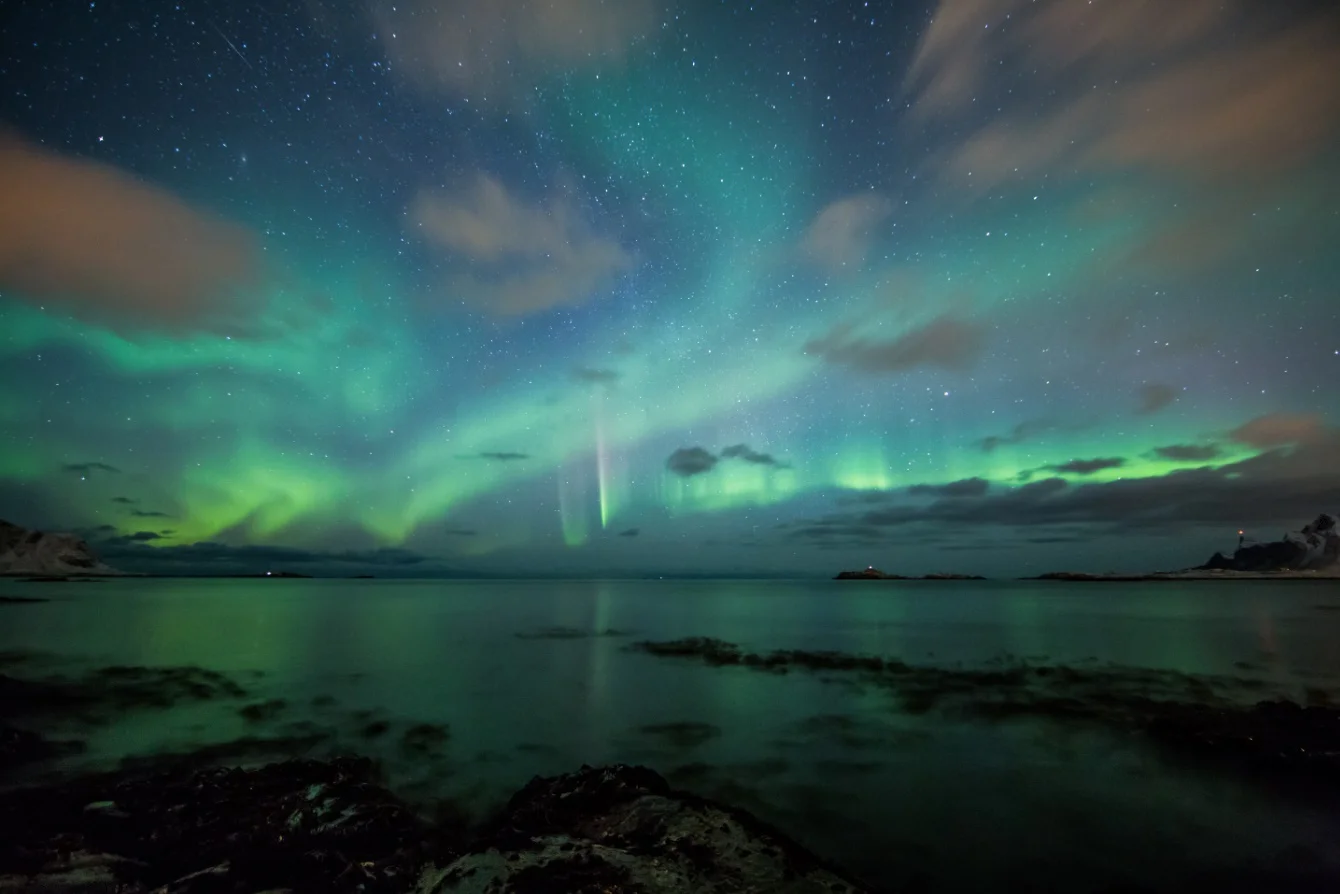
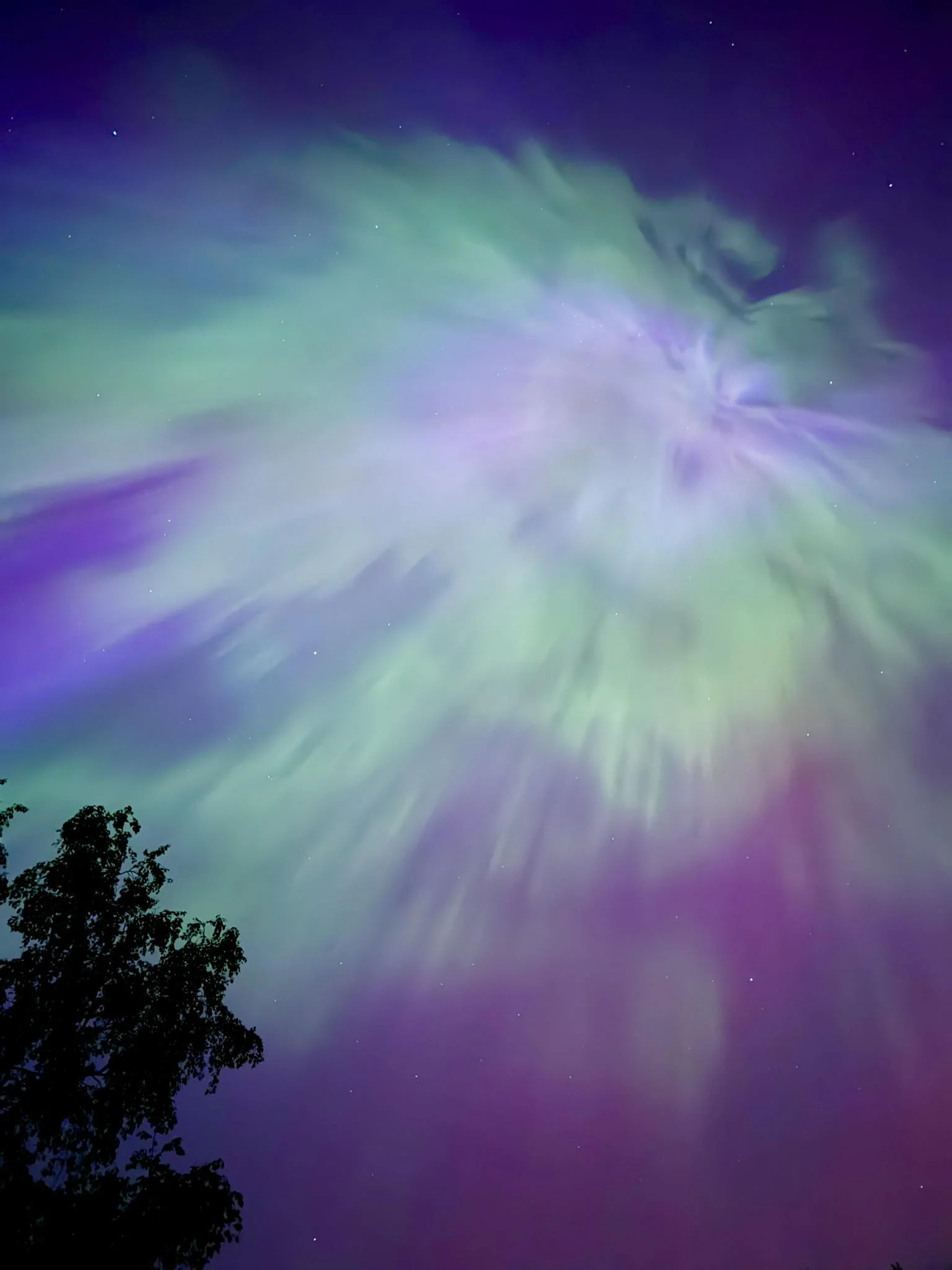
Here on Earth, brilliant spectacles occasionally illuminate our night skies.
The peak of January 19, 2026’s auroral display was brief, and visible in spectacular fashion only for the short period of t...
Here on Earth, brilliant spectacles occasionally illuminate our night skies.
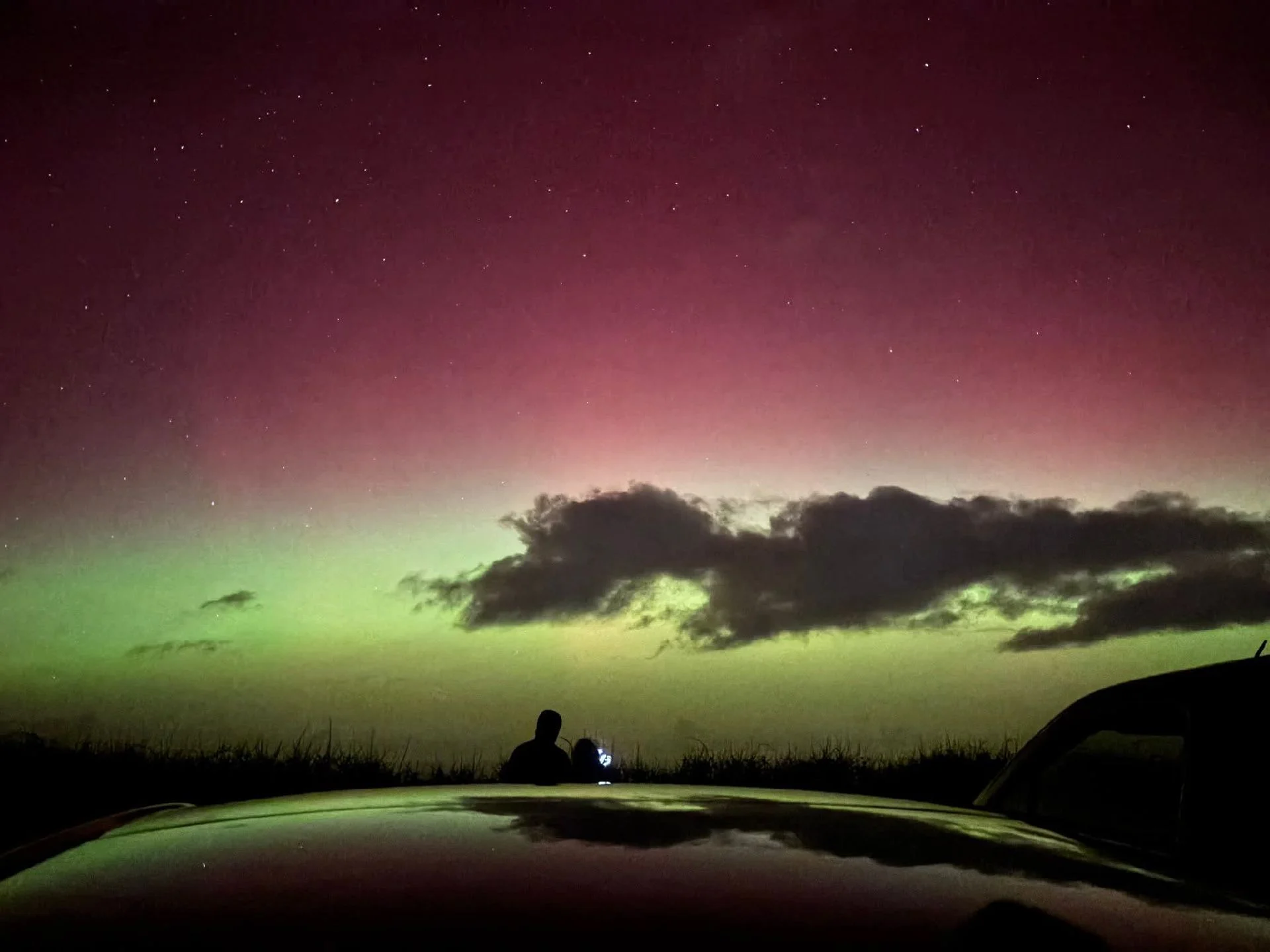
The peak of January 19, 2026’s auroral display was brief, and visible in spectacular fashion only for the short period of time where the Earth’s and Sun’s relevant magnetic fields were anti-aligned during the intense solar radiation storm that sent charged particles rapidly from the Sun to Earth. The resulting photograph, from northern Scotland, is one of the best views of this brief light show.
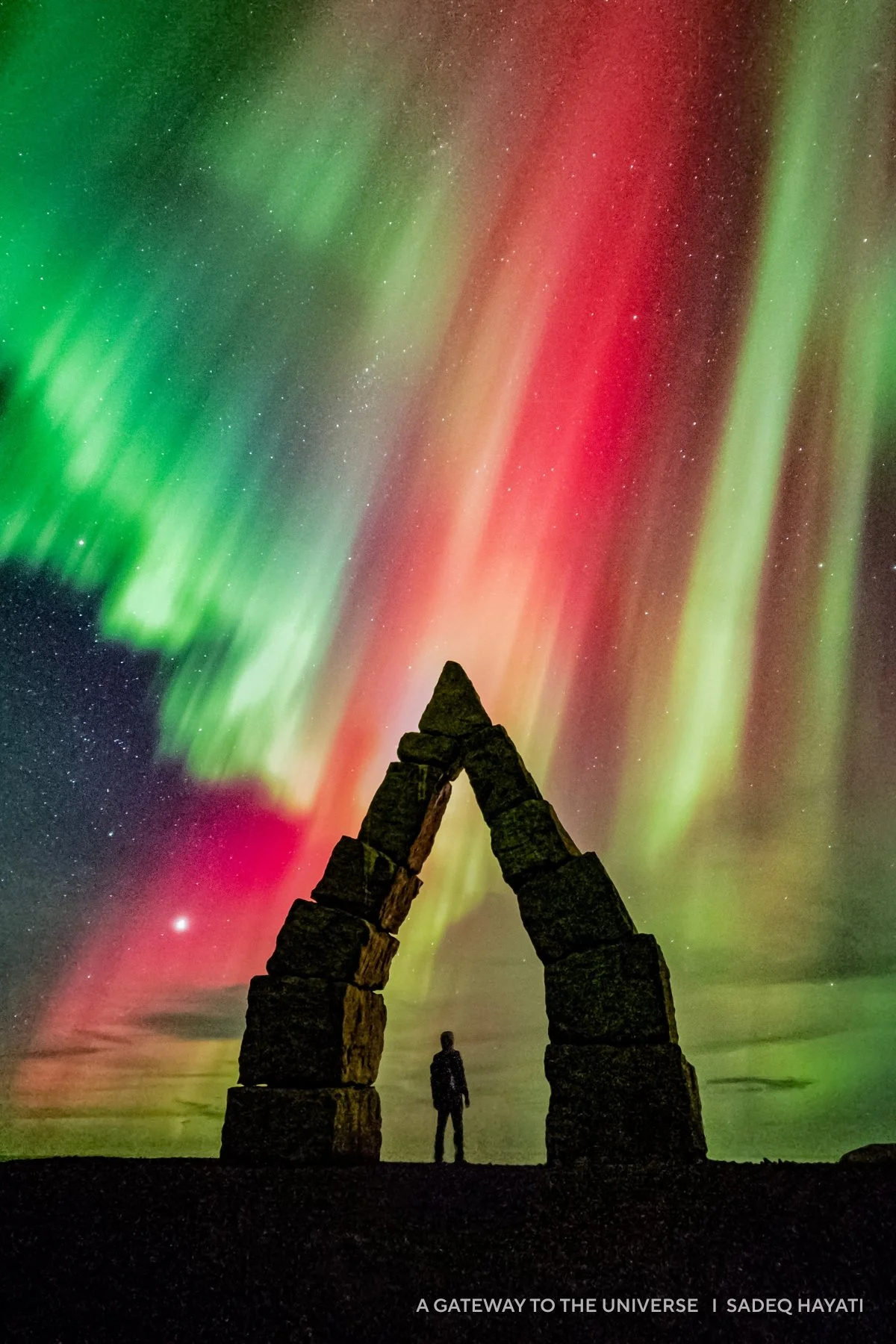
During a trip to Iceland, mobile astrophotographer Sadeq Hayati captured this 1st-place-winning photo of a multicolored, dancing aurora with a large rock formation (and a human beneath it) silhouetted in front of the night sky.
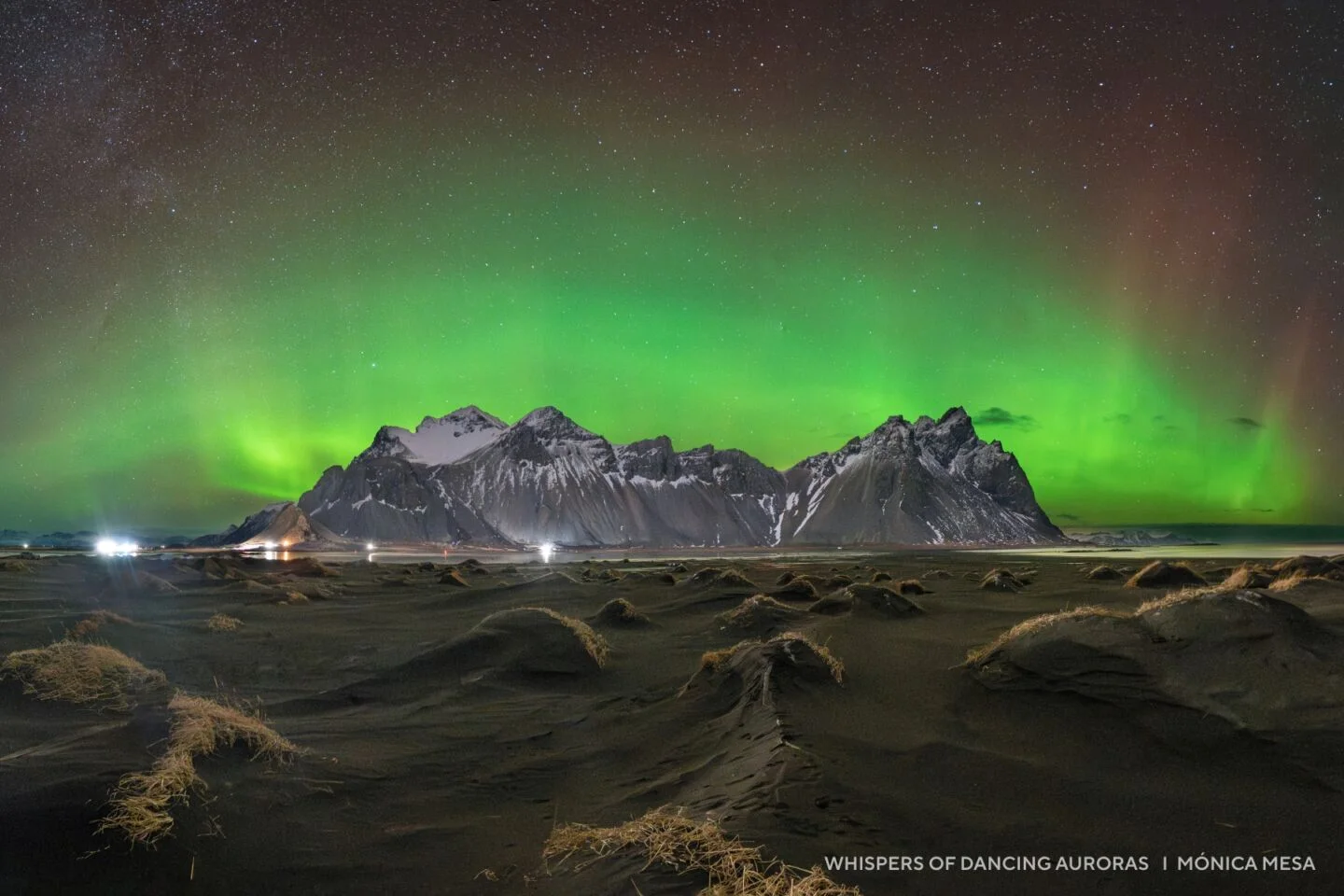
One of several award-winning photos involving aurorae in a 2025 photo contest, this photograph, titled “Whispers of the Dancing Auroras,” was taken in Iceland and won 2nd place in the “Capture the Dark” category. The sky and the foreground were captured with different length exposures and different camera settings.
When a coronal mass ejection appears to extend in all directions relatively equally from our perspective, a phenomenon known as an annular or “halo” CME, that’s an indication that the energetic particles emitted by the Sun are likely headed right for our planet. If the ejection were directed away from us, we would see it emerge from one limb of the Sun instead. These halo CME events lead to the most spectacular auroral display spikes, but also endanger our electrical infrastructure tremendously.
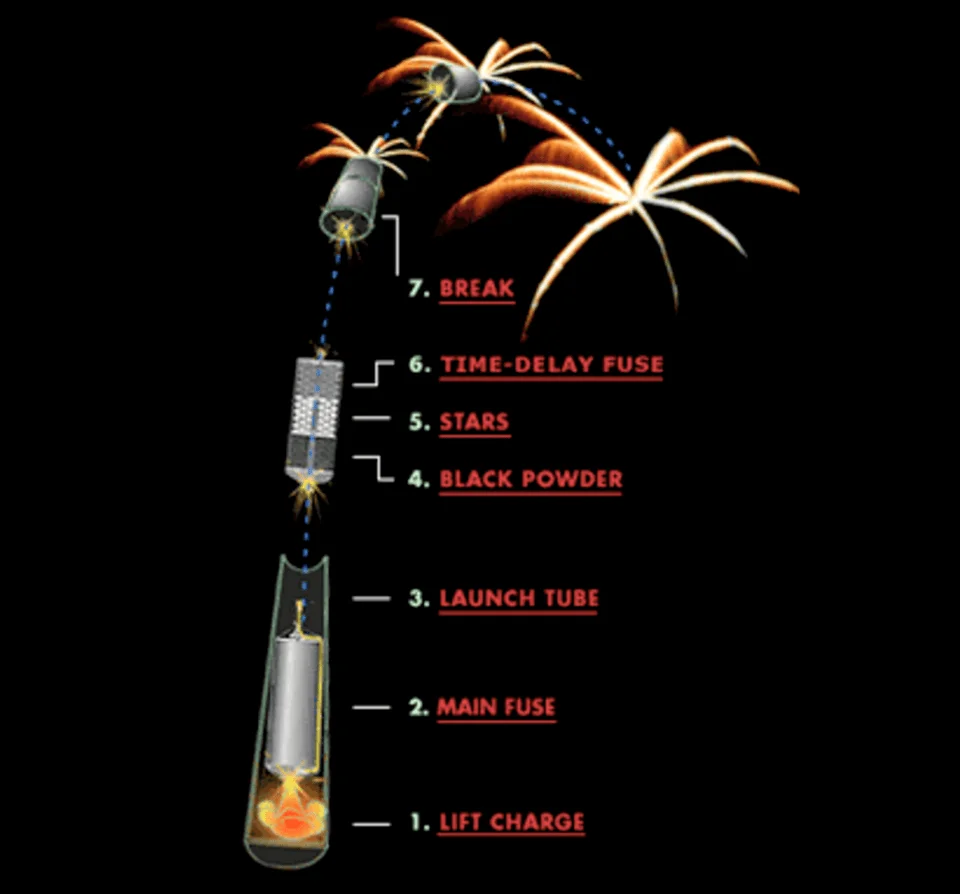
The anatomy of a firework consists of a large variety of elements and stages. However, the same four basic elements are the same across all types and styles of fireworks: the lift charge, the main fuse, a burst charge, and stars. Variations in the diameter of the launch tube, the length of the time-delay fuse, and the height of the fireworks are all necessary to ignite the stars with the proper conditions during the break.
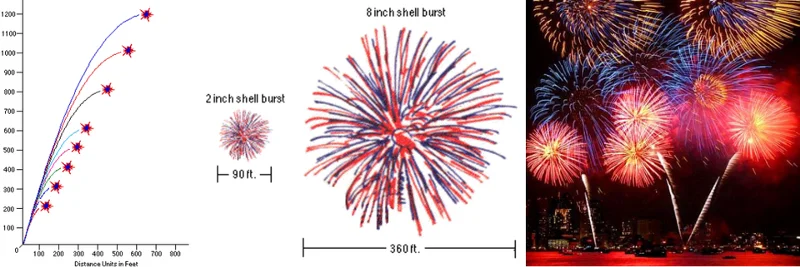
Different diameter shells can produce different sized bursts, which require being launched to progressively higher altitudes for safety and visibility reasons. In general, larger fireworks must be launched to higher altitudes, and therefore require larger lift charges and longer fuse times to get there. The largest fireworks shells exceed even the most grandiose of the illustrations in this diagram.
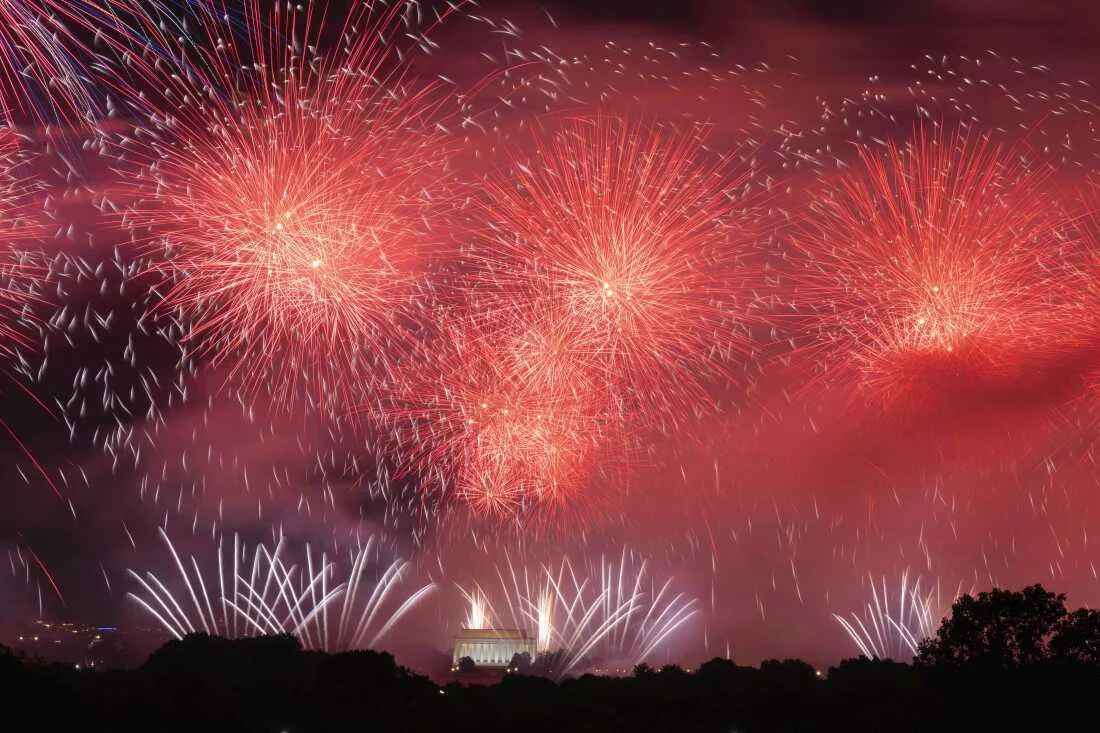
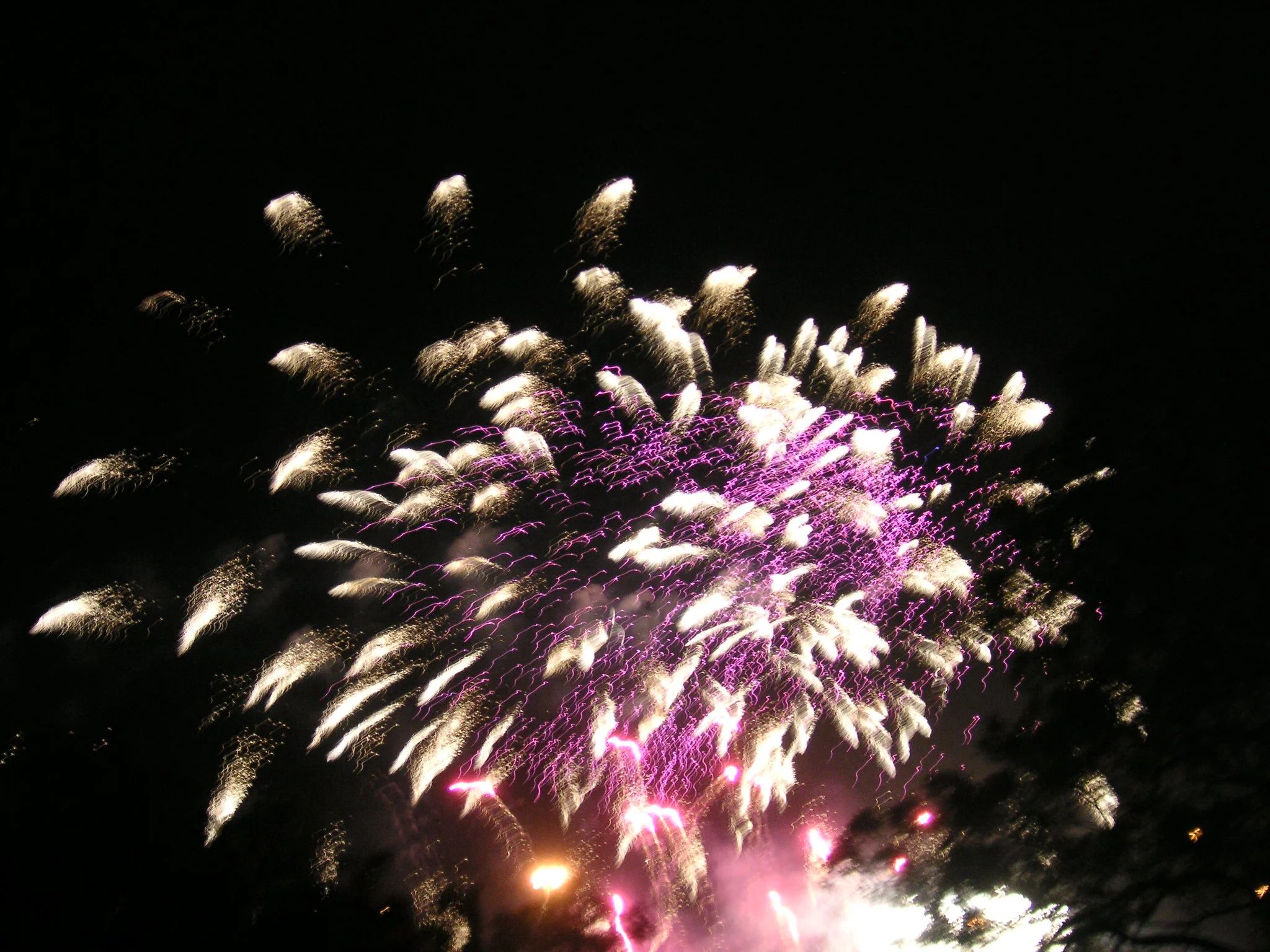
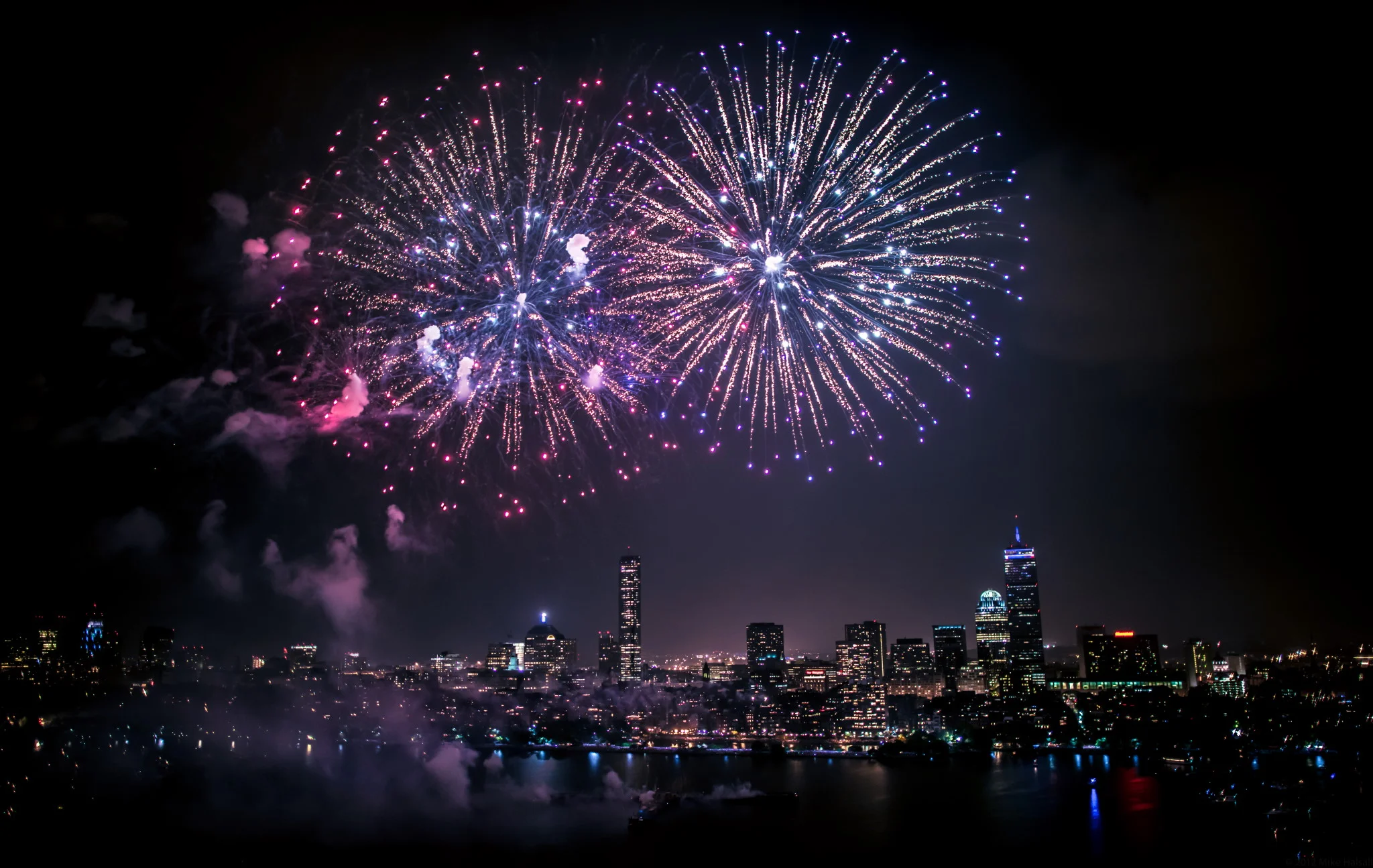
This smoke-and-firework filled sky represents a snapshot of one instant during the approximately hour-long fireworks display occurring across the Washington DC area during the July 4th, 2026 festivities, with the photo technically being snapped after midnight: on July 5th. This particular photo was taken from Arlington, Virginia.
Differently shaped patterns and flight paths are highly dependent on the configuration and compositions of the stars inside the fireworks themselves. This final stage is what produces the light and color of fireworks, and is where the most important quantum physics comes into play. A typical large-scale firework contains about 200g of gunpowder: enough to release approximately 600,000 joules of energy in total.
All across the world, fireworks displays mark a variety of holidays and celebrations, with many of the most spectacular displays occurring annually on July 4th in the United States. Although the largest and most spectacular shows are put on in major cities across the country and world depending on the date and event, in the United States at least, individual residents and private shows correspond to the overall majority of fireworks detonated on July 4th.
Country-wide, 450 trillion J of energy are released over about 4 hours: averaging 2 billion watts of power.
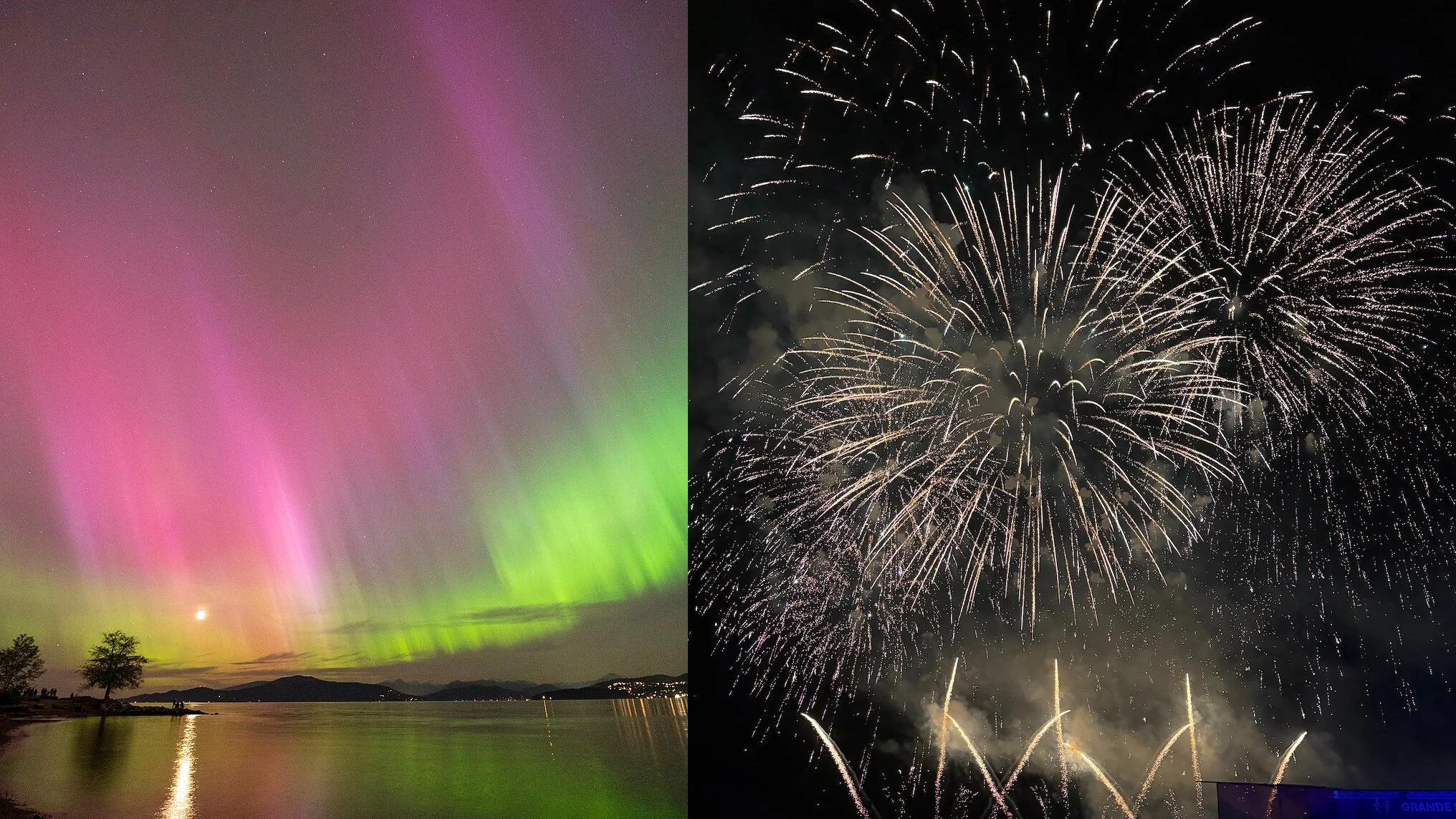
Although each individual firework explosion, powered by gunpowder, releases a substantial amount of energy on local, terrestrial scales, and there are many hundreds of millions of fireworks detonated over the span of just a few hours every July 4th in the USA and every New Year’s around the world, at no point does the power output of fireworks explosions rival even the quietest and most mundane of auroral displays.
Credit: Travel Photographer/Negative Space, public domain
This timelapse view of the aurorae on Earth, at night, as the International Space Station flies over the Earth, shows our sister planet, Venus, rising over the horizon. This animation was composed by ESA astronaut Tim Peake, and shows a relatively quiet, typical level of Earth’s auroral activity. Caused by charged particles from the Sun striking Earth’s atmosphere, getting funneled by our own magnetic field down onto circles surrounding the poles, they lead to spectacular terrestrial shows.
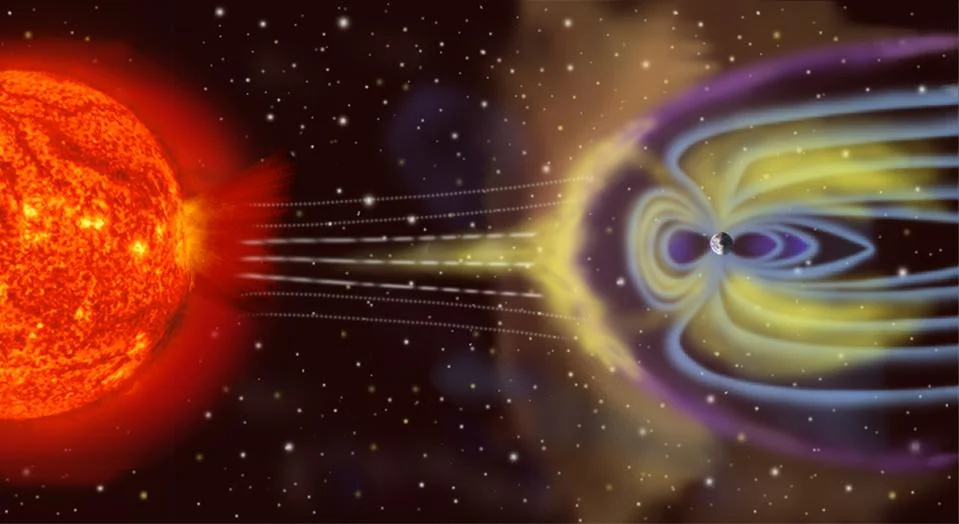
When charged particles are sent toward Earth from the sun, they are bent by Earth’s magnetic field. However, rather than being diverted away, some of those particles are funneled down along Earth’s poles, where they can collide with the atmosphere and create aurorae. The largest events are driven by CMEs on the Sun, but will only cause spectacular displays on Earth if the ejected particles from the sun have the correct component of their magnetic field anti-aligned with Earth’s magnetic field.
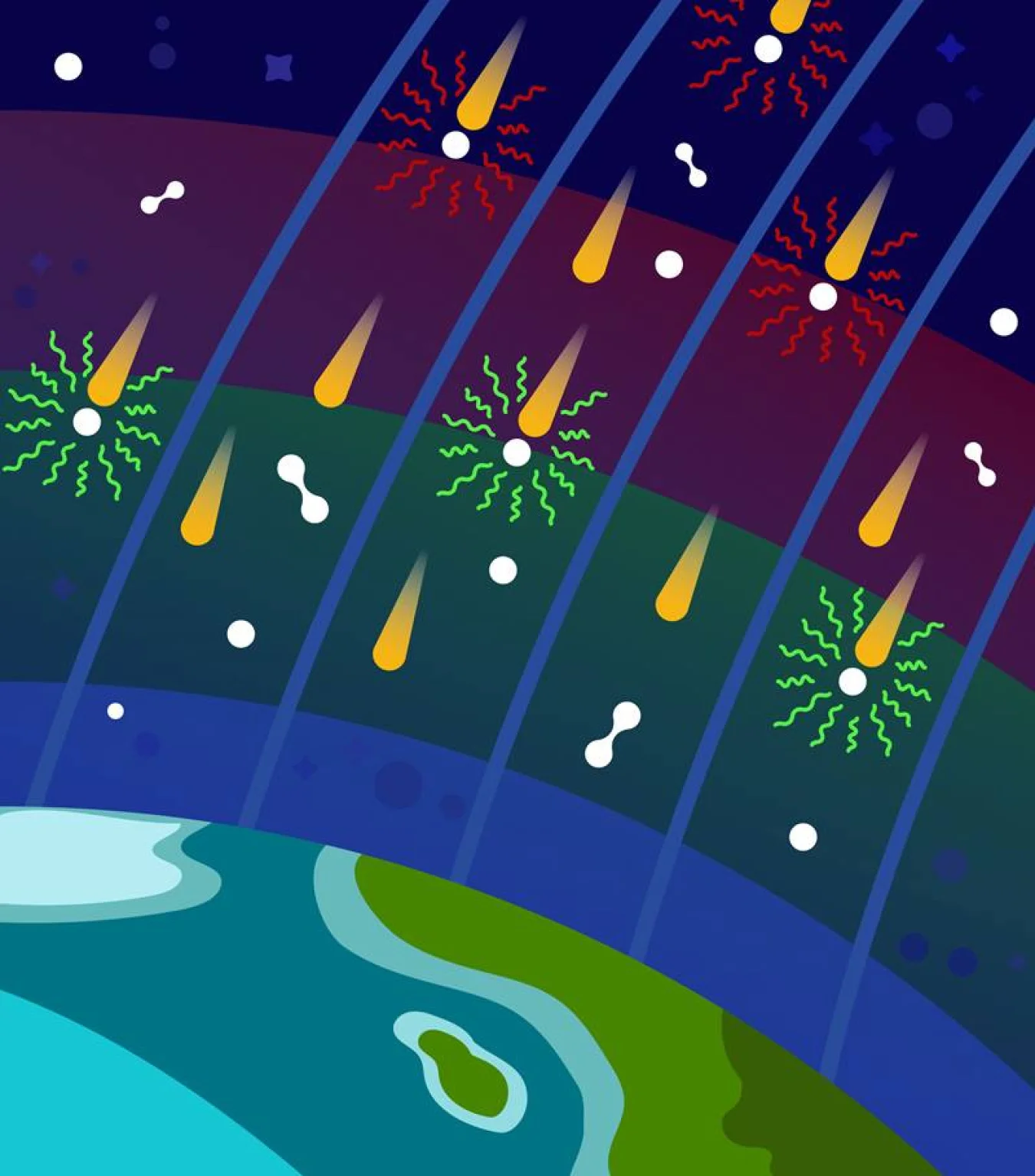
After streaming away from the Sun, electrons driven by the Sun’s magnetic field wind up encountering Earth’s magnetic field. After being accelerated by the phenomenon of Alfvén waves, electrons collide with atmospheric particles like atomic and molecular oxygen, nitrogen, and more: causing the emission of light and the creation of the aurorae.
Credit: Austin Montelius/College of Liberal Arts and Sciences/University of Iowa
During quiet periods, “only” 10 billion watts of power are continuously produced.
When energetic charged particles from the sun interact with the Earth, the Earth’s magnetic field tends to funnel those particles down around Earth’s poles. The interactions between those solar particles and the upper atmosphere typically result in an auroral display, but typically, the auroral displays are small, low in brightness, and localized into two modest rings surrounding each of Earth’s magnetic poles, representing “only” about 10-100 billion watts of total energy.
The auroral displays in the northern and southern hemisphere, also known as the Northern Lights (aurora borealis) or the Southern Lights (aurora australis), occur when charged particles from the Sun strike Earth’s atmosphere. The intense auroral activity of May 10-11, 2024, was the brightest and most widespread auroral display on Earth since 2003. While during typical times, the energy involved in producing the aurora is below 100 billion watts, spikes like this one can temporarily increase the energy by more than an order of magnitude.
As shown here, the International Space Station flies over a spectacular aurora on display in Earth’s atmosphere. While only the portion of the aurora that’s close to directly overhead can be seen from an observer on Earth, someone who rises above the Earth’s atmosphere and enters low-Earth orbit can see much more expansive auroral sights than anyone bound to Earth’s surface can ever take in.
Credit: NASA/International Space Station
Mostly Mute Monday tells an astronomical story in images, visuals, and no more than 200 words.