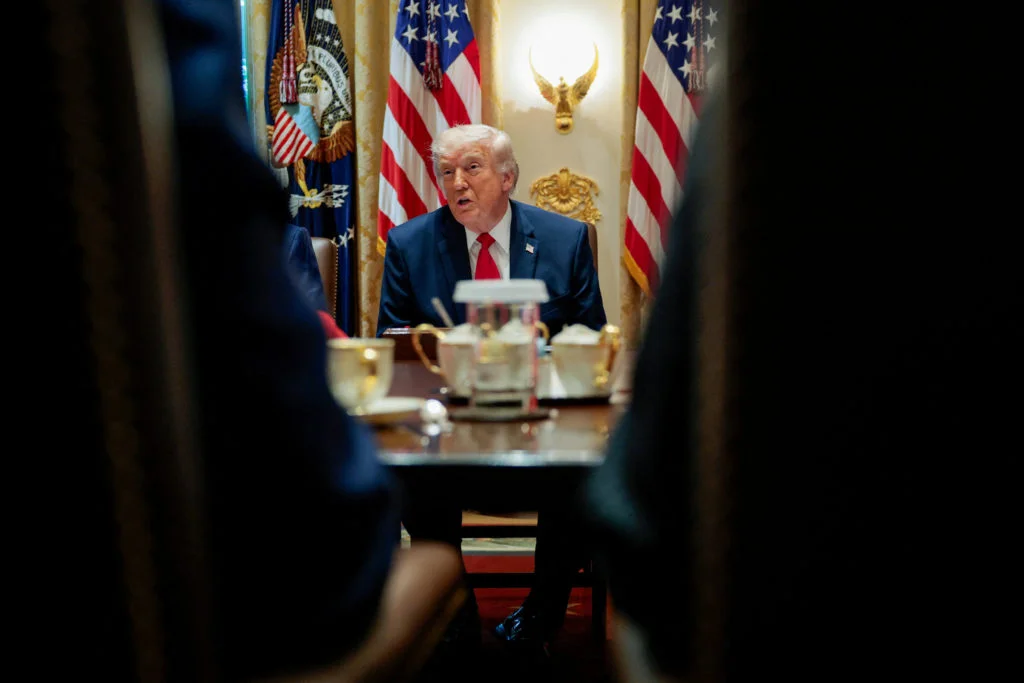
Donald Trump's influence on the Republican Party continues to reshape its roster, with notable figures being unseated in primary elections this year. The recent defeat of Texas Senator John Cornyn serves as a stark reminder of Trump's enduring power within the party, signaling a profound shift in voter sentiment and party allegiance.
Trump's Endorsements: A Double-Edged Sword
In a pivotal primary contest, Cornyn lost to Texas Attorney General Ken Paxton by a staggering 27 points. This was particularly shocking for a long-serving senator whose tenure spanned 24 years. While many in the Republican establishment favored Cornyn as a reliable choice for the upcoming election season, Trump's endorsement of Paxton turned the tides. Just a week before the primary, Paxton’s campaign received a significant boost from Trump, illustrating how endorsements can swing voter perception dramatically. Cornyn, once considered a bastion of conservatism, saw his support plummet from over 900,000 votes in March to only about 500,000 by the time of the runoff.
This latest election demonstrates that incumbents are no longer guaranteed safety in their seats. The emotional backlash against Cornyn reveals a deeper rift within the party. His loss adds him to the growing list of Republican politicians who have fallen out of favor with Trump-aligned voters this year.
The Ripple Effect of Trump’s Endorsements
In 2026 alone, Trump has successfully ousted several high-profile Republicans who have crossed him:
- Indiana State Senators: Five GOP state senators faced defeat after backing a redistricting plan that was contrary to Trump's vision.
- Rep. Thomas Massie (Kentucky): The libertarian congressman, who has frequently clashed with Trump, lost his seat to a candidate favored by the former president.
- Brad Raffensperger (Georgia): The Secretary of State, known for his refusal to "find votes" for Trump in 2020, lost his gubernatorial race after being targeted by Trump's camp.
- Sen. Bill Cassidy (Louisiana): Cassidy, a vocal critic of Trump during his impeachment, also lost out in his primary race.
These results stem from a fundamental fear within the Republican party: defying Trump can lead to political obliteration. As the primaries unfold, this campaign strategy has made clear that loyalty to Trump can be the deciding factor between political survival and elimination.
Understanding the Shift in Voter Sentiment
Runoff elections displaying such lopsided results as Cornyn's raise critical questions about voter loyalty and ideology within the party. Republican voters appear to be prioritizing loyalty to Trump over traditional party lines. While many Republicans in Washington maintain that Cornyn was the safer choice, his removal highlights a growing desire for candidates who represent Trump’s brand of politics.
The recent shift complicates strategies for candidates heading into the general elections. As states like Indiana and Georgia have shown, even incumbents with substantial track records can face dire fates when they stray from Trump's playbook. Political analysts are now scrutinizing the data around primary elections not only to gauge voter sentiment but to forecast which incumbents might be next on the chopping block.
The Bigger Picture
While Trump's primary wins suggest a consolidation of power in the GOP, they also expose vulnerabilities within the party. His endorsement machine has worked wonders, but it's not infallible. A couple of candidates this year have successfully fended off Trump-backed challengers, though those instances are scarce. In Indiana, for example, two state senators managed to win their primaries despite facing Trump-backed challengers, indicating that his appeal is not uniformly effective across all districts.
This duality prompts a broader conversation within the Republican Party. Will they continue to lean into Trump's assertive style, or will a backlash emerge from within as more establishment-minded candidates seek a return to a more traditional conservative approach? The implications for the 2026 elections are significant, and strategists will need to reconsider their tactics if they hope to maintain their foothold in an evolving political landscape.
For industry professionals tracking these developments, understanding the shifting dynamics within the Republican Party is crucial to forecasting political trends. The nuance in voter sentiment reveals not just a struggle for power but an emerging identity crisis for the GOP itself.