live
Live updates: How has AI and tech changed your life? Have your say in our blog


Technology is creeping into every facet of our lives. Whether it is for better or for worse is in the eye of the beholder, but it is certainly here to stay.
Australians are grappling with the prospect of AI replacing jobs, breaching privacy, and creating misinformation and digital exclusion, while also developing technology designed to make everyday tasks easier.
We want to hear your stories and experiences in our live blog below, where you can also pose your questions to Curtin University cybersecurity expert Mihai Lazarescu and the ABC's AI reporter Cam Wilson.
Submit a comment or question
Live updates
New: Filters
Choose what information you see below by using filters
How do the political parties differ on AI policies?

How do the political parties differ on AI policies? I’m keen to vote for the most restrictive, least AI friendly party.
- Full Luddite
ABC's AI reporter Cam Wilson has jumped in to answer this one...
Heya, cheers for the question! We haven't gotten a lot of separation between the major political parties at a federal level just yet.
As made clear in the PM's big AI speech last month, the Albanese government wants major investment from the big AI and tech companies to bring the benefits of the buzzy technology here. It's working on a set of "Australian standards" that establish requirements for data centre approvals around water, energy, jobs and the like.
The Coalition hasn't announced an official AI policy but it's walking a similar line: seeking the productivity benefits of AI and investment, while wanting some regulation to curb risk. Same, too, with One Nation according to Pauline Hanson's National Press Club address where she said that the party wanted to "encourage AI adoption and its economic benefits while imposing enforceable safeguards".
The major outlier is the Greens who are calling to halt building data centres until federal regulations are worked out. It also gets a bit more interesting at a state and local level, too, where we're seeing more anti-AI and anti-data centre positions being taken ahead of council and state elections later this year.
Coles and Woolworths test facial recognition technology
Many of you would have noticed cameras becoming more prevalent in supermarkets and retail stores, including over self-serve checkouts.
Last week, the ABC reported Coles and Woolworths have conducted tests of facial recognition technology.
But it's still unclear whether either supermarket will be implementing the tech in stores.

A Coles spokesperson told the ABC no decision had been made on rolling out facial recognition tech in its stores, while Woolworths did not address our questions about whether it would use the tech in Australia.
Earlier this year, Bunnings won a legal battle to monitor its customers with AI.
Advocates for the technology, including the Australian Retail Council, say facial recognition technology can help keep workers safe as it helps retailers identify known high-harm repeat offenders.
What do you think? Let us know in the comments above.
How do we make sure AI doesn't exclude people from the workforce?
Given how many people, especially young people, are struggling to even get jobs whilst still studying at school or tertiary, how do we ensure people aren’t excluded from entering the workforce with increased tech and AI?
- Kath
Thanks for the question Kath. Associate Professor Lazarescu has answered it below.
AI and tech are still unfamiliar to a large section of the population and the impact is vastly different from what is being reported. There is the AI and tech "propaganda" and then there is reality.
At present, the trend is to say that AI and tech will replace humans in the workplace. Yes, it will replace the repetitive jobs that require no proper understanding of context. However, there will be more jobs created to watch over AI and tech because, in simple terms, it has not reached a level that can replace human creativity and innovation.
I have worked with several AI agents and it took more time to "train" them than to do the task myself. In addition, AI is very, very expensive and the models that organisations are playing with are heavily discounted to attract interest. At present I cannot see how it will replace actual people en masse.
Also, AI and tech will open up massive job opportunities in cybersecurity. The AI agents need access to confidential data and resources and this makes security an even bigger challenge, which will need skilled people, not AI agents, to manage.
Regional communities at risk of being left behind
We've asked you in the poll above whether you're worried about digital exclusion, which refers to when some parts of the community do not have access or the know-how to keep up with the latest technology.
It may be particularly common among older people or those who live in regional and remote parts of Australia.
Jess Tresidder is an AI consultant and educator based in Mount Gambier, in regional SA, who knows all too well how easily some people can get left behind.

"It's really important to include these communities because otherwise the AI gap that we have already have will grow wider," she told the ABC.
"When new technology arrives, regional towns and marginalised communities are often the last to get access, the last to get trained, but often sometimes the first to feel this disruption."
Jess is also hopeful the SA government's royal commission into AI will hear from broader cross-sections of the community, rather than "just becoming a conversation between government, technology and policy".
"Some of the most important perspectives will come from business owners, workers, teachers, students, communities who are going to experience these changes firsthand," she said.
Key Event
Is AI impacting our ability to think?
Maya from regional NSW has contacted the ABC through our Your Say campaign, sharing her concerns about AI's impact "on our ability to think — mostly on the younger generations".
There also exists a difference in the use of AI (at least from what I've seen) in how young people vs older people use it. I'm most concerned about how the youngest kids, under 10, or in early high school, are going to be affected by this. But however, the older generations, (older than me) don't seem to find any issues with AI, and don't seem to notice their own growing over-reliance on AI for tasks a normal google search would be fine for, or even thinking for themselves!
Do you think AI is changing the way we think? Let us know in the comments above.
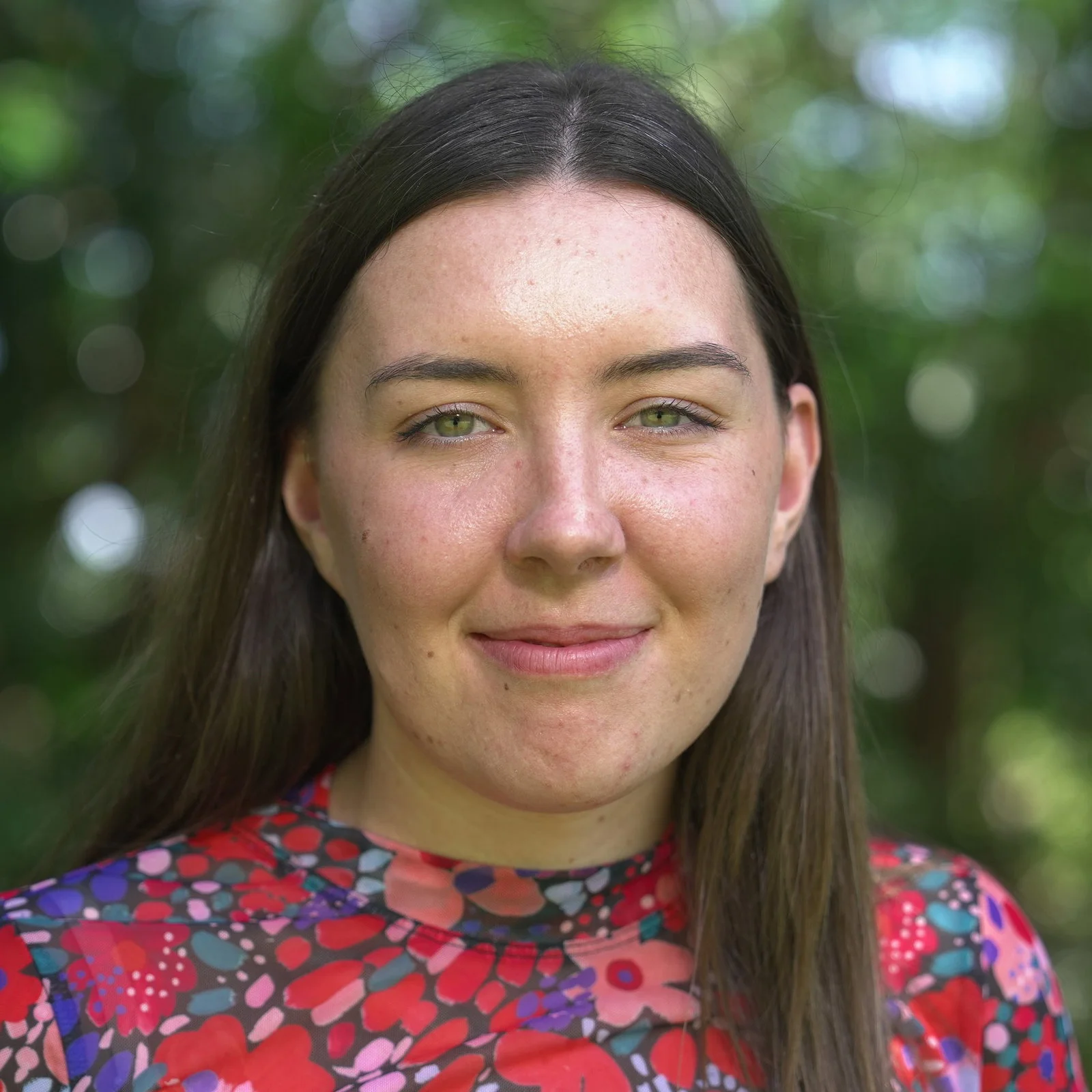
Introducing AI reporter Cam Wilson 👋
Cam Wilson is the ABC's national AI reporter, based in the Specialist Reporting Team in Sydney.
He's joining us today to answer some of your questions.
Fire away! ⌨️🖱️

Key Event
Submit your questions to our guest expert
Meet Mihai Lazarescu, who has worked in cybersecurity for more than 16 years.
Mihai is an associate professor in AI and cybersecurity at Curtin University, as well as the head of its Department of Computing.

He has published more than 65 peer-reviewed papers in international conferences and journals and has a wealth of knowledge on all of the topics we'll cover today.
Recently, he helped the ABC unpack the impact of the Origin Energy data leak and provided some advice about how to stay safe online.
You can submit your questions to Associate Professor Lazarescu in the field above and we'll get him to answer as many as possible in the next hour or so.
Welcome
Do you feel like tech is taking hold of your life? Or maybe you feel like it's running ahead of you and leaving you in the dust?
We're opening up a virtual Q&A today to talk about the rising influence of AI and tech in our everyday lives.
Whether you're concerned about data breaches, deepfakes or social media, or have a story to share about how technology has changed your life for the better, we want to hear from you.
For the next couple of hours, we have Professor Mihai Lazarescu, a cybersecurity and AI expert from Curtin University, along with the ABC's national AI reporter Cam Wilson to answer your questions, which you can submit in the field above.
Loading