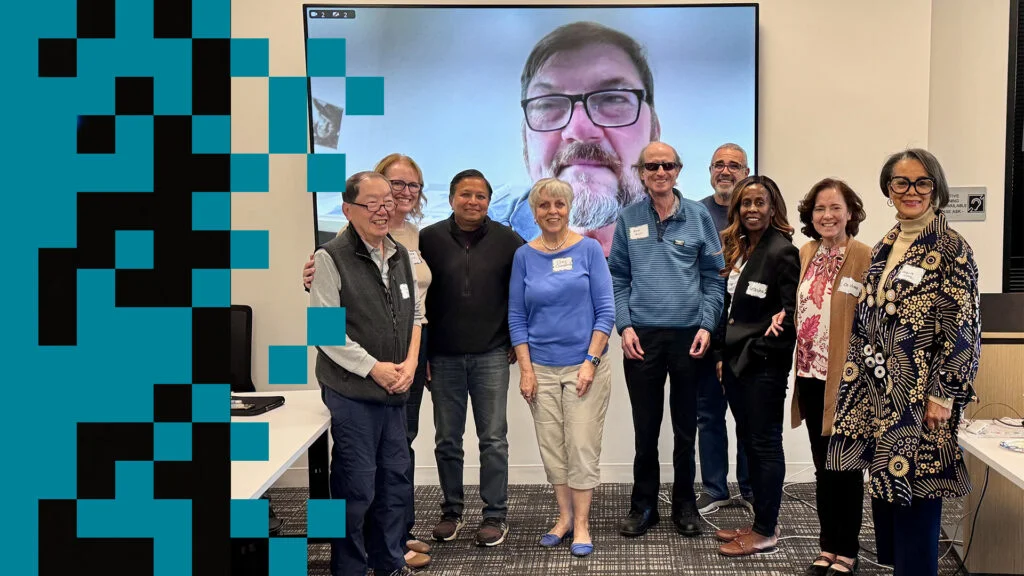
In this edition of AI Prognosis, Brittany Trang examines the perspectives of patients regarding Stanford Health Care's adoption of AI technologies, along with additional updates on health AI developments.
AI’s Increasing Role in the Job Market
As artificial intelligence increasingly permeates various sectors, its influence on the job market and workplace dynamics has reached an undeniable tipping point. From recruitment processes that rely on AI algorithms to assist in selecting candidates, to automated platforms that engage with potential hires, the presence of technology in hiring is more prevalent than ever. Yet, this shift is met with a noticeable pushback, especially among college graduates who are entering the workforce with a cautious outlook.
This growing discontent is particularly highlighted in a recent article by Defector titled “Wow! America’s Graduating Seniors Really F—ing Hate AI!” Graduates are expressing a tangible skepticism toward AI technologies, as they've been compelled to engage with these tools during their job searches and internships. What’s significant here is the contrast between the technocratic vision promised by industry leaders and the lived experience of new entrants into the workforce.
The Disconnect Between Promise and Reality
Graduates often find themselves at odds with the reality of AI’s capabilities. While tech leaders tout the efficiency and productivity gains that AI can bring, many young professionals argue that the reality often falls short of these promises. These criticisms aren't just casual complaints; they signal a deeper tension within the workforce regarding the nature of creativity, intuition, and the very essence of work.
Many graduates articulate a feeling of disconnection between AI’s advanced technological capabilities and what they consider the irreplaceable qualities of human talent. For example, creative roles that rely on empathy, human connection, and instinctive decision-making are particularly threatened by these advancements. Graduates are beginning to view AI as a competitor rather than a collaborator, questioning whether the technology genuinely enhances their professional contributions or diminishes their unique potential.
This trend reflects broader societal concerns about the role of technology in our lives. While there’s no denying the efficiency that AI can introduce into various processes, the sentiment from these graduates underscores a fundamental fear that technological advancement is moving too quickly without consideration of the human element.
Resistance from a New Generation of Workers
The backlash from increasingly vocal younger workers is becoming clearer. Those just entering the job market tend to prioritize job satisfaction and a sense of purpose over traditional markers of success, such as salary or company prestige. This shift in values indicates a fundamental change in how the new workforce perceives their roles within organizations that heavily incorporate AI technologies.
If you're working in this space, it’s vital to understand that this discontent isn't merely an emotional response; it can have tangible implications for workplace culture and productivity. Disengaged employees are unlikely to perform at their best, and if a significant portion of the workforce views AI as a threat rather than an advantage, organizations may face substantial retention and morale challenges.
The implications stretch beyond individual companies. If industries fail to address these sentiments, a broader societal push for a more human-centered approach to technology could gain momentum. That’s an outcome tech leaders need to consider seriously.
Implications for Organizations
The ramifications of this backlash are profound. As organizations evaluate their strategic goals, understanding the sentiments of this new workforce can inform decisions regarding technology integration. Industry leaders must recognize that failing to engage with these concerns may result in resistance from not just employees, but from the wider society, which is becoming increasingly attuned to the ethical implications of AI technologies.
By acknowledging these perspectives and fostering an open dialogue about AI’s role in the workplace, companies can move toward a more collaborative environment. Initiatives such as training programs that include ethical AI discussions or mentorship opportunities that blend technology with human insight could bridge the gap between technological advancement and employee satisfaction. After all, it’s not just about implementing AI for efficiency’s sake but developing ways to enhance the human talent that drives creativity and connection.
Moreover, organizations should explore avenues for employees to become advocates for AI use, empowering them with knowledge that demonstrates AI's potential to augment their capabilities rather than replace them.
The Future Outlook
So, what does this mean for the future? There’s a clear need for a recalibration in how AI is positioned within workplaces. This demographic trend suggests that companies that prioritize a balanced approach—one that emphasizes human qualities alongside technological advancements—will be better positioned to succeed moving forward.
Organizations must embrace a culture of inclusion and transparency, ensuring that employees feel heard and valued in the conversations surrounding AI deployment. The younger workforce is increasingly demanding ethical considerations and human-centric policies, which means companies cannot afford to treat AI integration as a mere technical update.
Whether organizations rise to the occasion and enact thoughtful changes remains to be seen, but the message is clear: the future of work is being shaped by those who will inhabit it. This is more significant than it looks; if businesses ignore these emerging trends, they could face a workforce unwilling to fully engage in the technological transformations they’re pushing for.
Conclusion
In navigating this complex interplay of technology and human values, companies have an opportunity—not just to implement AI but to create a workforce that feels empowered by it. Rethinking how AI is introduced into the workplace could provide avenues for collaboration rather than confrontation. The outcome of these efforts will likely define whether AI becomes a synergistic partner or a source of contention in the evolving job market.
Continue to STAT+ to read the full story…