Finance
Nathan Lane and Laurie Metcalf Revive 'Death of a Salesman' on Broadway
2026-05-27 18:30
556 views
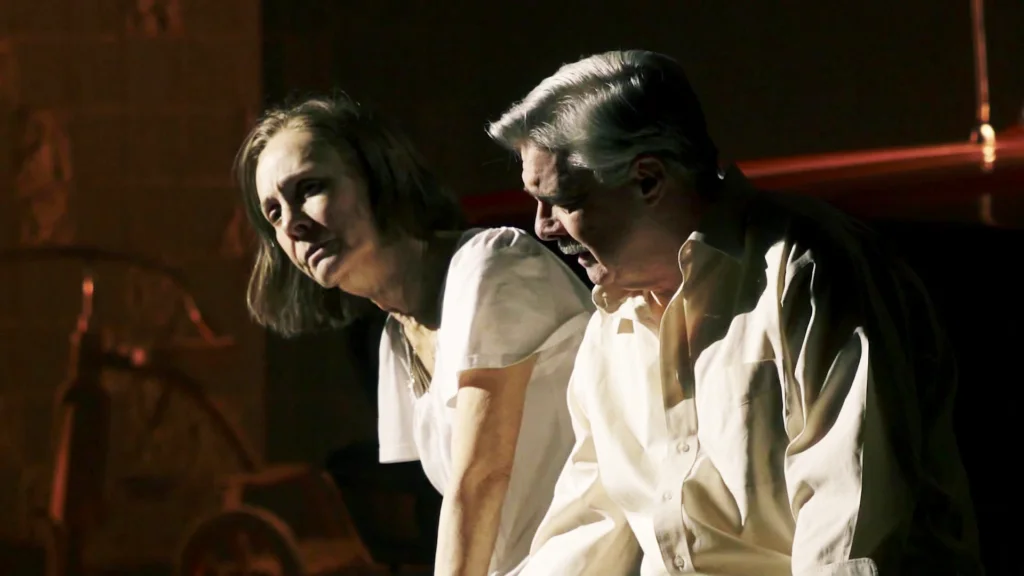
Actors Nathan Lane and Laurie Metcalf discuss their upcoming portrayal in the revival of Arthur Miller’s classic play, 'Death of a Salesman,' and the significance of its themes in today's context.
**The Return of a Classic: Why "Death of a Salesman" Matters Now More Than Ever**
Arthur Miller's "Death of a Salesman" explores the life of Willy Loman, an iconic figure whose relentless pursuit of the American Dream ultimately leads to his downfall. This play, which first graced the stage in 1949, remains eerily relevant today, reflecting ongoing societal and familial struggles. With its latest revival now on Broadway, the production underscores themes that resonate deeply within our contemporary landscape.
This particular revival stands out not only for its talented cast, including Nathan Lane as Willy Loman and Laurie Metcalf as his steadfast wife, Linda, but also for its bold reimagining. Senior arts correspondent Jeffrey Brown recently interviewed the pair, shedding light on their perspectives and the depth they bring to their roles.
You might wonder why this revival is more than just a nostalgic return to a beloved play. Its box office success and nine Tony Award nominations demonstrate a powerful spectral resonance with today's audiences. What Miller crafted decades ago still speaks to us — the universal pressures of success, the fragility of human dignity, and the complexities of family dynamics are issues that transcend time.
Nathan Lane, with his remarkable experience, brings a new dimension to Willy. He openly acknowledges that while Willy is flawed and often disappointing, he is fundamentally a fighter. “He’s not the most likable guy. He’s a mass of contradictions and insecurities. But he is fighting for his life,” Lane articulates passionately.
Laurie Metcalf has also made waves with her portrayal of Linda Loman, transforming the character into someone with boundaries rather than passive submission. Her take on Linda reveals the strength needed to support Willy while also asserting her own needs: “We were looking for her to be a partner to Willy, looking for someone who has boundaries... things that she won't put up with anymore.” This shift in perception showcases how the character's role as a wife is intertwined with the themes of sacrifice and empowerment.
The staging itself, shifting from a traditional domestic setting to an industrial warehouse, invites audiences to re-evaluate Willy's plight through a more abstract lens. This departure from the familiar home environment transforms the narrative into something that feels like a Greek tragedy, amplifying the emotional stakes and highlighting the absurdity of Willy’s dreams.
This production’s exploration of Willy’s character — a man drowning in the failures of his ambitions and the relentless expectations of American society — is particularly poignant in times of economic uncertainty and familial pressure. It’s a stark reminder that the quest for success often comes at a significant personal cost.
If you’re engaged in the theater scene or simply appreciate the intricacies of human stories, witnessing this revival can’t be underestimated. It’s a chance to reflect on not only the legacy of Miller's work but also on our current narratives and struggles. The choice to return to "Death of a Salesman" underscores a profound truth about storytelling: it’s a mirror reflecting who we are, who we aspire to be, and the uncomfortable realities we face. The conversation initiated by Lane, Metcalf, and Brown is just beginning, and it’s well worth following.The discussion surrounding Arthur Miller's play, as articulated by the cast and director, underscores not just the play's relevance but its emotional heft in today's social landscape. The character of Willy Loman embodies a struggle that many feel resonates deeply with contemporary audiences—an ongoing fight against a capitalist system that seems increasingly indifferent to individual worth.
Nathan Lane's reflection on Willy as a victim of his times hints at a broader malaise. He draws a parallel between Willy's plight and the sentiments of men today who feel sidelined by progress, whether it be through automation or social changes like DEI initiatives. This sentiment—one of frustration and replaced value—continues to echo in our current societal dialogues. If you think about it, this connection isn't just a thematic flourish; it paints an urgent picture that reveals how these age-old narratives persist in modern life.
Laurie Metcalf brings an equally compelling perspective, admitting the emotional toll of bringing these characters to life on stage. The three-hour performance isn’t simply a display of artistry; it’s an emotional battlefield where the stakes feel palpably high for actors and viewers alike. Lane's assertion that "at 70 dreams can still come true" reinforces the transformative power of theater—not just for the audience, but for the performers as well. Each night, their raw emotion breathes new life into the narrative, creating an exchange that feels both immediate and timeless.
This isn't just about a performance; it hits on a much deeper chord regarding human resilience and vulnerability. While people cry in the audience, the actors, too, lay bare their souls, making it clear that the experience is one of mutual catharsis.
As we continue to contend with a world where ideals and realities often clash, Miller's creation stands as a stark reminder that personal battles against systemic forces are as relevant now as they were in 1949. **The stakes haven’t changed; they may only have evolved, challenging us to confront the ways we navigate our own aspirations against the seemingly indifferent machinery of society.**