Trump's Recent Immigration Policy Complicates Green Card Processes
2026-05-27 18:05
911 views
Following his latest immigration initiative, President Trump's policies have created uncertainty around the pathway to obtaining green cards, impacting many applicants and their plans for residency.
New Immigration Policy Creates Uncertainty for Green Card Applicants
The Trump administration's recent immigration policy has introduced a significant shift for those seeking green cards. By mandating that applicants leave the country to apply from their homeland, the administration has thrown a wrench into a process that many have relied on for years. This decision doesn't just complicate the application process; it raises a host of concerns for prospective immigrants.
Countless legal residents in the United States, including individuals married to citizens, professionals on work visas, and refugees, have been accustomed to obtaining their green cards while remaining in the country. Suddenly, they're faced with an ultimatum: reapply from overseas unless they fall under vague exceptions yet to be clarified. This abrupt change introduces uncertainty not only for individuals but also for their families and employers who rely on these workers.
Immigration attorney Flavia Santos Lloyd has witnessed the immediate fallout. "My phone's been ringing off the hook with clients anxious about what this means for them," she shared. Predictably, this policy shift is expected to slow down applications and deter some businesses from sponsoring green card seekers. Companies often invest significant resources in securing work visas and green cards for key employees. If they perceive a more complex and precarious application process, the effect could ripple through various industries—hiring may stall, roles may go unfilled, and talent might seek opportunities in other countries.
Lawyers and advocates perceive this move as a clear attempt to intimidate individuals from pursuing legal immigration avenues. Charles Kuck, another prominent immigration attorney, deemed it a "scare tactic," predicting legal challenges ahead. The reactions from both clients and immigration professionals signal a brewing crisis. It's not just the numbers; the emotional toll on families could be immense. Many individuals who have dedicated years to establishing lives in the United States are now left in limbo, grappling with uncertainties that could upend their futures. As many worry about the fate of their applications, the broader implications for U.S. immigration practices are becoming apparent.
Understanding the Implications
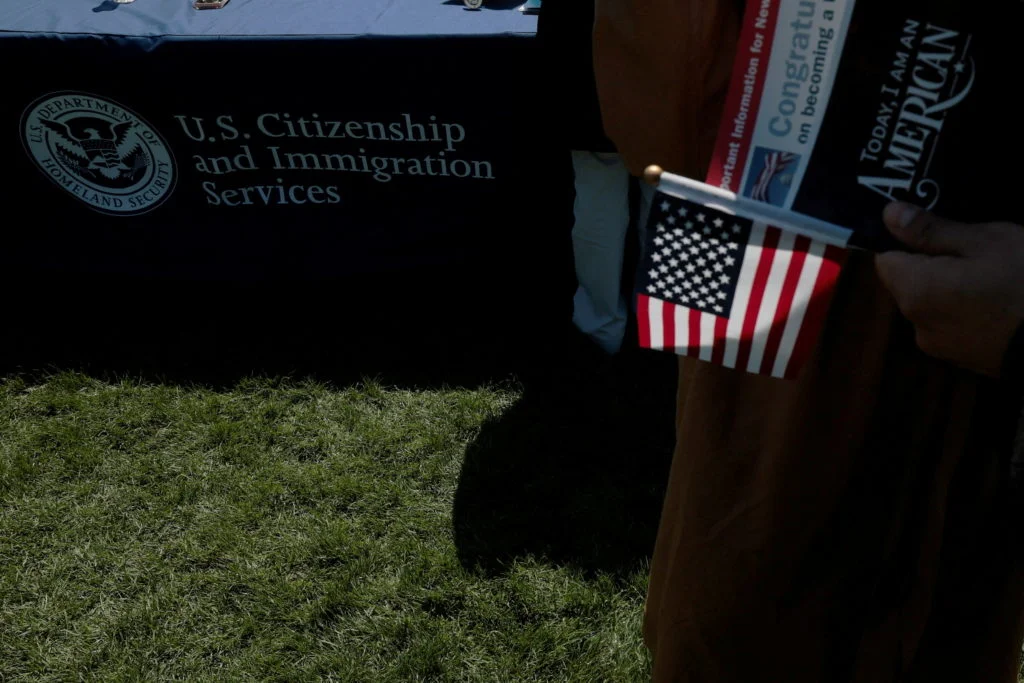
The U.S. Citizenship and Immigration Services (USCIS) unveiled this change without much clarity, leading to widespread confusion among both immigrants and legal experts. The agency's announcement stated that, moving forward, applicants would need to apply from their home countries, except in “extraordinary circumstances.” However, exactly what constitutes these circumstances remains unclear. This lack of clarity intensifies the anxiety felt by many, as similar systems typically demand distinct guidelines to minimize ambiguity and confusion.
Furthermore, as the American Immigration Lawyers Association points out, the recent influx of queries during green card interviews reflects a significant uptick in scrutiny. Applicants are being questioned more rigorously than ever before. If you're entrenched in this field, you're likely aware of how challenging it can be to navigate these changing conditions with no clear guidance. Such heightened scrutiny often leads to longer processing times, further exacerbating the existing backlog of applications. For many applicants, this means their dreams of permanence in the U.S. could face even longer delays.
There's a perilous thread that runs through this entire policy shift: it seems to particularly target individuals who may have overstayed their visas. While many could argue that visa overstays should be addressed, the broader approach may penalize applicants who've acted in good faith while waiting for their legal statuses to be resolved. It's unclear if those under employment-based visas, like H-1Bs, will be adversely affected, but early indications suggest they might find some respite. The nuanced impact of this policy on various categories of visa holders could lead to disparate outcomes, making it increasingly difficult for practitioners to offer sound advice to their clients.
Questions Linger Amidst Shifting Policies
As the policy unfolds, practitioners are left to sift through the details. Questions and doubts loom large. How will it affect those who came to the U.S. under humanitarian parole, or those who are married to U.S. citizens? While the administration insists the policy won't detrimentally impact "highly qualified applicants,” the juxtaposition of official statements with anecdotal evidence from law firms tells a conflicting story. To many, this discrepancy suggests an underlying inconsistency that could erode trust in the immigration system.
Ultimately, this new policy creates a complex environment where every applicant's situation is unique. As Lloyd cautions her clients, “It’s going to be a very case-by-case situation.” For those of us analyzing these shifts, the trickle-down effects on individuals and families will be profound. The individual stories—experienced, heartfelt, and personal—need to be foregrounded in the broader policy discourse. These narratives encompass hopes, aspirations, and fears. They highlight the significant emotional and social stakes at play in these policy shifts.
It's not just a change in policy; it represents a chilling reconfiguration of the immigration process that could redefine who gets to stay and who must leave. (And this is the part most people overlook.) Many families are being uprooted, forced to decide whether to remain in a land where they’ve built their lives or return to countries they may have fled for safety or opportunity. The full impact won't be known until applicants begin navigating this convoluted new reality. For now, the wait-and-see approach could prove to be the best course of action.
Future Outlook: What’s Next for Immigration?
As this policy takes shape, the short-term fallout will likely manifest in delayed applications and increased legal challenges. The immigration landscape is shifting rapidly. If you're working in this space, it's essential to stay ahead of these changes. Legal organizations are gearing up to challenge the policy, which could lead to protracted court battles over its constitutionality. Advocates are pushing back against what they perceive as an unjust punitive approach, arguing that the new requirements disproportionately affect marginalized communities.
Considering the historical context, this isn’t the first time U.S. immigration policy has shifted abruptly. Each shift carries with it a wave of uncertainty that often results in a temporary decline in applications as people weigh their options. The approach taken by the current administration could further isolate the U.S. from global talent pools, an outcome that would contradict the nation’s long-standing reputation as a land of opportunity.
The complexity of the immigration challenges right now suggests that individuals may need to be more resourceful than ever. Networking, community resources, and legal aid will be paramount for navigating the new hurdles. Any individual navigating this policy shift needs to be hyper-aware of their rights and potential avenues to explore. Staying informed could very well make the difference in securing a future in the U.S.
Ultimately, the fate of green card seekers hangs in the balance. The current policy shift is layered with implications that will reverberate far beyond just immigration offices.