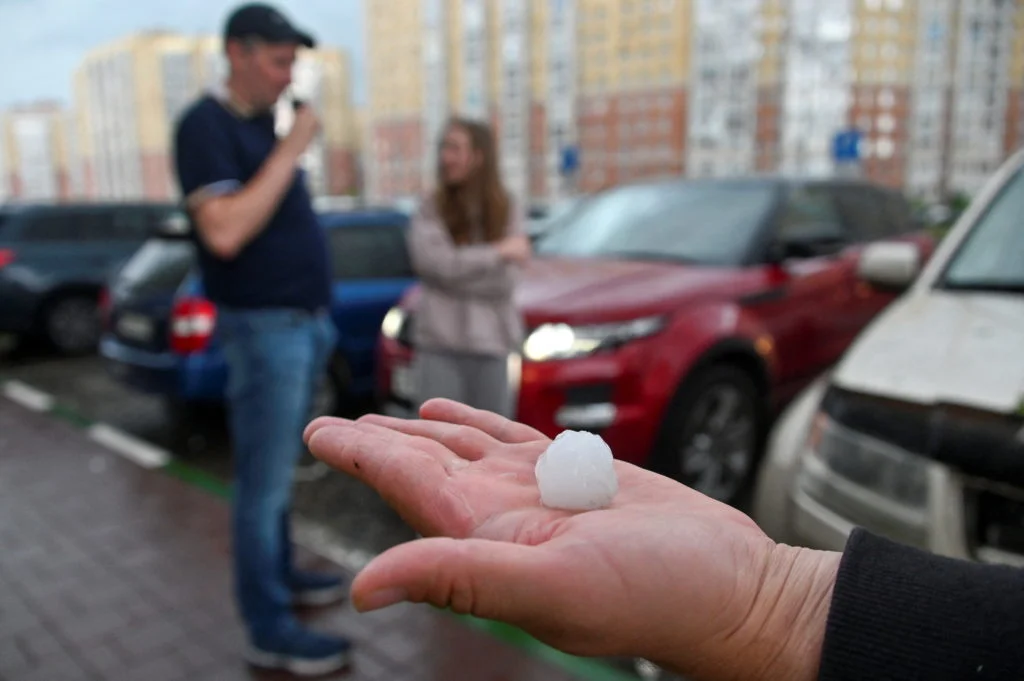
A recent study has raised alarms about the changing nature of hailstorms in our warming world. In short, as global temperatures continue to rise due to climate change, we can expect larger and more destructive hailstones. The implications of this shift are far-reaching, particularly for infrastructure and disaster management.
Growing Hail Stone Sizes
According to research published in the journal Nature, the frequency of hailstones exceeding the size of a large marble could rise by as much as 47% by the end of the century, depending on emission levels. This isn't just a minor nuisance; larger hailstones can inflict serious damage on homes, vehicles, and agricultural operations, resulting in financial losses estimated at about $10 billion annually in the U.S. alone, and around $80 billion worldwide.
Study co-author John Allen, a meteorology professor at Central Michigan University, emphasized the significance of these findings, noting that hail often causes more financial damage than tornadoes and is often underrepresented in building design standards. "We've seen record hailstones in recent years," Allen commented, highlighting an urgent need for improved resilience in structures given this increasingly volatile climate.
The Mechanics Behind Hail Formation
Understanding the mechanics of hail production is essential. As the atmosphere warms, it holds more water vapor—approximately 4% more per degree Fahrenheit. This added humidity boosts the available energy, which leads to stronger updrafts. Such conditions create thunderstorms capable of generating larger hailstones. Interestingly, the study notes that smaller hailstones may decrease in frequency by 4-8% because warmer air results in less cold aloft, leading these smaller stones to melt before reaching the ground.
Allen's simulations demonstrate a troubling trend: the prevalence of larger hailstones is expected to correlate directly with climate change, suggesting pronounced shifts in storm behavior globally.
Global Implications of Hail Changes
This isn't merely an issue facing the United States; the implications of more damaging hail are felt worldwide. Regions such as Argentina, Europe, Canada, and the Northern Plains of the U.S. are projected to experience the most significant increases in hail size. In contrast, areas in the tropics may face a decrease in hail size—but this doesn't mitigate the overall risk. “Hail is not just a U.S. problem,” Allen asserted. The reality is that as more people and infrastructure encroach into hail-prone areas, the financial stakes grow.
It's also worth considering how infrastructural decisions interact with this climate shift. Walker Ashley, a meteorology professor not involved in the study, pointed out that while climate change may drive larger hail production, the future impact on property damage will significantly depend on urban development and existing infrastructure. "As more solar farms and development arise in hail-susceptible areas, the risk of damage increases," he explained.
Looking Forward
The study’s authors evaluated scenarios based on different levels of carbon emissions. In a scenario with milder emissions, larger hailstones might increase by 38%. However, in a more pessimistic model projecting a temperature rise of nearly 2 degrees Fahrenheit, that figure rises to 47%. This paints a stark picture for future storm patterns—a clear incentive for reducing carbon footprints globally.
The intersection of climate change and hail represents a fascinating and troubling area of study. We're not just looking at changes in weather patterns; we’re witnessing a fundamental shift in the risks associated with natural phenomena that affect our economies and lives. If you’re involved in disaster preparedness, engineering, or climate advocacy, these findings should compel a reevaluation of how we approach building resiliency in an increasingly unpredictable climate.
As the study indicates, understanding the trends and preparing for them could save billions in potential damages, suggesting that proactive measures now could lead to significant long-term benefits. The challenge remains: how to adapt our environments to withstand the harsher realities posed by our changing climate.