Technology
Investigating the Temperature of Earth's Core
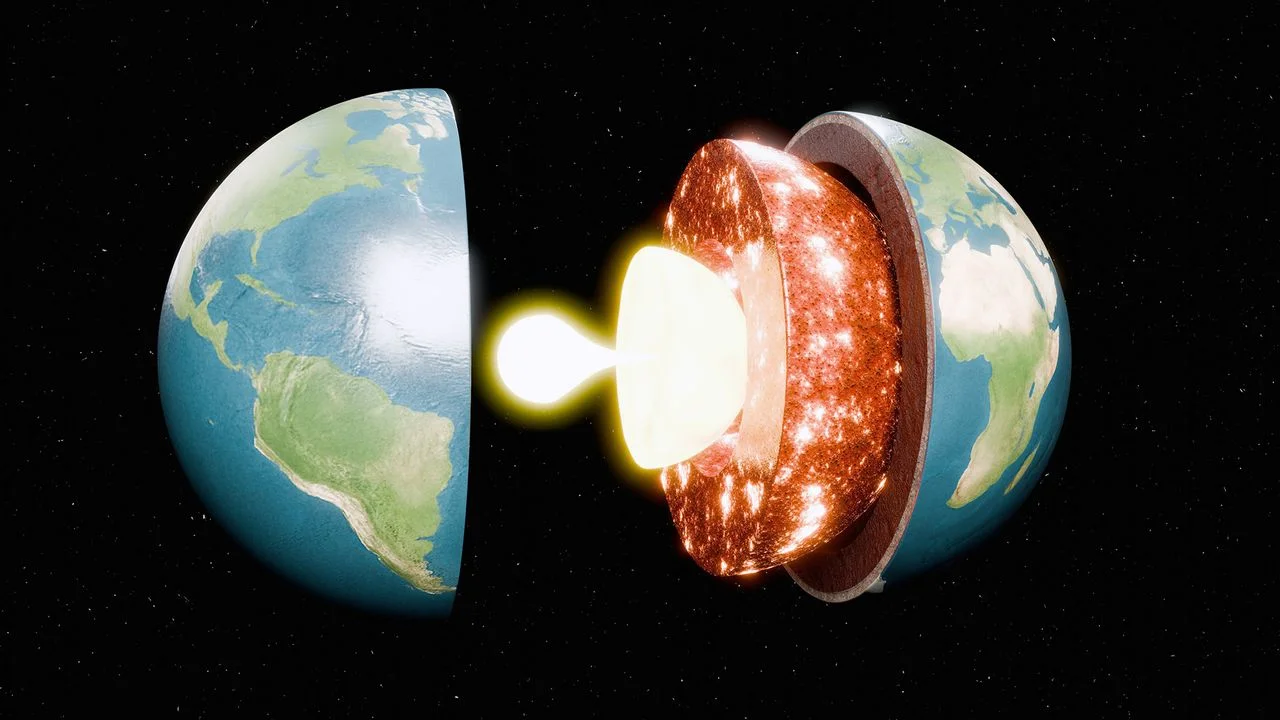
The temperature at Earth's core raises intriguing questions about its composition and structure. This article explores the estimated heat levels and the scientific methods used to determine them.
What Lies Beneath: The Mystery of Earth's Core Temperature
Understanding the temperature of Earth's core is no small feat. This inquiry taps into the very fundamentals of geology and planetary science, revealing not just the extremes of our planet's internal structure, but also the sophisticated methodologies scientists employ to uncover such hidden truths. The core is comprised of two distinct layers: a solid inner core and a liquid outer core, each presenting unique challenges in measurement and analysis.
So, how hot is the core exactly? Estimates place temperatures in the solid inner core at a blistering 5,000 to 7,000 degrees Celsius (9,000 to 13,000 degrees Fahrenheit). But it’s not just the numbers that intrigue; it's the intricate processes that allow us to arrive at these figures. Traditional methods like seismic wave analysis, which track the speed and behavior of waves caused by earthquakes, have provided key insights. These waves travel at different speeds depending on the material they're passing through, offering indirect clues about temperature and state.
Here's the thing: while these numbers may seem astonishing on the surface, they raise more questions than they answer. For instance, despite knowing the temperature ranges, the exact mechanisms of heat transfer from the core to the mantle remain poorly understood. This lack of clarity suggests that what we think we know about Earth's interior could be just the tip of the iceberg.
If you’re working in geology or related fields, grasping the complexities of Earth's core temperature is essential. Overall, this exploration of the core is more than just a scientific exercise; it serves as a reminder of the vast knowledge that still eludes us beneath our feet. As we continue to explore and study, who knows what other secrets the Earth holds?
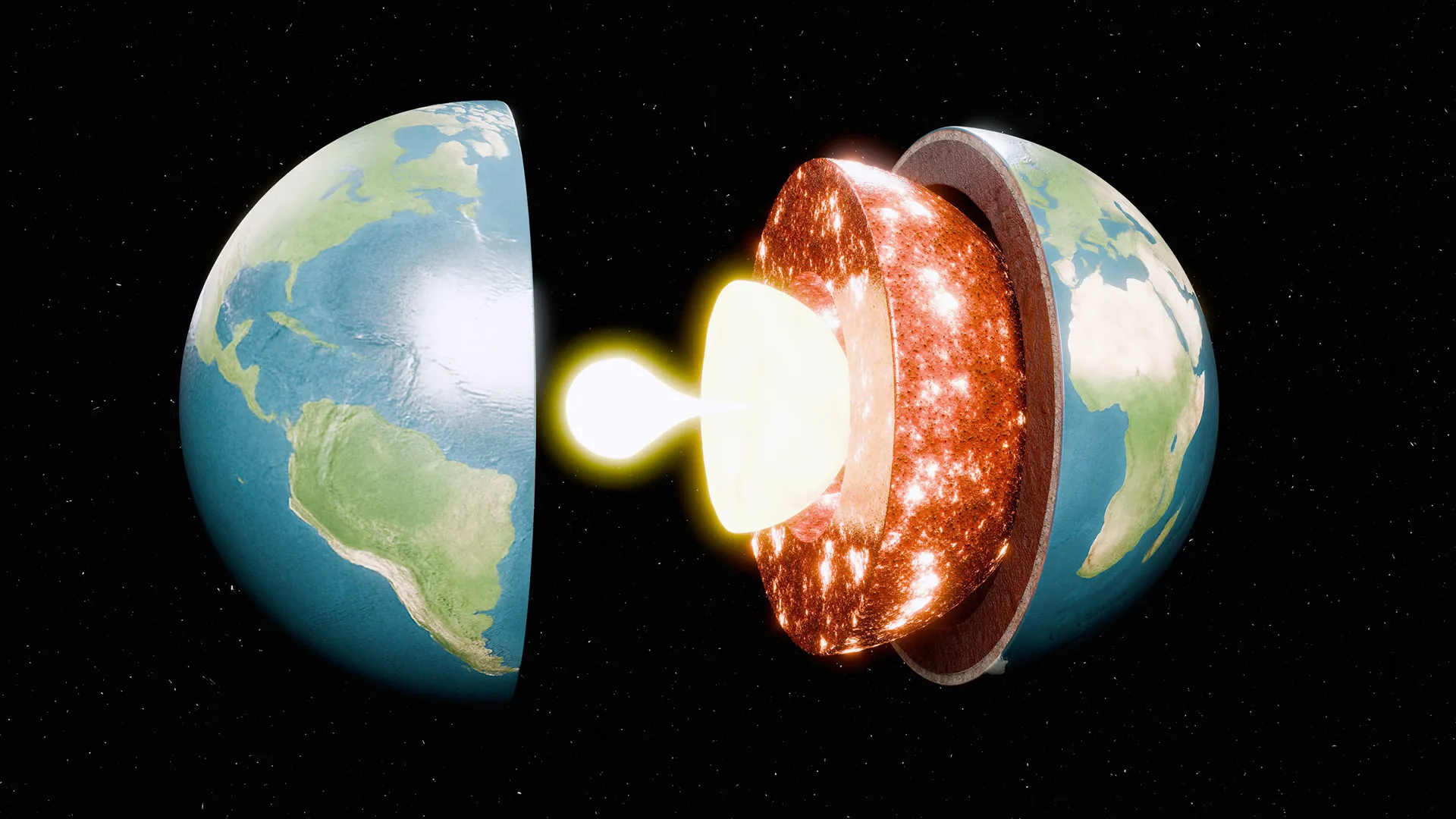When delving deeper into Earth's core, it becomes clear how its extreme conditions come into play. The core is not just an inert chunk of metal; it's a dynamic system that reaches temperatures comparable to those found on the surface of the sun—about 9,000 to over 10,000 degrees Fahrenheit (5,000 to 5,500 degrees Celsius). The hottest region exists at the boundary between the inner and outer cores, but how do scientists arrive at these temperature estimates when direct measurement isn't feasible?
The answer lies in indirect measures and sophisticated modeling techniques. Earth's core primarily consists of iron, making up about 85% of its composition, with nickel and lighter elements accounting for the rest. This inference about the material's properties is bolstered by results from laboratory experiments that simulate high-pressure environments, echoing conditions found deep within the planet. Studies involving **[high-pressure measurements of iron alloys](https://doi.org/10.1103/PhysRevLett.97.215504)** and analyzing **[meteorite compositions](https://doi.org/10.1038/s43017-021-00203-6)** have played a crucial role in revealing the characteristics of the core. Furthermore, scientists study how **[seismic waves](https://doi.org/10.1038/134216c0)** behave as they move through different materials inside Earth, providing additional insights into the core's structure.
Earth's outer core, primarily liquid iron, must exist at temperatures surpassing iron's melting point at the surface—around 2,800 degrees Fahrenheit (1,538 degrees Celsius). However, pressure dramatically alters this dynamic. “As pressure increases, the melting point of iron rises,” says **[Quentin Williams](https://campusdirectory.ucsc.edu/cd_detail?uid=qwilliam)**, a mineral physicist at UC Santa Cruz. This interplay explains why, despite the heat, the inner core remains solid; its temperatures are abnormally high, but the immense pressure prevents melting.
To nail down the melting temperatures of iron under such extreme conditions, scientists have employed various innovative experimental methods. Some **[experiments utilize diamond anvil cells](https://doi.org/10.1126/science.1233514)**, where iron is squeezed between diamond tips to generate the necessary pressure while being heated with lasers. Others apply high-velocity projectiles to create the crushing force needed to replicate conditions akin to those at the core's boundary. The data extracted from these studies has been crucial, allowing researchers to extrapolate temperatures that align with the estimates of 9,000 to over 10,000 degrees Fahrenheit.
Yet, the reality of our understanding remains that much of what we theorize about the core is still speculative. “To some extent, what we know about the Earth’s core is all an educated guess,” says **[Shichun Huang](https://scholar.google.com/citations?user=DpHUpCwAAAAJ&hl=en)**, a geology professor. Numerous processes, including how the inner core crystallizes, remain shrouded in mystery, showcasing the complexities of planetary science.
Origins of the Heat
The extreme heat of our planet's core tells a story about Earth’s formative years. In its infancy, Earth pulled together a variety of elements, including iron, and as these materials coalesced, the conversion of gravitational energy into heat was substantial, according to Huang.
Further investigation suggests that something monumental may have occurred during Earth's infancy—a collision with a **[Mars-sized object](https://www.livescience.com/space/astronomy/cataclysmic-crash-with-neighboring-planet-may-be-the-reason-theres-life-on-earth-today-new-studies-hint)**, adding massive amounts of heat to the planet’s interior. Additionally, the role of radioactive elements such as potassium and uranium is debated, as their presence in the deep Earth and contribution to internal heat generation is still under investigation.
In terms of habitability, it’s crucial to understand why Earth’s core remains hot, unlike other celestial bodies. The retention of this primordial heat is integral to the planet's capacity to support life—a fascinating interplay of geology and biology that sets Earth apart in our solar system.Understanding Earth's Unique Warmth
When discussing Earth's remarkable ability to maintain warmth, it’s easy to overlook the deeper implications. We’re not particularly adept at cooling our planet, as Williams points out. This characteristic sets Earth apart from other rocky bodies in our solar system. Unlike our planetary neighbors, Earth has retained heat from its formation, enabling critical processes like plate tectonics. This ongoing movement of the Earth's crust not only recycles nutrients but also fosters a variety of habitats, propelling the evolution of life.
But it doesn’t stop there. The molten iron core plays a pivotal role in generating our magnetic field, a protective barrier against harmful solar winds. If you’re in the field of environmental science or astrophysics, this interplay between the planet's interior and surface is vital. Huang's assertion that understanding Earth's inner workings is essential for appreciating life as we know it is spot on. The heat from our core is a fundamental factor that underpins everything from climate to biodiversity.
The Bigger Picture
This underscores a larger, often neglected narrative in environmental discussions: the importance of geological processes. The staggering complexity of Earth’s internal dynamics shapes not just our physical environment but everything within it. If we’re to tackle pressing challenges like climate change, understanding these foundational aspects of our planet is critical.
Moving forward, it seems paramount for researchers and policymakers alike to focus on the synergy between geological stability and life’s adaptability. What happens below the Earth's surface could very well dictate the future of our species above it. The lessons drawn from Earth's heated interior might hold the keys to our survival, and it's time to start paying attention to what lies beneath.