Technology
Fossil Discovery Reveals Complex Animal Evolution Dates Pushed Back by 10 Million Years
A recent fossil find in Canada indicates that complex animals emerged significantly earlier than previously established timelines, altering our understanding of life's evolutionary history.
Reevaluating the Timeline of Complex Life on Earth
A remarkable new discovery in Canada is shifting our understanding of when complex animals first emerged, suggesting they may have evolved as much as 10 million years earlier than scientists had previously believed. This finding not only challenges established timelines but also invites us to reconsider the evolutionary narrative of life's development on our planet.
Researchers unearthed a wealth of fossils that provide critical evidence for this earlier emergence of complex organisms. The timing of evolution for such life forms is pivotal. It helps us understand not just when complexity began, but also how environmental factors may have shaped these early ecosystems. The fossils, located in a site in Canada's Northwest Territories, are providing a clearer picture of what Earth’s biosphere looked like during this formative period.
The implications are profound. If these creatures arose earlier than we thought, it raises questions about the conditions that drove their evolution and the ecological dynamics that followed. Were they responding to specific climate events? Did they play a pivotal role in the nutrient cycles of the time? This fossil trove could answer lingering questions about the interactions between early animal life and their environments, elements that are often overlooked in traditional narratives.
What's more striking is the direct linkage between this discovery and the ongoing debate within the scientific community about the pace of evolutionary change. It's become increasingly clear that life on Earth did not undergo changes in isolation; rather, it was part of a complex web of biological and environmental interactions. Understanding this timeline not only enriches our knowledge of Earth's biological history but also our comprehension of contemporary biodiversity.
In summary, this discovery is far more than just an academic curiosity; it challenges us to rethink long-held assumptions about evolution and invites deeper exploration into how life has intricately evolved over millions of years. As researchers continue to analyze these fossils, the answers they uncover could reshape our very understanding of life’s evolutionary history. If you're in conservation or evolutionary biology, keep an eye on this – the impacts of early complex life could reverberate through to today's ecosystems.### Fossil Discoveries and Evolutionary Implications
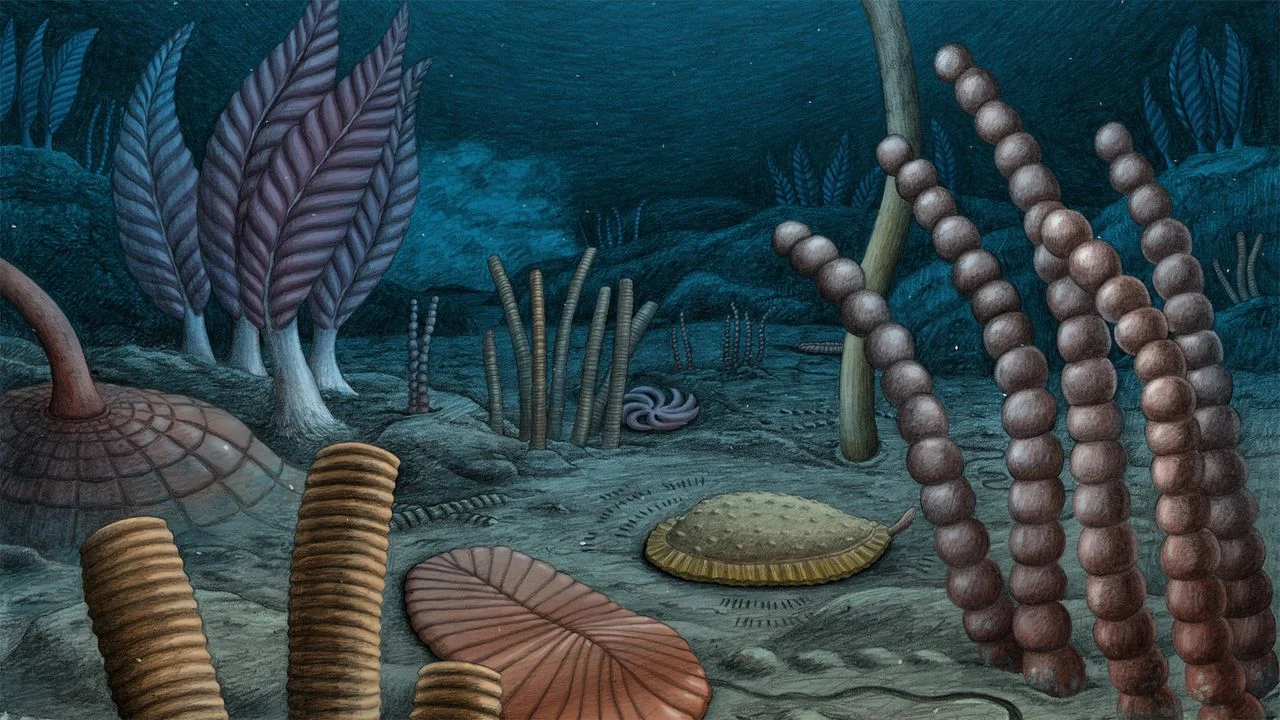
Recent fossil finds in northwestern Canada are rewriting our understanding of early animal evolution, pushing the timeline further back than previously recognized. This site boasts over 100 fossils, including six taxa unrecorded in North America until this discovery. Some of these specimens date as far back as 567 million years, marking a significant leap in our knowledge about the emergence of motile life forms that actively sought food. A study published on May 20 in *Science Advances* details these revelations and their potential to redefine the origins of multicellular life.
Scott D. Evans, an assistant curator at the American Museum of Natural History, emphasizes the importance of these findings: "For 3 billion years, life on Earth was dominated by microbes," he stated in a recent commentary. The sudden appearance of complex marine organisms capable of familiar behaviors marks a pivotal transition in Earth's biological history. The fossils found in Canada could illuminate the very moment when life shifted toward larger, more complex forms, a critical understanding for those studying evolutionary methods.
The Ediacaran period (635 to 541 million years ago) is when these intricate organisms first appeared. During this era, North America was part of Laurentia, an ancient land mass that predated the supercontinent Pangaea. The creatures from this time show a mix of evolutionary links, some being ancestors to modern-day species like mollusks and jellyfish, while others are entirely unlike any known animals today. Because many had soft bodies lacking hard shells, their fossils are scarce, making these new discoveries particularly valuable.
The researchers sorted the fossils into three distinct assemblages based on their periods of existence. The Avalon assemblage (575 to 559 million years ago) included stationary animals from deep waters, while the White Sea assemblage (559 to 550 million years ago) featured a more diverse array of shallow-water fauna. Notably, this study marks the first identification of White Sea assemblage fossils in North America, dating them 5 to 10 million years earlier than similar fossils found in Europe and Asia.
This new evidence could indicate a reversal of our assumptions about deep-sea evolution. Patterns in the sediment surrounding the fossils suggest these early organisms lived in deeper waters, challenging the conventional narrative that animals typically evolved in shallow marine environments first. "The deep ocean, despite its reputation as a harsh and dark domain, offers a stable environment with minimal fluctuations in essential elements like temperature and oxygen," Evans elaborated, suggesting that this stability could have been conducive to the rise of early animal life.
This new site holds vast potential to reshape our understanding of Ediacaran history and the evolutionary strategies of ancient creatures. According to Justin Strauss, an Earth scientist at Dartmouth College, not only is the fossil diversity remarkable, but the geological context allows for a reassessment of how these early life forms interacted with their environments. "There is great potential here to revisit our understanding of Ediacaran Earth history," Strauss remarked, urging other researchers to explore this promising site further.
In summary, the implications of these discoveries extend beyond just the timeline—it may force us to rethink how we perceive the evolution of life itself.Looking Ahead
As we wrap up our exploration into the current state of technology, it's clear that we're at a pivotal moment. The data points gathered and the trends observed don't just tell us where we've been; they offer a roadmap for what lies ahead. If you’re involved in tech, especially in sectors like AI or sustainability, you’ll want to keep a close eye on the shifts happening in regulatory environments and consumer expectations.
One thing stands out: the accelerating pace of innovation coupled with the need for responsible tech. Companies face increasing scrutiny—it's not just about what new product you can launch, but how ethically it can be produced and used. This scrutiny could shape the development cycles for everything from software to hardware, forcing teams to not only prioritize performance but also transparency and sustainability. That’s a significant shift in mindset.
Additionally, the integration of AI into everyday applications shows no signs of slowing down. As these technologies embed deeper into industries, the implications for job markets, education, and even interpersonal interactions will be profound. The numbers suggest an opportunity for growth, but they also warn of the risks of leaving behind those who lack the training to adapt.
Which raises the question: how will leaders navigate this complex landscape? The answer isn't simple, but cultivating a culture of continuous learning and adaptability will be essential. Tech professionals must remain vigilant and proactive. Those who succeed will be the ones who embrace change rather than resist it.
In conclusion, the path forward is filled with opportunities for those prepared to meet the challenge head-on. Let’s not forget, though, that with innovation comes responsibility. It’s up to all of us in the field to ensure that we’re driving progress that benefits not just a select few, but society as a whole.