Reviving Cultural Heritage: The Pilru and Its Role in Indigenous Identity in Nepal
Originally published on Global Voices

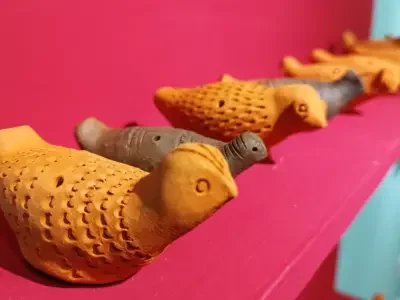
Pilru, a terracotta musical instrument made by Tharus and Kumhars of Nepal's southern plains. Photo by Sanjib Chaudhary. Used with permission.
The Pilru, a terracotta musical instrument shaped like a bird, represents more than just a melodious sound—it encapsulates the cultural identity of the Tharu and Kumhar communities in Nepal. Through an initiative spearheaded by Tharu artist Lavkant Chaudhary, these instruments have made their way from remote villages in Western Nepal to urban art stores in Kathmandu Valley, highlighting both their artistic and cultural significance.
Documenting Heritage Through Community Action
“Pilru — Songs of Resistance” is more than an artistic project; it's a community-led effort focused on the documentation and preservation of the Pilru. As Chaudhary articulates, the initiative aims to collect oral histories, melodies, and craftsmanship techniques, positioning the Pilru as a dynamic element of cultural practice rather than a mere relic of the past. This viewpoint not only emphasizes the living nature of the instrument but also champions the voices of Indigenous creators.
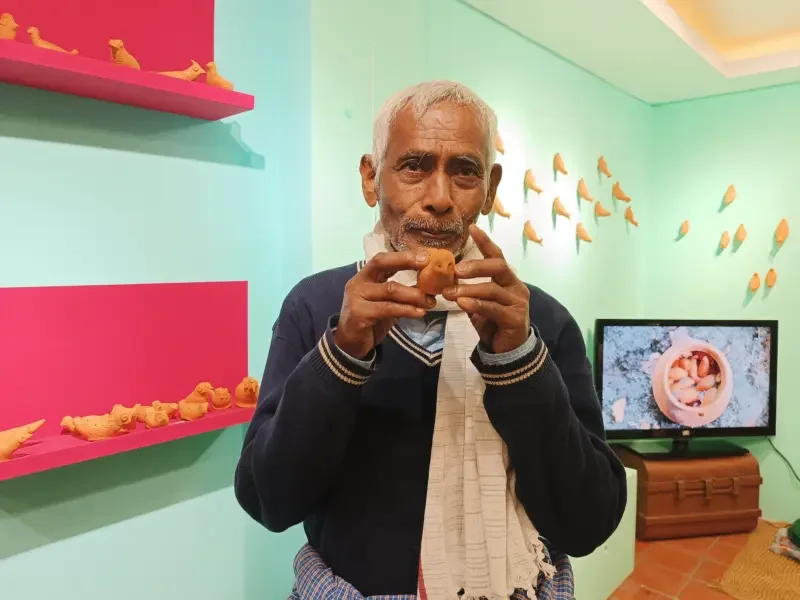
Roinu Chaudhary from Dang, a district in Western Nepal, plays pilru at an event organized in Kathmandu. Photo by Sanjib Chaudhary. Used with permission.
At an event in the capital, Roinu Chaudhary, a 70-year-old player, reminisced about his childhood memories, stating, “We used to play it while grazing cattle and going to the jungle.” His experience underscores the connection people have with the instrument, which has long served both social and ceremonial purposes within these communities.
Concerns About Cultural Transmission
Despite its deep roots, the future of the Pilru faces uncertainty. Chhabilal Kopila, a Tharu activist, poignantly noted the growing disinterest among younger generations, warning that few are now willing to engage with a cultural artifact that has defined their identity. If current trends persist, the Pilru may fade into obsolescence, losing its narrative and meaning.
This phenomenon highlights a broader problem of cultural erosion amid globalization. While it might be tempting to attribute dwindling interest solely to modern distractions, it’s crucial to consider systemic factors, such as socio-political marginalization that Indigenous practices often endure.
Challenging Cultural Appropriation
The preservation efforts surrounding the Pilru also confront the pervasive issue of cultural appropriation. Lavkant Chaudhary articulates concerns about non-Indigenous entities that commodify Indigenous art, including the Pilru, without proper acknowledgment. Such practices strip the art of its cultural significance, presenting it devoid of the narratives and identities of its makers.
As noted by Esther Aburto Olague, an attorney specializing in cultural heritage law, Indigenous peoples should maintain control over traditional knowledge and expressions. The inclusion of Indigenous voices in cultural practices, where they can assert their ownership and rights, is vital for preserving their cultural legacy and dignity.
The challenges faced by Tharu and Kumhar communities extend beyond the Pilru. Their struggle for recognition and rights is emblematic of a broader fight for cultural justice—one that necessitates the acknowledgment of authorship and engagement with the communities actively maintaining these traditions.
Moving Towards Recognition and Empowerment
Efforts to recover and promote the Pilru highlight a critical intersection of art, identity, and equity. The initiative ensures that the next generation is not only aware of their heritage but also empowered to engage with it on their own terms. For practitioners and advocates, fostering an environment where Indigenous knowledge is respected and valued is essential. It’s a step towards honoring their cultural heritage and supporting the continual evolution of their identity.
For any industry professional working in cultural preservation or Indigenous rights, the Pilru’s story serves as a case study on the complexities of cultural legacy in a rapidly changing world. The conversation around the Pilru is ultimately about more than the music; it's about the fight for recognition, respect, and the survival of a culture that deserves to thrive.