Adapting Healthcare Amidst Crisis: The Intersection of Climate Change and Conflict in Yemen
Originally published on Global Voices
The intertwining effects of worsening climate conditions and ongoing conflict in Yemen are reshaping public health in profound ways. This combination isn't just a backdrop; it actively influences the prevalence of disease and the effectiveness of healthcare delivery. As Yemen grapples with recurrent cholera outbreaks, respiratory issues develop alongside the increasing pressures of both environmental changes and a strained healthcare infrastructure.
Public Health Crisis Driven by Environmental and Socioeconomic Stressors
Recent reports from the World Health Organization highlight that Yemen has the highest burden of cholera globally, a consequence of unsafe water and inadequate sanitation. Coupled with the impact of climate change, such as increased flooding and temperature fluctuations, the situation becomes more dire. For instance, stagnant water poses an ideal breeding ground for mosquitoes, raising the risk of diseases like dengue fever.
Healthcare professionals, such as Hana’a Al-Zubairi from Yemen’s Ministry of Health, are keenly aware of this evolving public health landscape. Al-Zubairi articulates that environmental stressors—ranging from severe weather to contaminated water sources—exacerbate existing health conditions, from chronic respiratory infections to waterborne diseases. The reality is stark: patients often present only after their conditions become critical, escalating healthcare costs and complicating treatment.
Living with Chronic Illness: The Impact of War and Environment
The personal experiences of individuals like 17-year-old Malak Abdulmalik illustrate the challenges faced by many Yemenis. Malak relies on her inhaler daily as dust storms and changing weather patterns exacerbate her respiratory symptoms. Similarly, her cousin's battle with cholera exemplifies how contaminated food and water continue to threaten public health. These individual stories underscore a broader public health crisis driven primarily by environmental degradation and collapsing infrastructure due to long-standing conflict.
Dr. Ali Al-Hamzi, a surgeon, recounts his own experience with dengue fever, highlighting how the disease can severely impact a person’s physical and mental health. He stresses the importance of prevention, advocating for community-driven efforts like mosquito control and public health education to combat these rising threats.
Healthcare System Strain: Delayed Treatments and Resource Limitations
Delays in seeking medical care pose significant threats, particularly in rural areas where poverty is prevalent. Ashwaq Abdullah, a nurse with significant clinical experience, has observed first-hand how socioeconomic factors delay treatment for many patients. She emphasizes the criticality of early intervention, noting that many arrive in dire conditions due to delayed medical attention—complications can often lead to life-threatening situations.
This delayed response reflects a broader systemic issue in Yemen's healthcare infrastructure, which has been severely hindered by ongoing conflict. While humanitarian organizations like the International Committee of the Red Cross (ICRC) attempt to fill some gaps, establishing sustainable healthcare remains a daunting task. According to ICRC estimates, their initiatives have improved healthcare access for over 580,000 people in the first half of 2025, and roughly 390,000 gained improved access to clean water. Nevertheless, this support is merely a temporary solution amidst an ongoing crisis.
Adaptive Strategies and Local Solutions
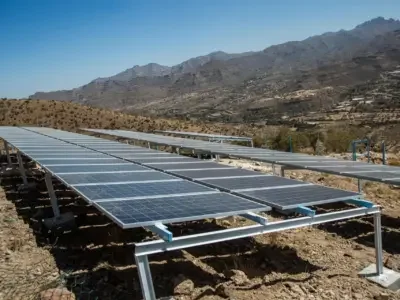
Despite the overwhelming challenges, a narrative of resilience emerges from Yemen's communities. Citizens are not just enduring hardships; they are innovating solutions tailored to their circumstances. Renewable energy initiatives, particularly solar projects, are gaining traction. These projects are not merely energy solutions; they are vital to improving water access and healthcare services in war-torn areas. Such adaptations highlight a pivot towards sustainable living, even in the face of mounting adversity.
Local knowledge is pivotal in fostering these solutions. The understanding of specific community needs and environmental risks allows for more targeted and effective climate interventions. The shift from merely reacting to crises to incorporating preventive measures within community practices is increasingly evident.
The Road Ahead: Building Resilience Amid Ongoing Challenges
As Yemen continues to grapple with the dual crises of climate change and armed conflict, the need for systemic change in public health is more urgent than ever. This situation calls not only for immediate humanitarian aid but also for a long-term vision of sustainable development that integrates climate resilience into the healthcare framework.
Healthcare professionals and humanitarian organizations need to collaborate closely with local communities to implement effective prevention strategies. Education campaigns may also play a critical role in increasing awareness and understanding of health risks associated with climate change and conflict. The future of Yemen’s public health hinges on this collaborative approach and the adaptability of its people in the face of ongoing crises.
This scenario illustrates that Yemen, while often viewed through a lens of despair, is also a land of innovation and resilience. Communities are not passively waiting for aid; they are actively engaging in the transformation of their circumstances through practical solutions, local knowledge, and a commitment to survival. The efforts witnessed today may serve not just as a form of resistance but as potential blueprints for public health resilience in similarly affected regions worldwide.