Two Brisbane hospital networks have spent six months without their required First Nations board directors, leaving a visible gap in governance at a time when Queensland’s health system continues to face stark differences in health outcomes. Health leaders say the vacancies matter because board decisions shape organisational culture, including how hospitals respond to Aboriginal and Torres Strait Islander patients.
The vacant positions are at Metro North and Metro South Hospital and Health Services. Both seats have been unfilled since March 31. Health Minister Tim Nicholls says recruitment is underway, but prominent health figures argue the government could have acted sooner and should consider temporary appointments.
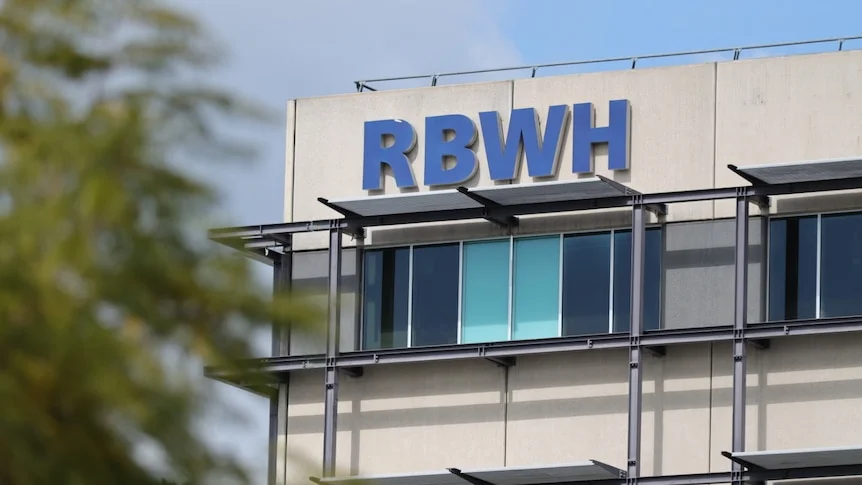
Metro North is Queensland's largest hospital network, covering Brisbane to Kilcoy. (ABC News: Lucas Hill)
Representation at the boardroom table
Bill Glasson, a former state and federal president of the Australian Medical Association who now serves on the Institute for Urban Indigenous Health board, says Queensland’s Hospital and Health Boards Act requires Indigenous representation. He describes the unfilled seats as a breach of the legislation and has urged Nicholls to use his authority to make urgent interim appointments.
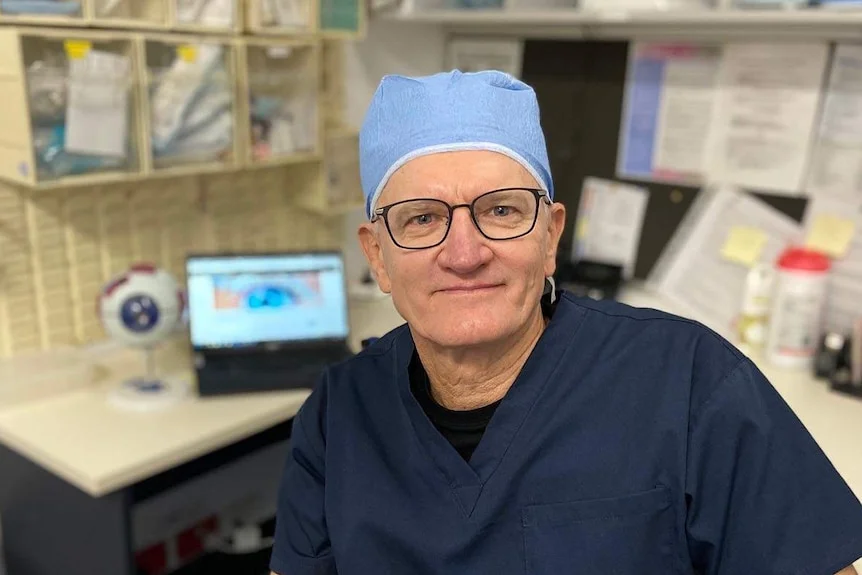
Bill Glasson says it is a violation of state law. (ABC News: Lexy Hamilton-Smith)
“Unless the boards reflect the people [they] serve, then we will get nowhere in terms of improving health outcomes,” Glasson said. He also said there are qualified candidates available, pointing to a recent Indigenous health conference where he saw “a room full of people with the credibility and experience to fill those roles”.
The act allows the minister to make temporary appointments when he reasonably believes a board lacks the skills, knowledge or experience needed to carry out its functions effectively. Glasson says that provision gives Nicholls a way to address the current vacancies while longer-term recruitment proceeds.
The scale of the gap is clear in the networks’ service areas. Metro South serves about 30,000 Aboriginal and Torres Strait Islander people, the largest Indigenous population served by any Hospital and Health Service in Queensland. Metro North has the state’s second-largest Indigenous population, according to Queensland Health figures.
While the two Indigenous director roles remained vacant, cabinet appointed or reappointed 91 other hospital board members across Queensland. Four of the eight board members at each of the Metro North and Metro South services are new appointments. The government also highlighted an election commitment to put a local clinician on each area hospital board, but the First Nations vacancies were not filled in that round.
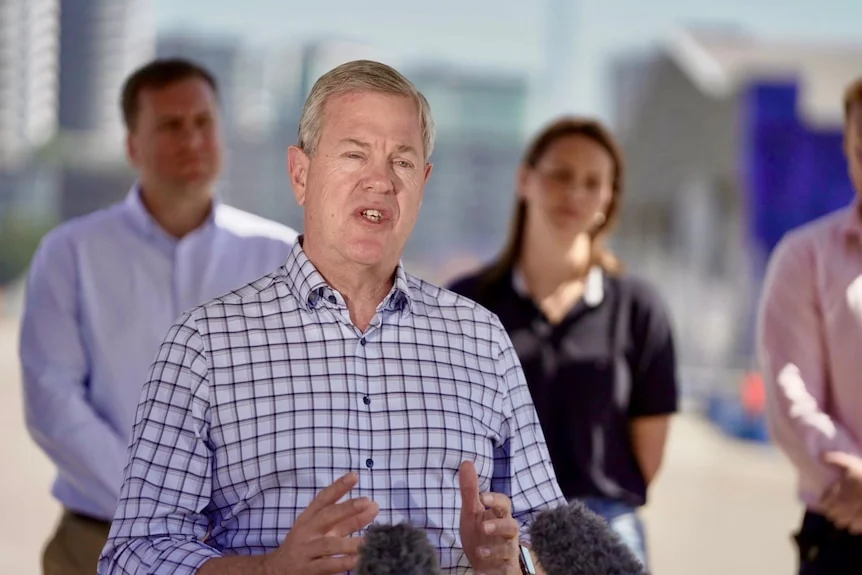
Tim Nicholls says recruitment efforts are ongoing. (ABC News: Lucas Hill)
Why the vacancies carry weight
The First Nations board roles were introduced against a history of concerns about institutional racism in Queensland Health. A 2017 report documented extreme levels of racism within the department; a leaked version identified Metro South as the worst-performing service in the state.
Tom Calma, a Kungarakan and Iwaidja man whose work as social justice commissioner helped lay the foundations for the Close the Gap campaign, called the absence of Indigenous directors troubling. “I can only surmise that they are not interested in having Aboriginal and Torres Strait Islander representation,” he said. Calma said filling the seats is especially important given the size of the Indigenous population in South-East Queensland.
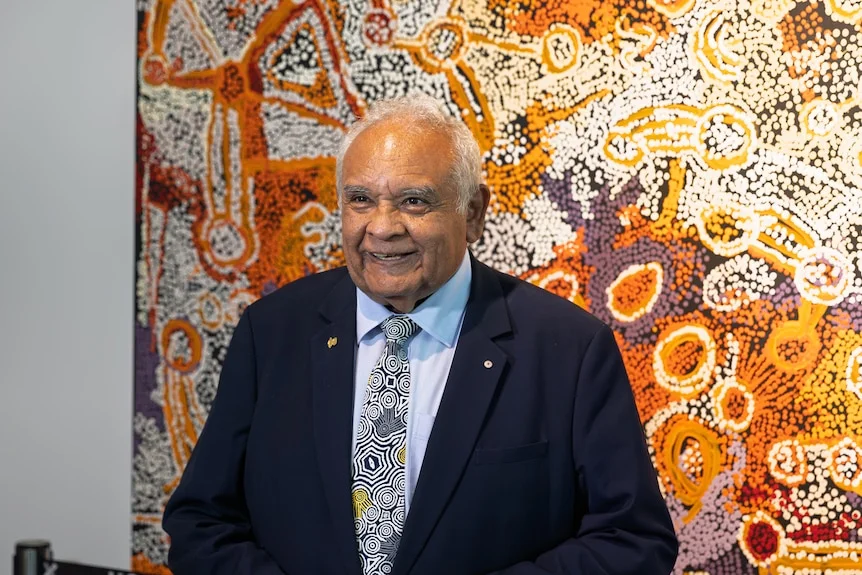
Tom Calma says these roles are "critical" for cracking down on institutional racism in hospitals. (Supplied)
The health indicators underline the stakes. Closing the Gap data shows potentially preventable hospitalisations among First Nations Queenslanders are 2.4 times the rate for other Queenslanders. Progress on healthy birth weights has stalled, and First Nations men and women die, on average, 7.4 and 7.0 years earlier than non-Indigenous people in the state.
Calma connects those disparities to patient experience as well as access to care. He says institutional racism and a lack of cultural safety can lead people to avoid hospitals, leave treatment early or not attend clinics after a poor encounter. Boards, he argued, set the organisation’s tone and provide governance safeguards.
Recruitment timeline and board oversight
Nicholls said in a statement that “Recruitment and selection processes are underway to fill existing First Nations vacancies in South East Queensland.” Earlier this year, he acknowledged that recruitment efforts began on March 27, only four days before the roles became vacant.
Metro South director Donisha Duff, who has more than 20 years’ experience in health and Indigenous affairs, was given five days’ notice to leave on March 31, halfway through her appointed term. Duff ran as an Australian Labor Party candidate in the 2022 federal election. Adrian Carson, Metro North’s longtime Indigenous director, left to pursue private healthcare consulting. Interviews to replace the directors had been held by June.
There are also signs that the gaps extend beyond the two board seats. Metro South’s annual report said its First Nations Health Equity Board Committee was inoperative. As of August 31, the committee was still “awaiting appointment” of both its chair and members. Metro North, meanwhile, has appointed a guest adviser to its Aboriginal and Torres Strait Islander Peoples Equity Advisory Committee, despite having no Indigenous director on its board.
Neither hospital service answered questions about whether it was concerned that the vacancies left its board in breach of state law, or whether it had asked the minister to make temporary appointments. Nicholls did not answer questions about whether the government was in breach; both boards say they remain committed to improving outcomes for First Nations people.
The next test is whether the ongoing recruitment produces appointments soon, and whether those directors have the standing and influence to shape decisions. For Glasson and Calma, representation is tied directly to how services understand and respond to the communities they serve.


