Mineral wealth meets a shortage of workers
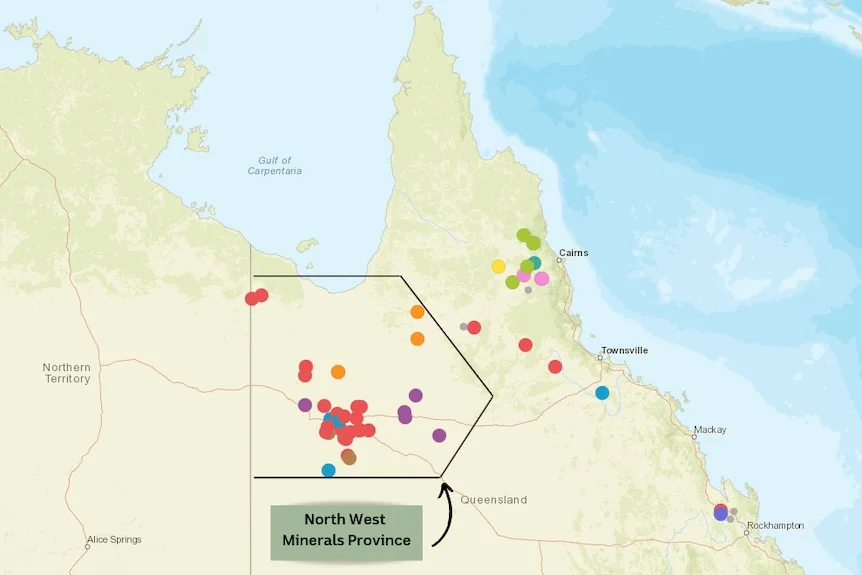
North-west Queensland’s mining push could create jobs and restart idle mines, but companies say they may struggle to find the people needed to get projects running. That tension matters in a province estimated to hold $680 billion in resources, with about 85 critical minerals projects underway alongside exploration and drilling. Those figures describe opportunity, but they don’t show how quickly projects can move from plans and exploration to staffed operations. In mining, a deposit and the infrastructure around it are only part of the equation; companies also need people with the skills to operate and maintain a site.
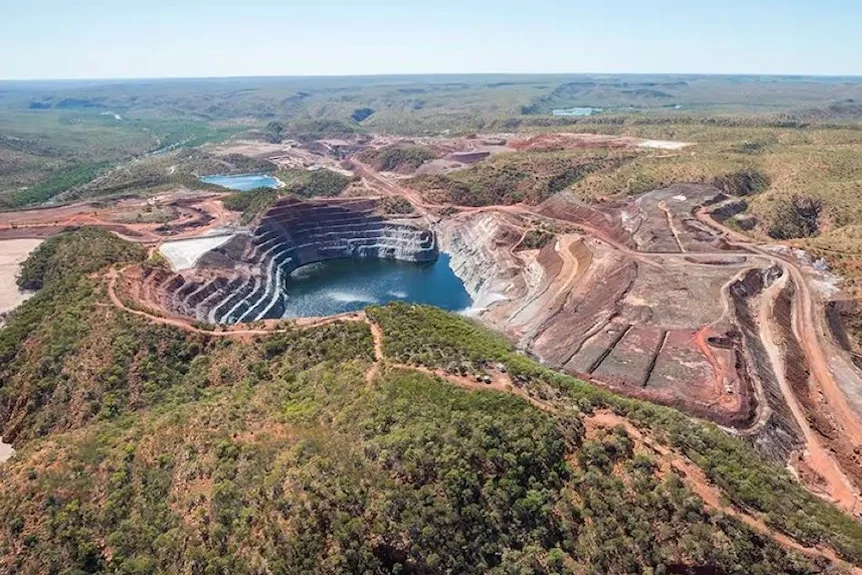
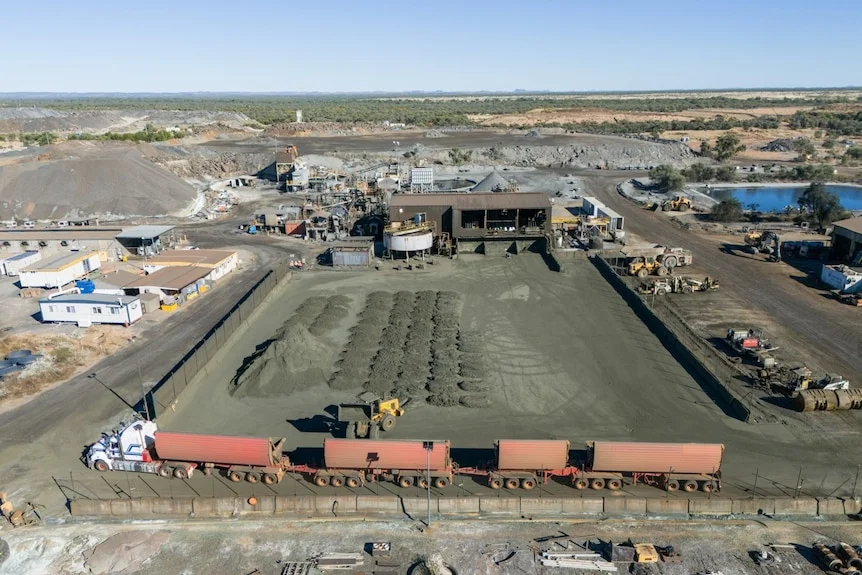
The Capricorn Copper Mine, north of Mount Isa, is among the sites seeking a restart after floods damaged key infrastructure. Its previous workforce numbered about 400. Another project, Mt Cuthbert, has been in care and maintenance since 2022; AIC Mines has secured a binding agreement to acquire it. AIC already operates the Eloise copper mine, 60 kilometres south-east of Cloncurry, and had been caretaking Mt Cuthbert.
These projects show why the workforce issue is not confined to new mines. A restart can require workers across a range of roles, while existing operations are already competing for many of the same skills. Flood damage adds another layer of work at Capricorn Copper: getting infrastructure back into service and rebuilding the workforce are linked tasks, and difficulty hiring can complicate the pace of both.
AIC chairman Aaron Colleran sees promise in Mt Cuthbert, but says recruiting is difficult across the sector. “It’s not straightforward. We are having difficulty everywhere,” he said. The breadth of that concern matters: a company can have a project and a plan, yet still face a hiring bottleneck across more than one site.

AIC would prefer to hire locally, Colleran said, but it is already hard to recruit at Eloise, let alone find enough people in the surrounding region. Fly-in fly-out workers based in Townsville and Brisbane are a fallback. “We’ll look to fill those roles wherever and however we can because, at the moment, there is a scarcity of skilled personnel in mining,” he said.
That approach can keep a project staffed, but it doesn’t remove the underlying shortage. Recruiting from larger centres may widen the pool, while also making rosters, travel and retention part of the operating challenge. Local hiring has a different value: workers living nearby can keep more of their wages in the region and build skills that may support other employers. And this is the part most people overlook: the choice between local recruitment and FIFO isn’t just about filling a shift; it also shapes who benefits from a mine’s presence.
The problem extends beyond Queensland. The Australian Resources and Energy Employer Association estimated the industry would need 24,000 new workers by 2027 to support projects nationally. That estimate points to a broad demand for people across the sector, rather than a hiring problem confined to one operator or one region. It also makes competition more likely: regional mines are drawing from a workforce that major projects elsewhere may also need.
29Metals chief executive James Palmer said Capricorn Copper’s workforce had largely come from north Queensland, including the north-west and Mount Isa, with others travelling from Cairns, Townsville and Brisbane. Local jobs also bring spending into the region, he said. That local economic benefit makes the hiring crunch more than an operational concern. When a mine recruits locally, wages can support other businesses and services; when it cannot find enough workers nearby, some of that potential benefit may be harder to capture.
Competing for scarce skills
Queensland Resources Council workforce strategy and capability director Karina Lee Jones said mining employers are competing with major projects elsewhere in the state, including public infrastructure work tied to the Olympic Games. The tightest gaps are in mining engineering, geology, electrical work and mechanical engineering. These are specialised roles, and a shortage in any one area can affect a project’s ability to maintain equipment, plan work and keep operations running. The competition therefore reaches beyond mining companies: employers across different sectors may be seeking people with related training and experience.
Lee Jones said the shortage has weighed on mining for roughly five years, alongside a decline in young people entering trades and mining careers. Companies need to account for that constraint when expanding or starting operations. A project’s hiring needs can also change over time: it may first require workers to build or repair infrastructure, then need a different mix of skills to operate and maintain a mine. That makes workforce planning part of the project’s practical timetable, not an issue to leave until hiring begins.
Building the next cohort will take time. Lee Jones called for more apprenticeships in electrical work, diesel fitting, mechanical trades, auto electrical work and boilermaking, as well as a stronger case for young workers to move to regional towns or take FIFO jobs. Apprenticeships can help create a pipeline of trained workers, but they don’t immediately fill vacancies at operating mines. Employers and communities have to make training and regional work appealing enough for people to enter those fields and stay in them.
The Queensland Resources Council says years may pass before enough skilled recruits enter the industry. That lag leaves a practical question for companies: how quickly can projects grow when the workers they need are in short supply? Here's the thing: resource potential can support a long list of project ambitions, but hiring capacity will help determine which ones advance and how reliably existing operations can be staffed. If you're working in this space, the near-term test is whether companies can match project schedules to the people they can actually recruit. The numbers here are underwhelming when set against the scale of the ambition. More apprenticeships may strengthen the pipeline over time; in the meantime, a shortage that spans regions and occupations will keep putting pressure on expansion plans.


