A cluster of oncology developments
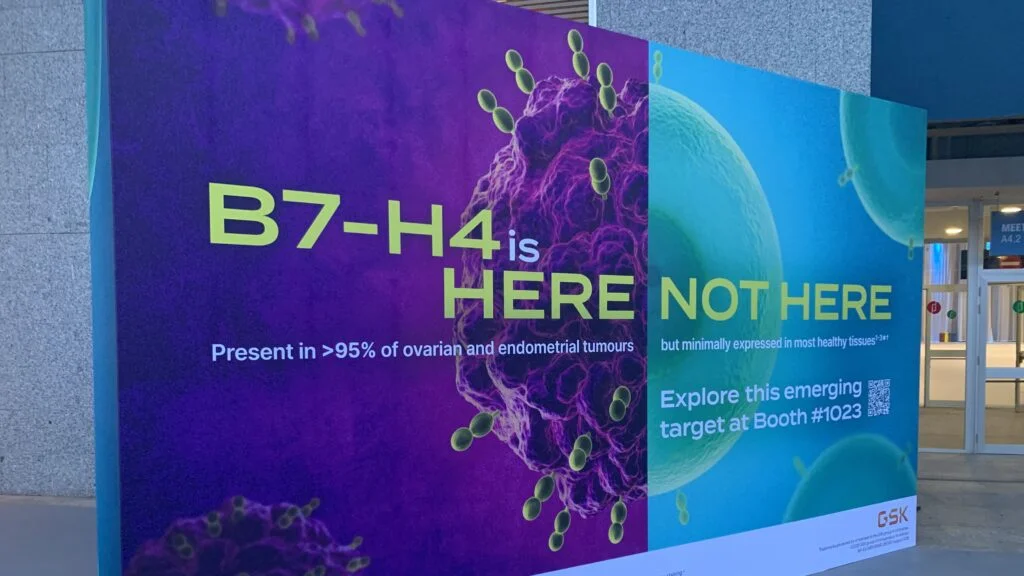
GSK’s oncology comeback is showing signs of traction. At a busy stretch around a major cancer conference in Madrid, the company secured approval for an existing drug to treat another tumor type and presented the first results from a global study of a next-generation chemotherapy. Those are different kinds of milestones: one extends a medicine’s approved use, while the other offers an early look at a treatment still being tested.
A third development drew attention during a presidential session at the conference: a medicine GSK licensed, putting the company’s oncology work in the spotlight beyond its own pipeline. The distinction matters. A company’s cancer portfolio can include medicines it discovers and develops itself, as well as assets it obtains through licensing arrangements. Both can broaden its reach, but they involve different paths to building a business and different questions about how much of the scientific and commercial work the company controls.
GSK is also waiting on an expected decision in the coming weeks for a new lung cancer drug. The run of developments stands out for a company that had exited oncology about a decade ago. The next test is whether this burst of activity can build into a durable presence across cancer treatment.
Why these milestones carry different weight
An approval for an additional tumor type can give an existing drug a wider role, but it doesn’t by itself show how much use that role will attract. Clinicians weigh evidence for the specific cancer and patient population, how a medicine fits alongside available treatments, and the practical demands of using it. An expanded indication can therefore strengthen a product’s position while leaving its eventual reach uncertain.
The first results from a global study are a different kind of signal. They can show whether a treatment has enough promise to justify continued development and whether the study is answering questions relevant to patients across different settings. But initial findings aren’t the same as a complete account of a medicine’s benefits and risks. Later evidence, including results from larger or more mature studies, often determines how confidently doctors can judge its place in care.
That’s particularly true for cancer drugs, where the details of a study can shape how its results should be read. The tumor type, stage of disease, previous treatments, and comparison group all affect what a result means. A headline about a “next-generation chemotherapy” tells readers the broad category, but it doesn’t establish how the drug compares with existing options or which patients might benefit. Those conclusions require evidence that the short report doesn’t provide.
The licensed medicine adds another dimension. Partnerships can help a company enter or strengthen a field by bringing in a drug developed outside its own research organization. That can shorten the route to adding an asset, but a license doesn’t settle the drug’s clinical prospects. Its value still depends on the evidence, the work needed to develop it, and whether it can find a meaningful role in treatment.
Rebuilding after an exit
Leaving oncology about a decade ago gives the current activity added context. A return to a field isn’t simply a matter of announcing a new research program; it requires a pipeline of medicines, expertise in development, and the ability to carry candidate drugs through clinical studies and into medical practice. The source describes a cluster of developments, but it doesn’t establish how broad or deep GSK’s current portfolio is.
That gap between visibility and staying power is easy to miss at a major conference. A prominent presentation can bring attention to a company’s work, and several announcements arriving close together can suggest momentum. Yet conference attention is a snapshot. Durable participation depends on whether individual medicines produce useful evidence and whether a company can sustain development across more than one product or tumor type.
GSK’s activity also spans distinct stages: an approval, early study results, a licensed medicine featured in a presidential session, and a pending decision on a lung cancer drug. The mix may indicate a broader effort than a single product launch would. It also means the developments shouldn’t be treated as interchangeable proof of success. Each carries its own uncertainties and will be judged on its own evidence.
What happens next
The expected decision on the lung cancer drug is the nearest clear milestone in the account. A decision could clarify whether that medicine can move into use for the proposed setting, but it wouldn’t answer the larger question of whether GSK can establish a sustained oncology presence. That will take time and depend on what happens with the other medicines in development and on how their evidence holds up.
For readers tracking the company, the useful focus is the sequence after the conference: whether early findings develop into a clearer clinical case, how the licensed medicine progresses, and what the pending decision means for the lung cancer treatment. Those are concrete questions. The announcements alone don’t supply the answers.
Here’s the thing: a return to oncology is measured less by the number of conference moments than by whether medicines ultimately change treatment choices. That’s a demanding test, especially in a field where promising early results may not translate into a useful option. The numbers here are underwhelming as a measure of long-term reach, because the report offers no study results or details of the approval. The activity is notable; the evidence of durability remains to come.
If you’re working in this space, the licensed medicine deserves attention alongside GSK’s internally developed work (and this is the part most people overlook): how a company assembles its portfolio can matter as much as where a particular asset originated. Still, a partnership can expand a company’s range without proving that any one treatment will succeed. A broader presence on paper. The clinical record will decide how much that presence counts.


