Foreign whale-tourism operators and visitors accused of breaking Tonga’s rules
By Tonga reporter Marian Kupu, Kyle Evans and Jordan Fennell
Endangered and Protected Species · Posted Saturday, 31 October 2026 at 12:19pm
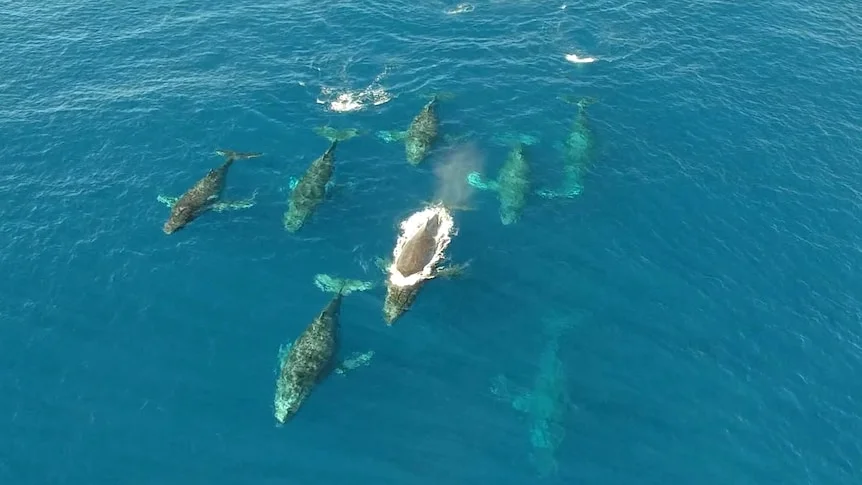
Tonga’s whale-swimming trade brings in tourists and millions of dollars. It also puts pressure on rules intended to protect the animals. Videos verified by the ABC appear to show visitors touching whales and diving with them, while officials say several operators have been warned over breaches.
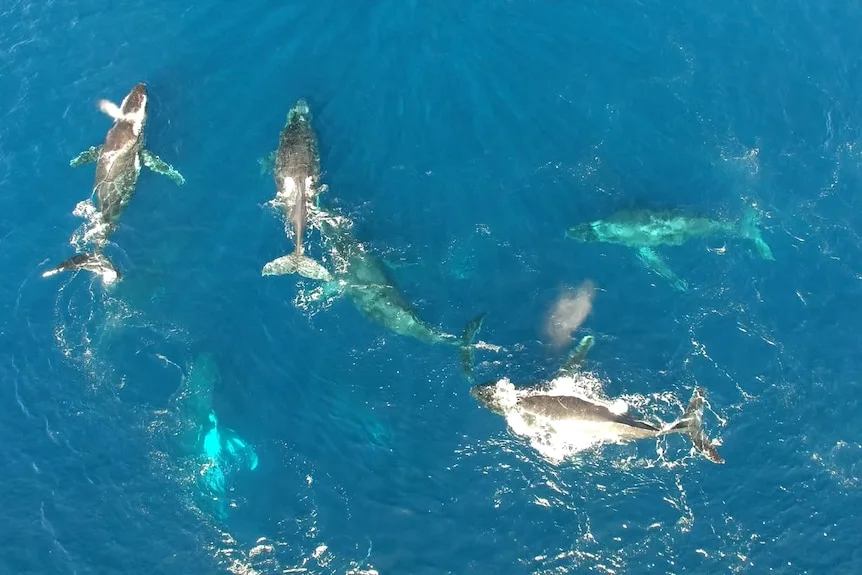
Every year, humpback whales travel thousands of kilometres from Antarctica to the warm waters around Tonga’s Vava’u Islands to give birth. Thousands of tourists come to see them. Tom Dobe came to swim alongside them.
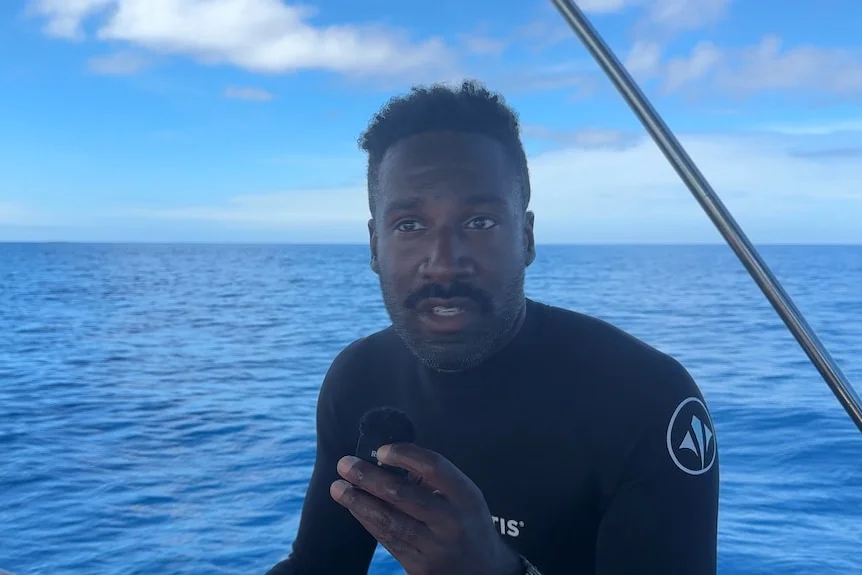
“It’s like a treasure to see all this biodiversity and all these whales. I’m feeling lucky that I get a chance to see it,” he said.
Tonga is one of the few places where swimming with whales is allowed. The activity attracts about 20,000 visitors a year and generates roughly $12 million annually. The scale of that business makes the rules—and whether they’re followed—more than a niche tourism concern.
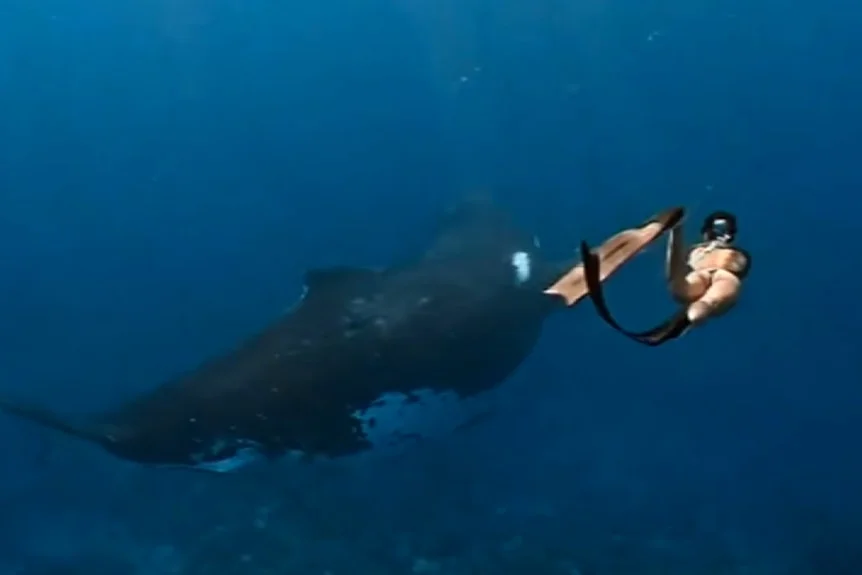
Swimming is permitted; diving is not. Yet videos on social media, including footage verified by the ABC, appear to show foreign-owned whale-tour operators allowing tourists to touch the animals and dive with them. Marine experts warn that even permitted swimming can affect whales, and one says the practice may threaten the population’s sustainability.
When the advertising conflicts with the rules
Tonga’s regulations prohibit touching or diving with whales. Videos posted on Chinese social media appear to show tourists doing both. One video reviewed by the ABC advertised free-diving trips and listed 12 excursions for the year.
Vili Vaipulu, a local skipper who runs his own whale-watching business, said such promotions leave tourists confused. They also make it harder for local skippers employed by foreign operators to enforce the rules when customers have been promised a particular experience.
“They simply cannot stop their diving,” he said.
Vaipulu said customers sometimes argue that diving was advertised as permitted. “I also feel sorry for the tourists because when we tell … [our customers] diving is not allowed, they say they were told it was allowed.” He added: “[Customers] lose money because of that.”
Vaipulu said he had also seen a foreign operator overload a boat to carry more passengers. He said some operators worked on Sundays, despite Tonga’s constitution forbidding trade, professions and commercial activity on that day. “In situations like that, I feel sorry for the skippers,” he said.
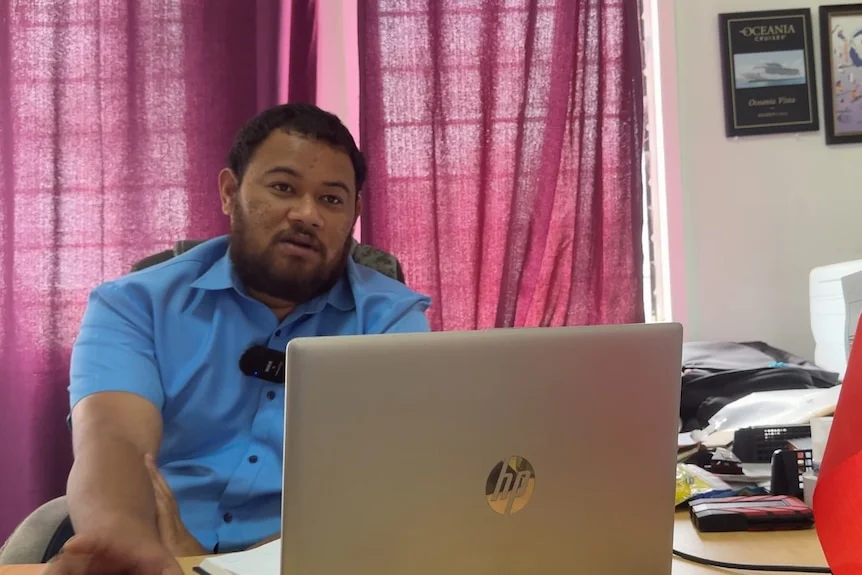
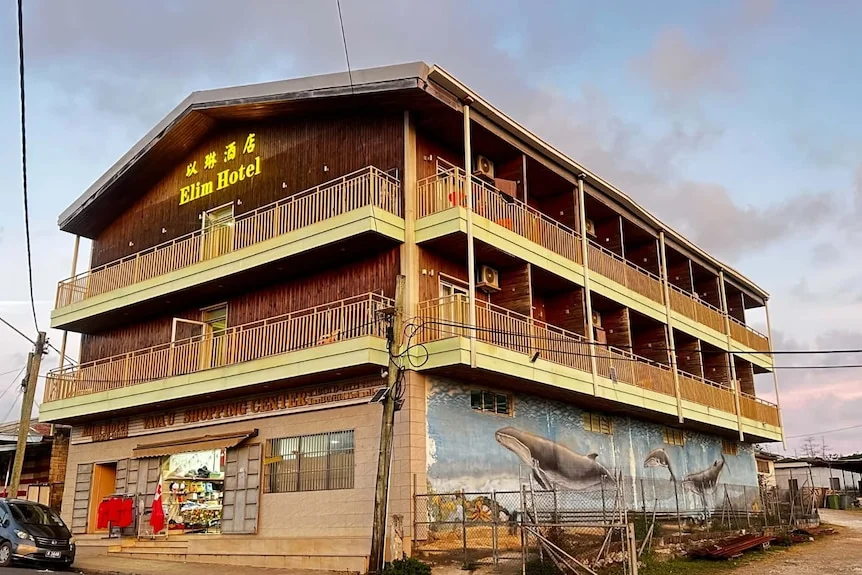
Lemoto Faka’osi, director of the Ministry of Tourism Vava’u, said multiple operators had received warnings. The Elim Hotel was among them: its licence was suspended for six weeks, and its fleet cut to one boat after guests posted footage of themselves diving with whales.
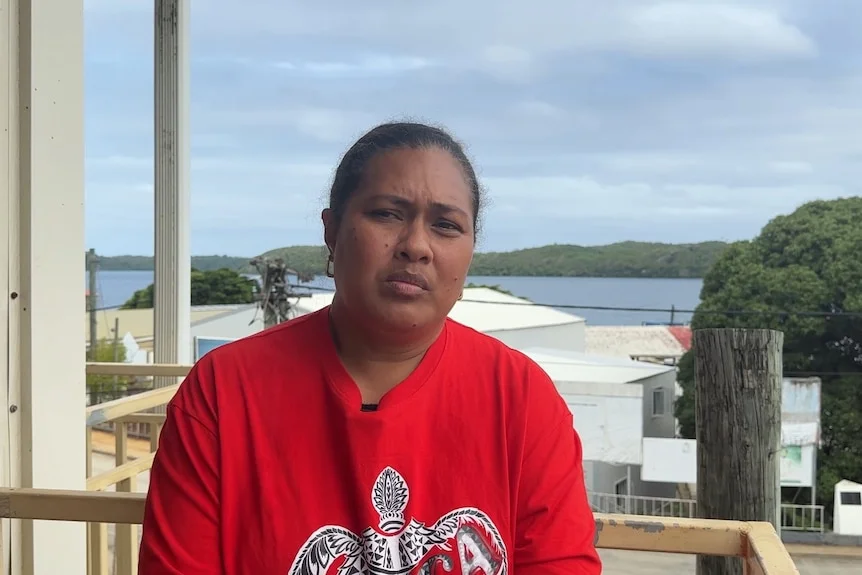
Elim manager Lepolo Foliaki said the guests were responsible for the violations.
“There is no point hiding it, I will tell the truth: they broke the rules,” she said.
“Diving down underwater is prohibited, but they did it.” Foliaki said the hotel had learned that its advertising needed to state clearly that diving was prohibited, and that the person responsible for its promotions should ensure the claims were accurate.
A growing industry, a crowded encounter
Humpback whales were once hunted close to extinction. About 2,000 now visit Tonga’s waters each year. The government introduced whale-watching restrictions in 2006, capping licences at 13. That limit had risen to 20 by 2020; the latest list names 25 licensed operators in Vava’u alone. Most companies are foreign-owned.
Visitor numbers grew too. The most recent figures show the number of whale watchers more than doubled between 2006 and 2019, from 9,804 to 20,018.
Vaipulu worries that more boats and swimmers are crowding whales and their calves. “Sometimes, while a mother is nursing her calf, some people swim over just to watch the calf feeding because they are curious about it,” he said.
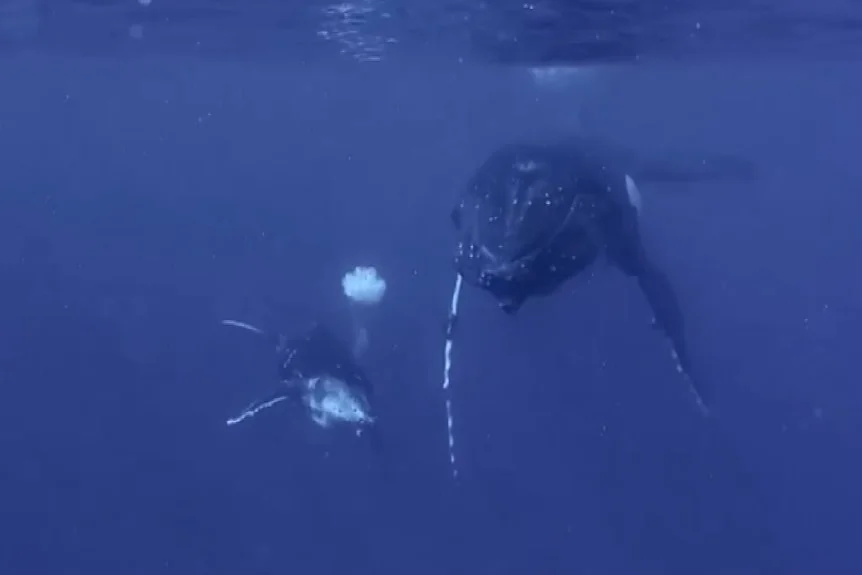
Auckland University of Technology research found that mothers can spend up to three times longer underwater when tourists are swimming with them. Lorenzo Fiori, who conducted the research in 2019, also found low compliance with Tonga’s regulations.
Rest periods are part of the conservation question
One concern is easy to miss amid arguments over tour numbers: whether whales get enough time to rest between encounters. “We found that whale resting time between interactions with boats and swimmers was often disregarded,” a researcher told the ABC. Karen Stone, environmental protection director at the Vava'u Environmental Protection Association, said swimming with whales can alter their natural behaviour. She warned that disturbing behaviours important to the population’s sustainability could threaten its long-term health.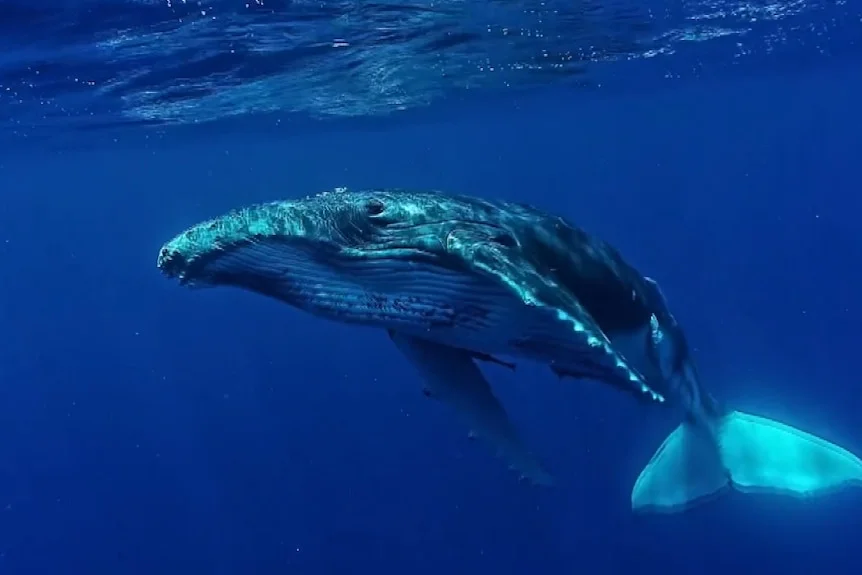
Who should receive a licence?
The dispute has also reached the courts. Locally based tour operators are challenging the Tongan government over licences, with Alistair Coldrick arguing that officials haven’t followed their own rules. He says those rules tie licence decisions to whale conservation and protection. His concern is that issuing more permits would add pressure to whales already facing frequent encounters. The ABC says it has asked the government to respond but hasn’t received a reply.