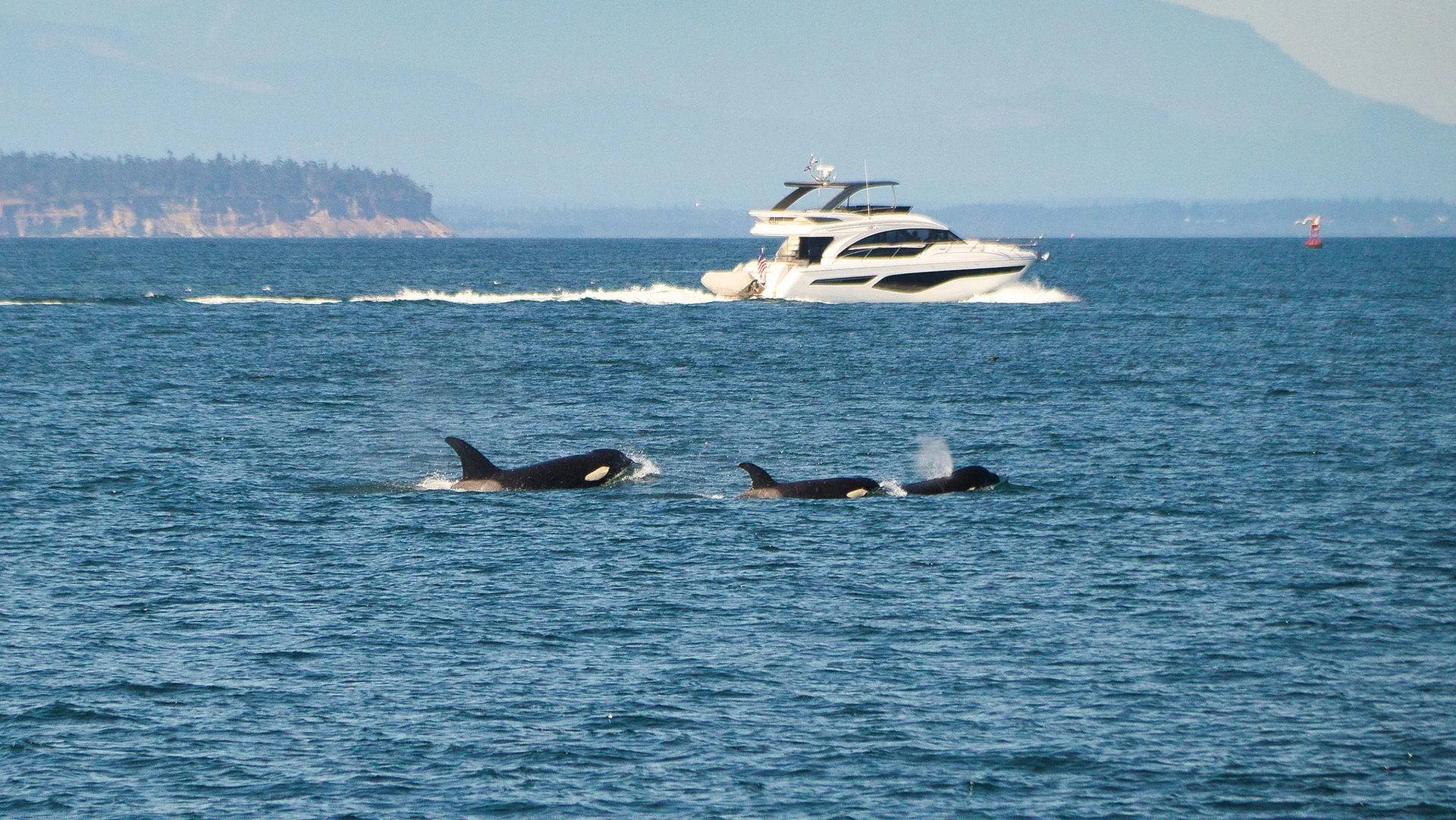
Repeated orca attacks on boat rudders may be more than a reaction to a passing vessel. Cognitive psychologist Christian Frings proposes that the whales could be acting to produce an effect they’ve learned to anticipate: the sensation or appearance of a damaged rudder and a boat that handles differently. His theory adds a possible layer to explanations ranging from imitation to play, while leaving the animals’ underlying motivation unanswered.
For roughly six years, some orcas have damaged or destroyed rudders in encounters with boats. The behavior has drawn explanations including play, revenge, a warning to keep away from the pod, and cultural transmission. Frings, who studies how people control their actions, argues that action-control theories developed in human psychology could help make sense of the incidents.
Frings is chair of general psychology and methodology at Trier University in Germany. He doesn’t research orcas directly, and says his interest lies in whether principles of human action control might also apply to other animals. In a commentary published Sept. 8 in Animal Cognition, he presents orcas as a possible test case for studying how animals anticipate the results of their actions and act to bring those results about.
Starting with the expected effect
Action-control frameworks describe how an agent can use an anticipated outcome to guide a movement. In Frings’ example, turning on a light begins with an expectation of a brighter room. That anticipated visual change can bring a learned motor program to mind—the movements needed to press the switch—and the action follows.
“The most important point is that agents — humans and maybe orcas — control their actions by actually anticipating the behavioral and the sensory consequences of their actions,” Frings told Live Science. In this account, the expected effect helps select the action that produces it. A person doesn’t need to consciously plan every muscle movement to turn on a light; similarly, Frings says, explaining orca behavior through anticipated effects wouldn’t require attributing human-like reasoning to the whales.
Applied to rudder damage, the idea is that an orca might have learned what happens when it strikes or manipulates a rudder. It could then repeat an action sequence because it expects a particular sensory or behavioral result. That result might involve the feel of the interaction, the appearance of the damaged rudder, or the movement of the boat afterward.
Frings is careful about the limits of this proposal. It doesn’t establish that an orca is trying to sink a boat, frighten people or cause harm. Nor does it identify why a whale might want the effect it anticipates. “Why they want this effect is a secondary question and while of course interesting it touches a quite different topic,” he said.
How the proposal differs from other explanations
Two common accounts focus on a stimulus that triggers a response, or on one animal learning by watching another. Under a stimulus-response explanation, the rudder itself prompts an approach or attack. A cultural-transmission account would involve an orca observing another whale damaging a rudder and copying what it sees. Researchers have also considered whether observational learning could help spread the behavior.
Frings isn’t arguing that these possibilities are wrong. His suggestion is that they may not describe the whole process. An orca could learn from another whale, respond to a feature of a vessel, and also act with an expected outcome in mind. Those explanations address different parts of the behavior, and the commentary adds a framework for considering how an animal might choose an action based on what it has learned that action produces.
He compares the possibility to a human baby moving an arm or leg to explore the effects of movement, or babbling while developing language. These examples don’t show that orcas and infants have the same motives or abilities. They illustrate a more limited point: some actions can serve as ways of testing what happens when an animal does something.
“I would not call it [their behavior] play, but maybe they’re just testing or probing what kind of effect they’re going to produce,” Frings said. He presents that as a hypothesis, not a finding about what orcas are thinking. The distinction matters: the action-control account concerns how an expected effect might shape behavior, not why that effect appeals to an animal.
A possible way to test the idea
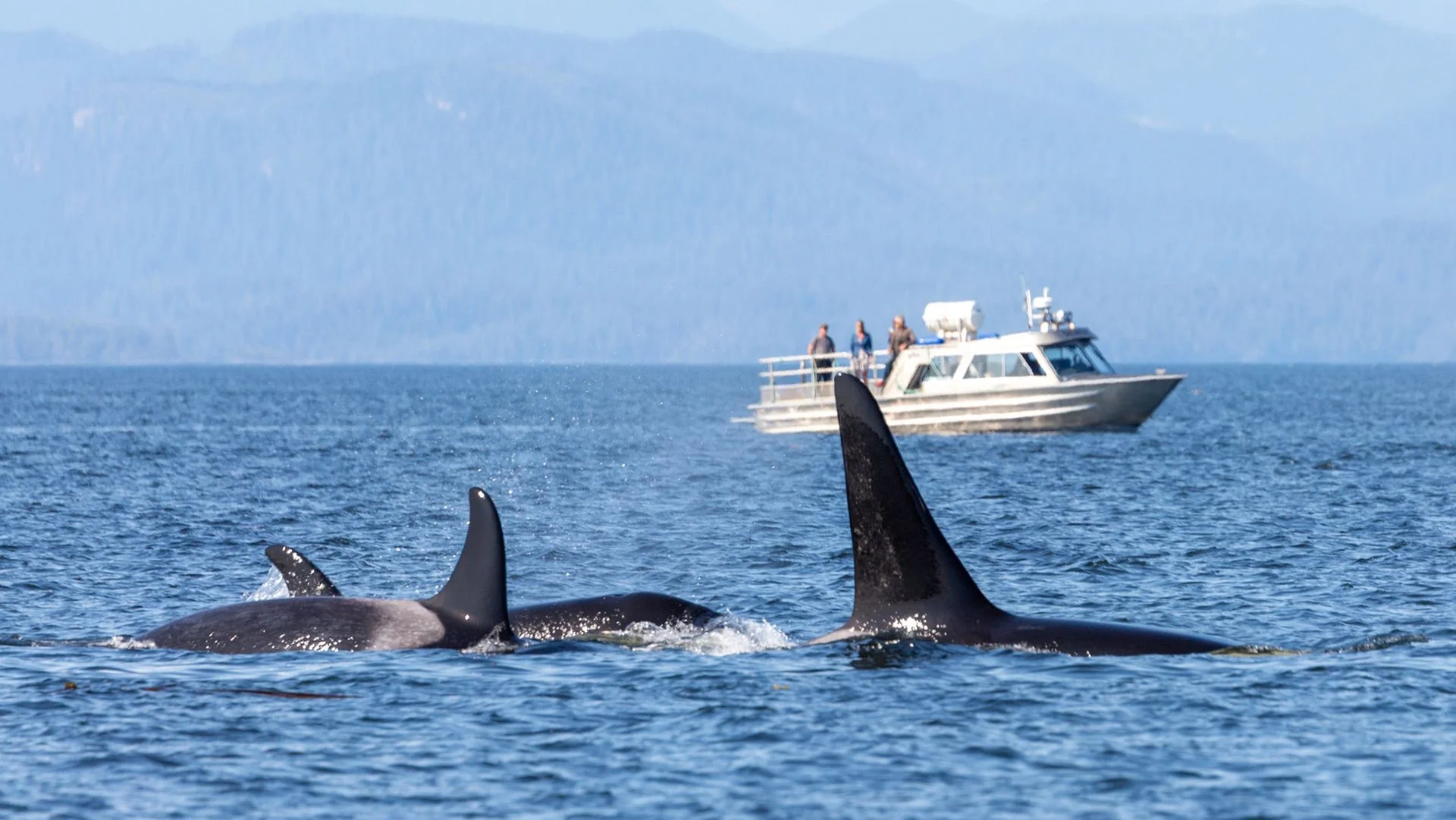
If orcas act to create an expected outcome, changing that outcome could affect what they do. Frings has suggested that researchers could explore this by testing whether a different rudder design changes the consequences of an attack. For instance, a boat might remain maneuverable after its rudder is struck. If the whales’ behavior depends on producing a particular effect, disrupting the link between their actions and that effect could lead them to behave differently.
That’s a possibility for investigation, not a field-ready recommendation. Frings warned that altering a boat’s response could prompt the animals to try another behavior, potentially one that is more dangerous. He said he wouldn’t suggest testing the idea on a boat carrying people. The theory offers a way to frame experiments, but it doesn’t predict how orcas would respond to a changed vessel.
The proposal’s broader value, Frings argues, is that it could help researchers develop action-control models that apply across species. Existing frameworks often focus on people or on particular groups of animals, such as great apes. If similar principles help explain behavior in orcas, the result could support a family of models for studying how different species act on anticipated outcomes.
It also brings a laboratory-based approach into the study of behavior in the wild. Frings says action-control research is often conducted under tightly controlled conditions, but he sees no reason to assume that models developed in the lab can explain only laboratory behavior. The orca incidents offer a real-world case for asking whether those models can travel beyond the settings where researchers typically test them.
The commentary doesn’t settle why orcas interact with boats, or whether anticipated effects are driving the behavior. Its contribution is narrower: it asks researchers to consider whether the whales’ actions might be organized around outcomes they have learned to expect. If evidence supports that account, the next challenge will be identifying which effects matter to the animals and testing how reliably changing those effects changes their behavior.
This interview has been condensed and edited lightly for clarity.
Related coverage includes reporting on new orca behaviors, an interview about the fishing industry, and research on sediment and dams.
Help improve Live Science Pro: Share feedback here.


