Mater Health’s plan to outsource pathology services puts about 430 jobs at risk, with the first departures expected within weeks. The decision affects staff at its South Brisbane and Springfield hospitals and has triggered a union dispute over the short window for consultation and redeployment.
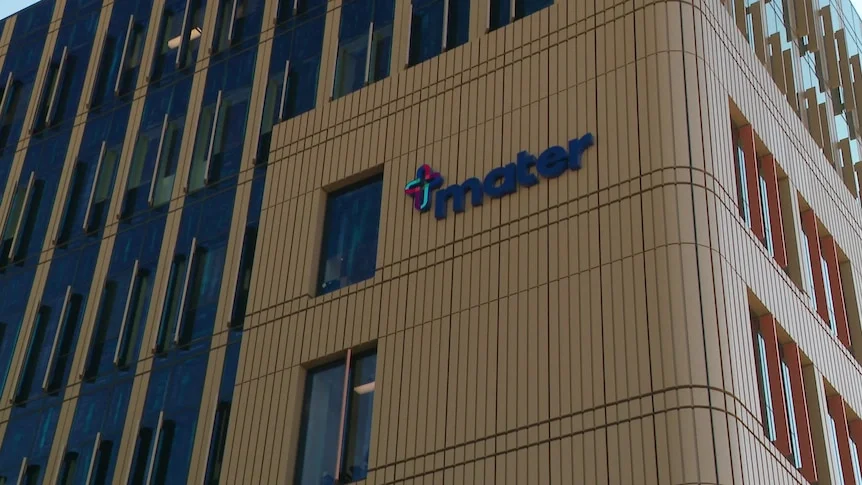
More than 400 pathology jobs are affected across two Mater hospitals. (ABC News)
A compressed transition for staff
Mater announced the outsourcing on Monday. More than 100 positions are due to go within the next two months, with most of the remaining affected roles ending next year.
Together Queensland has asked Health Minister Tim Nicholls to press Mater to pause the first round of job terminations until consultation and redeployment processes are complete. The union says workers were told their jobs were at risk on Monday and had until Friday to apply for a small number of roles that will remain.
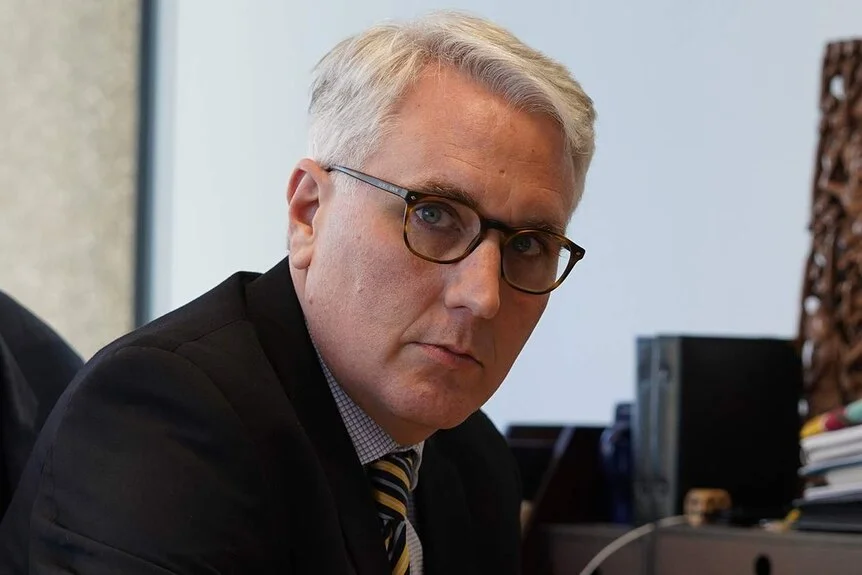
Together Queensland branch secretary Alex Scott. (ABC News: Curtis Rodda)
Branch secretary Alex Scott said the affected workforce includes scientists, technicians, collectors and support staff, many with years or decades of service. He called the proposed process inadequate for a change affecting 430 positions.
"Three weeks of consultation and a seven-day redeployment window for a change affecting 430 positions is not a genuine opportunity to explore alternatives, and it leaves workers counting down to redundancy."
Mater says the consultation and redeployment period complies with its enterprise agreements. It also extended the deadline for expressions of interest in five roles. The organisation said it would work with employees and union representatives.
Together Queensland has sought urgent talks with Mater and raised a formal dispute under the relevant agreement. It has also asked the organisation to guarantee that public patients won’t face additional out-of-pocket costs as a result of the new arrangements.
Workers describe shock and uncertainty
A casual Mater Pathology employee, who asked not to be named, said staff had heard rumours of a restructure but didn’t expect the service to close. She described leaving Monday’s meeting and telling her husband that the workforce had effectively been fired.
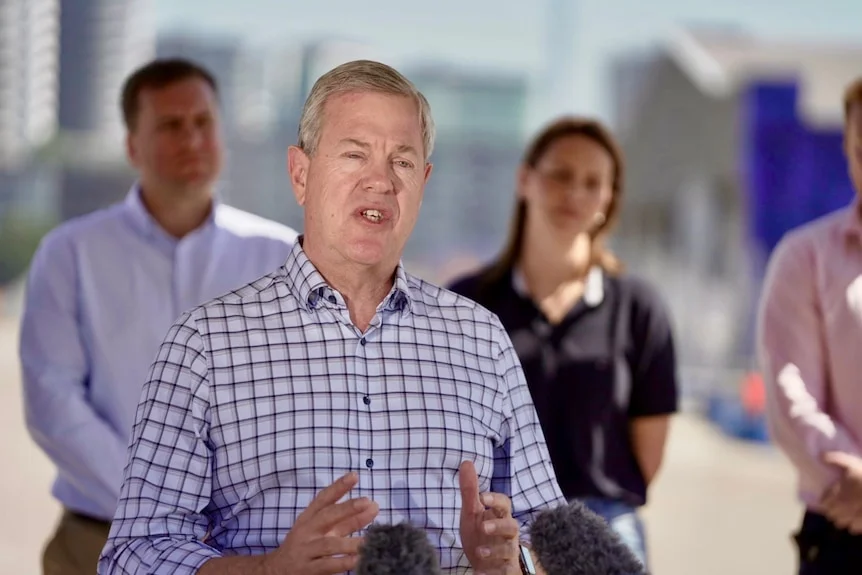
Health Minister Tim Nicholls said Mater had discussed continuity of services with the government. (ABC News: Lucas Hill)
The employee has three young children and said she would need to find work quickly to meet household bills. As a casual worker, she fears her shifts could end at short notice while remaining work is allocated to permanent staff. She also said the announcement had shaken her view of the organisation’s values.
Mater said Medicare funding had not kept pace with the rising cost of pathology services. It described the decision as difficult and said it did not reflect on the capability, professionalism or commitment of its pathology staff.
New providers to deliver pathology
Under the new model, Mater plans to use specialist providers including Sullivan Nicolaides Pathology and Pathology Queensland. Mater says private hospital operators across Australia use this approach, which it expects will direct more resources to clinical care.
Mater says it will work with staff affected by the changes. (ABC News: Mark Leonardi)
Speaking at a press conference, Nicholls said he felt sorrow and sympathy for staff facing job losses. He said Queensland Health had contacted Mater about continuing services and that the organisation had assured the department there would be no interruption to pathology for its patients. His office did not respond to specific questions about the union’s request for intervention.
Scott said the timing would add pressure for workers and their families, citing rising living costs and an interest rate increase shortly before Christmas. The dispute now turns on whether Mater’s consultation and redeployment process can address staff concerns while the provider transition proceeds.
Sullivan Nicolaides Pathology is among the specialist providers planned for Mater’s new service model. (7pm TV News QLD)
Mater received $821 million in Queensland government funding last financial year for public health care, according to the Department of Health’s latest annual report. The transition’s next test will be continuity of patient services alongside the job changes scheduled over the coming months.


