A child’s death marks a grim milestone
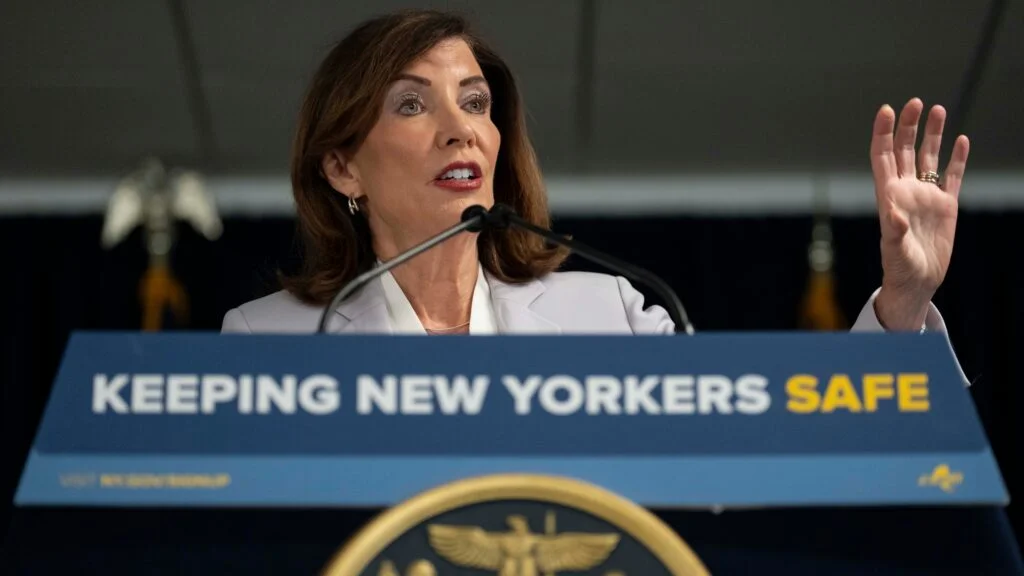
A child in Lewis County, in northern rural New York, has died after contracting measles, Gov. Kathy Hochul said Monday. The death is the state’s first from the disease in three decades. That long gap can make measles deaths feel remote, but the case shows how quickly a preventable infection can become a local emergency when the virus reaches people with less protection.
The announcement also shifts the discussion from case counts and public health orders to the consequences for families and communities. The source provides no details about the child or the circumstances of infection, so the significance rests in what is known: measles caused a death in a state that had gone decades without one.
Vaccination coverage and the national toll
Measles spread was halted within the United States in 2000 after vaccination rates reached levels high enough to contain the virus. Coverage has since slipped below 95%, the threshold needed to prevent outbreaks. That benchmark matters because measles is highly contagious: protection has to be widespread enough to limit the virus’s ability to move through a community, including among people who can’t be vaccinated or don’t develop protection.
Coverage below that level doesn’t mean every community will experience an outbreak, and a national average can obscure local gaps. But it does leave less room for error when cases arrive. This is more significant than it looks: the difference between a contained case and sustained spread can depend on how many people around an infected person are protected.
Hochul called the child’s death “a devastating reminder of what’s at stake when Washington deliberately erodes decades of progress in protecting Americans from preventable illnesses.” Her statement assigns political responsibility, while the underlying public health problem is measurable in vaccination coverage and confirmed infections. Readers should keep those two points distinct: the governor’s words are an argument about policy, and the reported death is a consequence of measles infection.
The Centers for Disease Control and Prevention has confirmed three measles-associated deaths nationally this year. State health departments have reported more: Pennsylvania officials count five deaths and are investigating a possible sixth. Those figures show why national tallies can lag or differ from state reporting; they also make clear that the New York death is part of a wider toll, not an isolated statistic.
New York’s emergency measures
In early October, Hochul declared a disaster emergency in response to cases in neighboring states and rural parts of New York. The order expanded who can administer measles vaccines to include paramedics, midwives and others. It also authorized nurses, alongside doctors, to order testing. Those changes widen the number of health workers able to act, which may matter in rural areas where access to clinicians can be more limited.
More people who can give vaccines may help reduce practical barriers, while broader authority to order testing can support faster identification of suspected cases. Neither change guarantees that people will seek vaccination or that cases will stop. An emergency order can make services easier to provide; it can’t by itself restore community coverage.
The Lewis County death puts a human cost on falling vaccine coverage. The state’s expanded vaccination and testing capacity is now part of its response as measles cases continue to be reported nearby. The measures also make the response less dependent on a narrow set of providers at the moment when early action can matter most.
What the response will depend on
For public health officials, the next challenge is turning expanded authority into protection people can access and trust. That means clear information about where vaccination and testing are available, alongside attention to local coverage gaps. If you’re working in this space, the central question is whether the state’s added capacity reaches the communities facing exposure.
Here’s the thing: the order addresses the mechanics of response, while the longer-term problem is whether vaccination coverage rises enough to make outbreaks harder to sustain. (And this is the part most people overlook.) A wider pool of authorized vaccinators is useful only if people can reach them and choose vaccination. The immediate loss is irreversible. The public health work that follows is not.


