A death linked to dairy exposure
Washington state has recorded its first U.S. bird flu death in a year: a Yakima County resident with underlying health conditions who was hospitalized after exposure to infected cattle at a dairy. The person died Sunday, county health officials said. The case brings a severe outcome into focus at a time when the reported risk to the general public remains low, according to the CDC.
The person’s underlying health conditions are part of the known context, but county officials haven’t released further information about the patient. That leaves important details about the course of the illness and the exposure unavailable. A single case can’t establish how H5N1 will affect other people exposed to the virus, but it does show why officials continue to track individual infections closely.
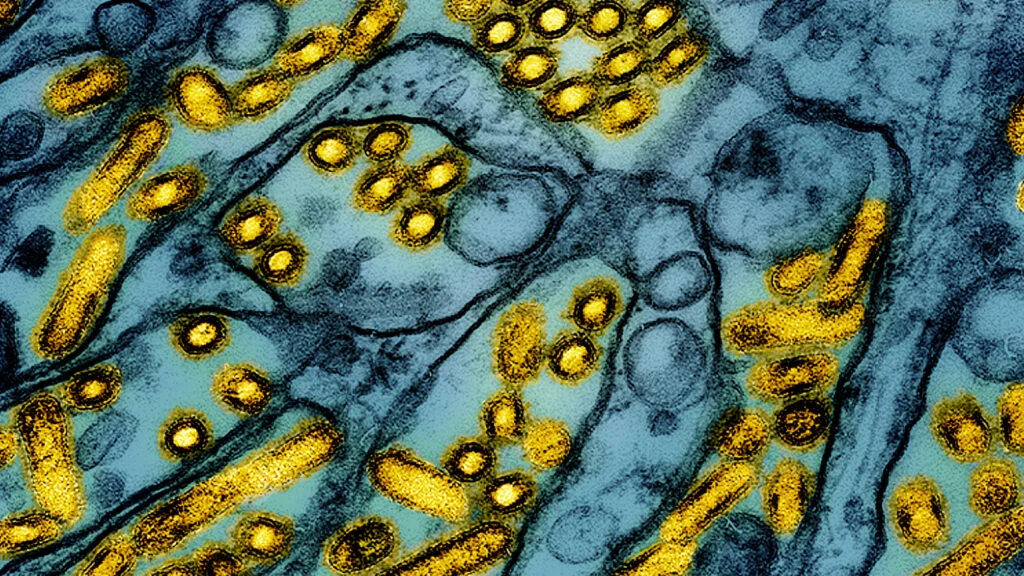
The CDC identified the infection as H5N1. Genetic analysis found no changes associated with easier transmission or more severe disease, a CDC spokesperson said Monday. That finding addresses specific changes in the virus; it doesn’t erase the seriousness of this patient’s illness or determine what might happen in a future infection.
Dairy exposure remains the focus
Thirty-three dairy herds in Yakima County have recently tested positive for H5N1, according to local officials. Three human infections have been linked to dairy exposure. The Yakima Health District and state health department are tracing close contacts and monitoring them for symptoms.
The herd detections and human cases describe two related parts of the response: identifying where the virus is present in animals and checking whether people who may have encountered it become ill. Contact tracing helps health officials monitor people who were close to a case, while symptom monitoring can help direct attention if someone’s health changes. It doesn’t, by itself, mean that the virus is spreading among people.
For workers and others around infected cattle, exposure is the immediate concern. If you’re working in this space, the distinction matters: the reported risk to the public is low, but people who handle sick animals or work in contaminated environments can face greater exposure. The response depends on recognizing that difference without treating it as evidence of person-to-person transmission.
How this death fits the U.S. record
The latest death is the third U.S. fatality associated with bird flu since the virus became a national public health concern in 2024. An elderly Louisiana resident died from H5N1 in January 2025. In November 2025, a Washington resident died after contracting the rarer H5N5 strain. The current case is the first U.S. bird flu death in a year.
Those deaths involve different circumstances, including infections with different strains. They shouldn’t be read as a single pattern of severity. The available information in this case points to H5N1 and underlying health conditions, but county officials haven’t released enough detail to compare the patient’s illness with earlier cases.
Three deaths across that period are a serious record, but they don’t tell the whole story of risk. The CDC has recorded more than 70 human infections in the United States since early 2024, and the source reports no known person-to-person transmission. Cases tied to animal exposure and evidence of spread between people are different signals; keeping them distinct is necessary for judging what officials know.
Animal spread keeps monitoring in place
H5N1 has circulated for years among wild birds, poultry, cattle and other animals. Its spread into U.S. livestock in early 2024 raised concern that more people could encounter the virus through contact with infected animals or contaminated environments. That concern is practical: the more settings in which the virus is detected, the more important it becomes to identify exposures and watch for illness.
The CDC has recorded more than 70 human infections in the United States since early 2024. The agency reports no known person-to-person transmission and assesses the risk to the general public as low. Farm workers and others who handle sick or dead birds face greater exposure risk. A low population-wide assessment can sit alongside higher risk for specific groups, because people’s chances of contact with infected animals differ.
Health officials advise people handling poultry to wear respiratory and eye protection and gloves. That guidance reflects the route of concern described here: contact with sick animals or contaminated environments. Protective equipment is a practical precaution, not a claim that every animal encounter leads to infection.
What the findings mean next
The CDC’s genetic findings offer no evidence that this patient’s virus had acquired changes linked to greater severity or easier spread. That’s reassuring on those specific points, but it can’t answer every question about the case or remove the need to monitor exposed people. Genetic analysis, patient information and animal testing each contribute a different piece of the picture.
Here’s the thing: the concentration of positive dairy herds makes exposure monitoring central to the response, even as the public risk assessment remains low. This is more significant than it looks. Public health teams have to follow the animal detections and the human cases together, while avoiding claims that the evidence doesn’t support.
And yet, the available facts don’t establish a change in how H5N1 spreads among people. The case is linked to dairy exposure, and the CDC spokesperson reported no genetic changes associated with easier transmission or more severe disease. For now, that’s the clearest distinction in the record. A monitored exposure, with unanswered details.
— Mike Stobbe
The Associated Press’ health and science coverage receives financial support from the AP Fund for Journalism and private foundations. AP is solely responsible for all content. Find AP’s standards for working with philanthropies, a list of supporters and funded coverage areas at AP.org.


