
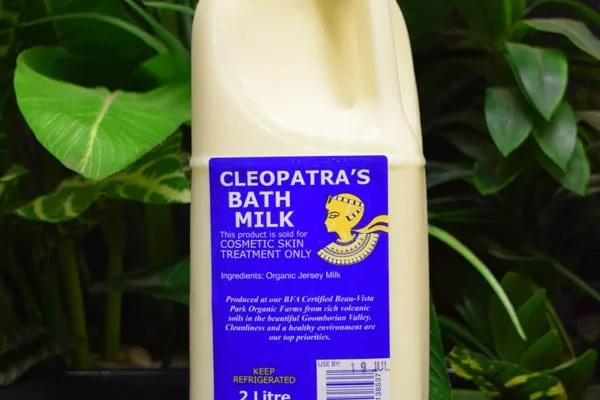
Raw milk is turning up in Australian homes under labels like "bath milk" and pet food, and a growing number of people are drinking it anyway. Medical experts want that gap closed, and they're pointing a finger at online communities that market these products with a wink.
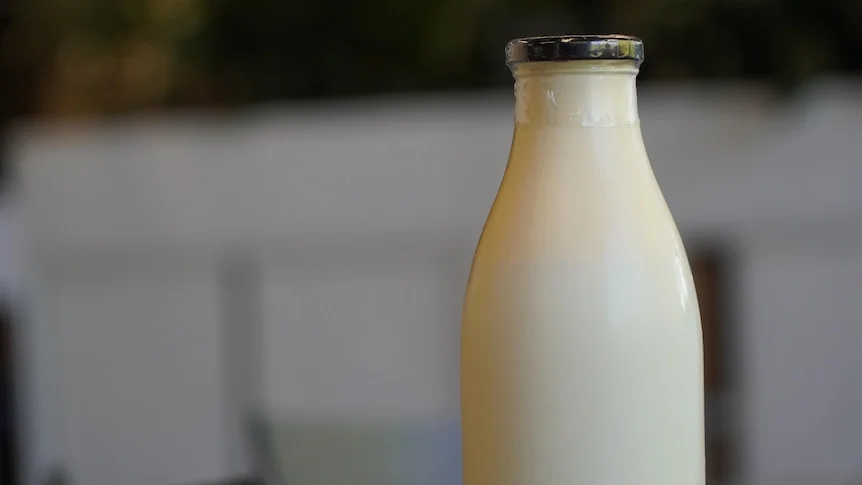
Pasteurisation is the step that matters. Heating milk removes nearly all harmful bacteria and contaminants before it reaches a shopper. Skip that step and nobody can say what's in the bottle. Erica Gannon, president of the Australian Medical Association Queensland, put it plainly: no matter how raw milk is produced, there's no way to guarantee it's safe.
What's actually in the bottle
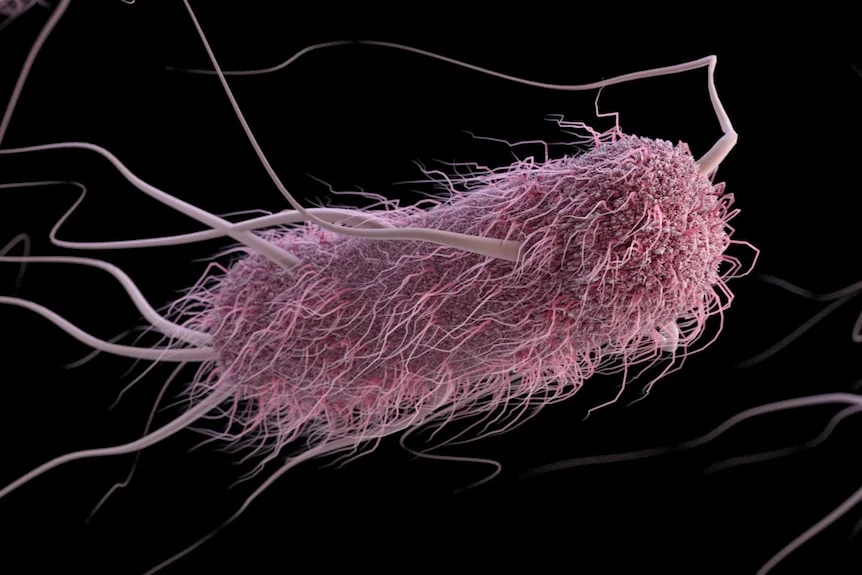
Gannon said raw milk products can contain salmonella, E. coli, staph, campylobacter and listeria. Those hit hardest are young children, older patients, people with underlying health problems and anyone with a compromised immune system.
"Those most vulnerable to illness … are going to be young children, elderly patients, people with underlying health problems, and those who may have compromised immune systems," she said.
The usual counterargument is that raw milk is somehow better for you. Gannon doesn't buy it. There's no credible scientific evidence that raw milk offers health benefits beyond regular milk.
"There's actually no substantiated difference in the nutritional status of pasteurised or unpasteurised milk."
"We certainly don't want to see tragic outcomes because of something that could have potentially been completely preventable."
A Queensland Health spokesperson urged people to "use products as per their intended use and not consume raw milk products." The department also noted that pasteurisation has a minimal effect on the nutrient value of milk and remains an important public health measure backed by scientific studies around the world.
Why the product keeps spreading
A recent national survey of 1,229 people by the Food Safety Information Council found about one in six respondents drink raw milk sold as cosmetic or pet milk. That's a lot of people buying a product that isn't meant for them to drink.
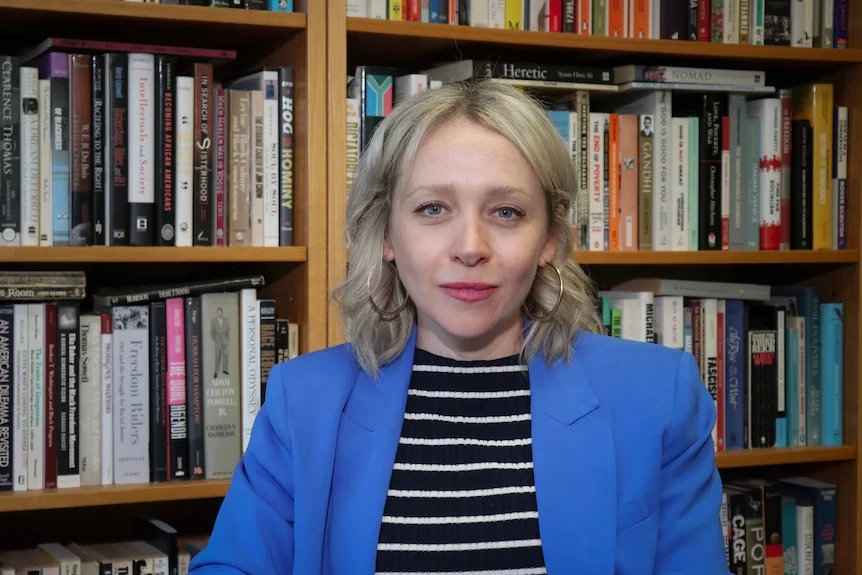
Susan Grantham, a communications expert at Griffith University, thinks money is a big part of the story. Pushing raw milk as a health product, she said, is a business opportunity. And the psychology is easy to exploit.
"We're human beings, we're looking for quick fixes … and health and wellbeing in particular require long-term gains, but we want quick gains," Dr Grantham said.
Social media algorithms make the problem worse. They're good at feeding people more of what they already engage with, so someone curious about raw milk gets served more raw milk content. Influencers and creators can then promote specific products and ideas to a receptive audience.
The fragmentation of social platforms adds another wrinkle. People who are drawn to raw milk may never encounter a dietitian or doctor in their feed. As Grantham put it, "It's a battle of who gets seen by who and who gets believed."
Education versus enforcement
Grantham said recent moves such as the digital duty of care are a step in the right direction. But she wants policymakers to stop leaning so heavily on rules and focus on teaching people how to judge what they read.
"No one has yet been able to tackle this really well to prepare that next generation for how to navigate all of this information with a lot of it being misinformation, disinformation," she said. The skill that matters, she argued, is knowing where to find the truth and which side of a story to trust.
Gannon's position is more direct. The AMA Queensland wants tighter enforcement of the rules governing how raw milk products are marketed and sold. She also wants people to understand that drinking raw milk isn't harmless, and that the restrictions exist for a reason.
"So it's important that we get the education out there that it's not a benign thing to do to consume raw milk … that those laws are in place for a reason."
She closed with a line that cuts to the core of the issue: "Because this is preventable and we certainly don't want to see any tragic outcomes because people have decided to make a quick amount of money selling a product."


