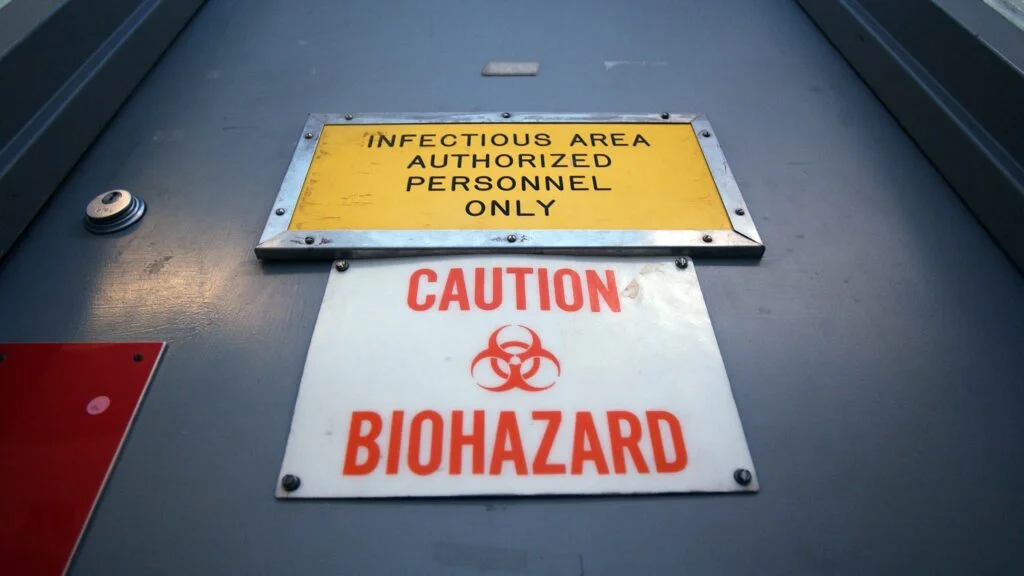
The unfolding Ebola outbreak in the Democratic Republic of Congo is not just a health crisis; it’s a multifaceted emergency that intertwines with issues of governance, security, and public health infrastructure. Current reports place confirmed cases at 101, with the World Health Organization estimating over 900 suspected cases. The actual situation may be substantially worse, highlighting shortcomings in disease surveillance systems that could complicate the broader response.
Potential for Escalating Violence
Health experts are increasingly linking outbreaks like this to rising violence, especially in regions already fraught with instability, such as eastern Congo. Recent analyses emphasize that the delay in mounting an effective response could exacerbate violence against vulnerable populations, particularly women and girls. According to health professionals, the socio-political dynamics in affected areas often lead to increased civil unrest during epidemics, creating a dire need for immediate intervention strategies.
Regional Ramifications
The outbreak's reach is expanding beyond Congo's borders, with Uganda confirming seven related infections. This cross-border spread raises immediate concerns for public health safety in neighboring nations, particularly Rwanda, which has enacted travel bans for people entering from affected areas. However, experts caution that such travel restrictions are unlikely to have a significant impact on viral transmission, as they don't address the root causes of outbreaks or ensure adequate healthcare infrastructure.
Men’s Health Initiative Stalling
While the Ebola crisis captures headlines, another critical public health effort—the establishment of a dedicated office for men’s health—is facing significant delays. Following the appointment of Admiral Brian Christine, who was initially seen as a pioneer for men’s health initiatives, the momentum appears to be stalling as political concerns rise ahead of midterm elections. Urologist Mark Edney, involved in promoting this initiative, expressed determination to see it through but acknowledged the complexities involved in navigating the political landscape.
Dynamic Leadership at FDA
Meanwhile, the FDA finds itself under new leadership with Kyle Diamantas taking the reins as acting commissioner amid a shake-up. His tenure thus far has garnered unexpected approval from both industry stakeholders and public health advocates, a significant feat considering the high turnover rate in this role. Diamantas appears to prioritize collaborative decision-making, which could lead to more stable regulatory trends at the FDA—an essential factor as the agency navigates ongoing challenges, including those related to drug approvals and food safety.
Surging Global Mental Health Challenges
The World Health Organization recently reported staggering figures on mental health disorders worldwide, estimating that 1.17 billion people live with such conditions—almost double the number from 1990. Anxiety and major depressive disorders are leading contributors, with significant increases since 2019 compared to previous years. Particularly alarming is the rising prevalence of mental health issues among youth, which is creating an urgent need for healthcare systems to adapt and respond more effectively to these challenges.
Concerns for PEPFAR's Future
Compounding these health challenges, former CDC directors have raised alarms over the future of the President's Emergency Plan for AIDS Relief (PEPFAR). Launched in 2003, the initiative has been critical in combating HIV/AIDS across the globe. With potential shifts in how the program is managed, there are fears that reallocation or reduction of funding could jeopardize years of progress made in the treatment and prevention of HIV, especially in sub-Saharan Africa where the need remains acute. This looming policy change underscores the need for strategic considerations in public health interventions.
What Lies Ahead
As these various public health stories develop, they create a complex narrative about the interconnectedness of health crises, policy, and society. The Ebola outbreak in Congo raises critical questions regarding preparedness and the responsiveness of healthcare systems worldwide, while parallel challenges in mental health and men’s health invite scrutiny into how health equity is addressed in policy frameworks. Stakeholders across various sectors must grapple with these challenges to forge pathways for effective action and prevent further deterioration of health outcomes.