Sports
Discovering Star City: The Hidden Cold War Cosmonaut Training Hub in 'For All Mankind'
Star City serves as the backdrop for Apple TV's 'For All Mankind' spinoff, showcasing its significance as a covert training facility for cosmonauts during the Cold War era.
Star City: A Hidden Chapter of Cold War Space History
If you're diving into Apple TV's new spinoff of *For All Mankind*, you're tapping into an underexplored facet of space exploration history: Star City. This closed, secretive enclave in Russia was more than just a training hub for cosmonauts; it served as a crucible for the Soviet Union’s ambitions in the space race.
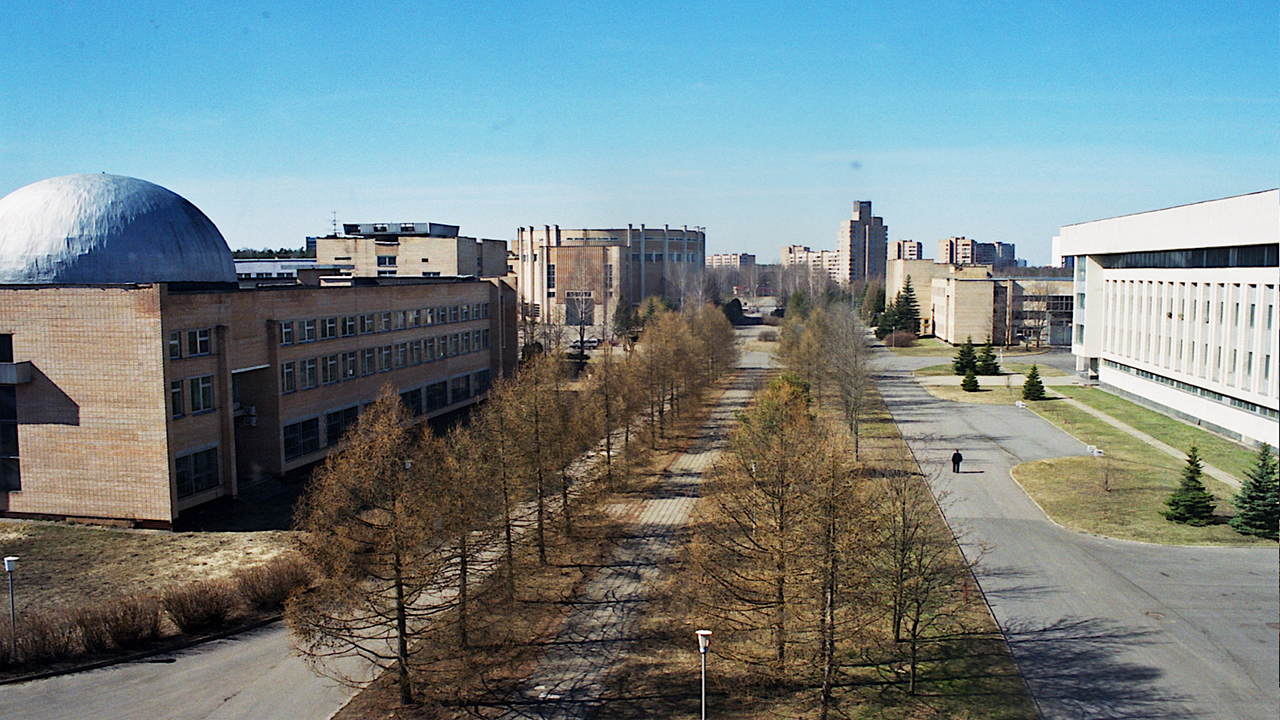
Famed not only for its rigorous training programs but also for its unique location nestled in the trees, Star City represents a blended world of military rigor and pioneering spirit. Think of it as a mix between a military base and an elite university for space, where the next generation of space-bound heroes undertook challenges that pushed them to the limits of human capability.
The significance of Star City can't be overstated. It played a pivotal role in the Cold War, cementing the USSR's standing as a formidable competitor in space. The narratives emerging from this hidden town are as rich and complex as the missions undertaken by its residents. From the stories behind the rigorous training regimens to the psychological pressures faced by aspiring cosmonauts, understanding Star City offers insight into the broader themes of ambition, secrecy, and the quest for knowledge during one of the most competitive eras in modern history.
For viewers and space enthusiasts, this spinoff not only entertains but also illuminates the lesser-known aspects of space history. It raises questions about how these actualities differ from the dramatized storylines we see on screen. What does it mean to explore the unknown, and at what cost?
So, if you're venturing into the world of *For All Mankind*, keep an eye on Star City. Its legacy is a crucial part of the narrative tapestry surrounding human aspirations in space. As you watch, consider how the threads of history and fiction intertwine, pulling you into a universe both familiar and strange.The Image of Star City
Star City isn’t just a backdrop for Apple TV's narrative; its enigmatic presence is loaded with historical intrigue. Concealed in Russia, this facility served as a training ground for the Soviet space program during the Cold War, forging astronauts who would venture into the cosmos. But what makes it particularly fascinating is the secrecy surrounding it. For years, outsiders speculated about the activities within its walls, which were guarded vehemently, creating an almost mythological aura about the place.
If you're immersed in the tech space or following the latest in space exploration, understanding the significance of Star City reveals more than just a training facility—it embodies a critical intersection of geopolitical tensions and technological advancement. Space enthusiasts often romanticize the idea of space exploration, yet the historical reality shows a stark contrast. The achievements of these cosmonauts were not only a testament to human ingenuity but also a reflection of the intricate web of rivalries and alliances during the Cold War era.
This is more than a mere plot point for a television series; it’s a nod to our ongoing fascination with what lies beyond Earth and the lengths to which nations will go to secure their place in that eternal expanse. By highlighting Star City in "For All Mankind," the series invites viewers to ponder not just the glory of human spaceflight, but the broader narratives of ambition, secrecy, and the imperative of exploration that continues today.
Training for the Stars
The rigorous training regimen at Star City has also been a subject of intrigue. Astronauts underwent grueling simulations designed to prepare them for the myriad challenges of space. This environment wasn’t merely about technical skill; it sculpted the very mindset required to thrive in the isolation and fear that can accompany space travel.
What this means for future explorations is significant. As we advance toward private space missions and a potential Martian colony, lessons learned from Star City's past will be invaluable. Future astronauts will need to build resilience, both mentally and physically, in ways this storied training program perfected decades ago.
Ultimately, the legacy of these early cosmonauts transcends their individual feats. Their experiences provide insights into how we prepare for the unknown, serving as a reminder of the human spirit's enduring quest to explore and conquer the final frontier.Conclusion: A Look Ahead
The upcoming launch of Apple TV's "Star City" on May 29 signals a significant turn in how we engage with historical narratives in entertainment. This 10-episode series isn't just another fictional recounting; it offers a perspective rarely explored—an alternate history where the USSR claims the moon landing. Framing a tale around the real-life Star City, a secretive training ground near Moscow for cosmonauts, adds layers of intrigue that extend beyond mere dramatization.
What’s remarkable here is the opportunity for viewers to grasp the complexities of the space race through different lenses. This kind of storytelling could spark a resurgence of interest in the intricate details of space history, pushing audiences to think critically about the narratives we're familiar with. If you’re in the industry, consider how these alternative viewpoints not only shape public understanding but also influence future content creation.
But let’s not overlook the challenge that lies ahead—interpreting a historical event like the moon landing through a fictional narrative opens the door to a variety of interpretations, some of which could rub history purists the wrong way. Expect debates on the accuracy and ethics of such portrayals to surface as soon as the show airs.
Ultimately, "Star City" represents more than just a new series; it’s a lens through which history is revisited. As we stand on the brink of its release, one can only speculate how this narrative will resonate with both history buffs and casual viewers alike. Will it foster curiosity about the real intricacies of space exploration, or simply become another entertaining but removed fictional piece? Time will tell, but the potential to ignite discussion is undeniable.
As for how you might use this information? Keep an ear out for viewer reactions and critiques—they may signal shifts in how similar stories are crafted in the future. You’ll want to be ahead of the curve, especially as the lines between historical fact and creative fiction continue to blur.