Technology
FAA Suspends SpaceX Starship V3 Operations Following Flight 12 Incident
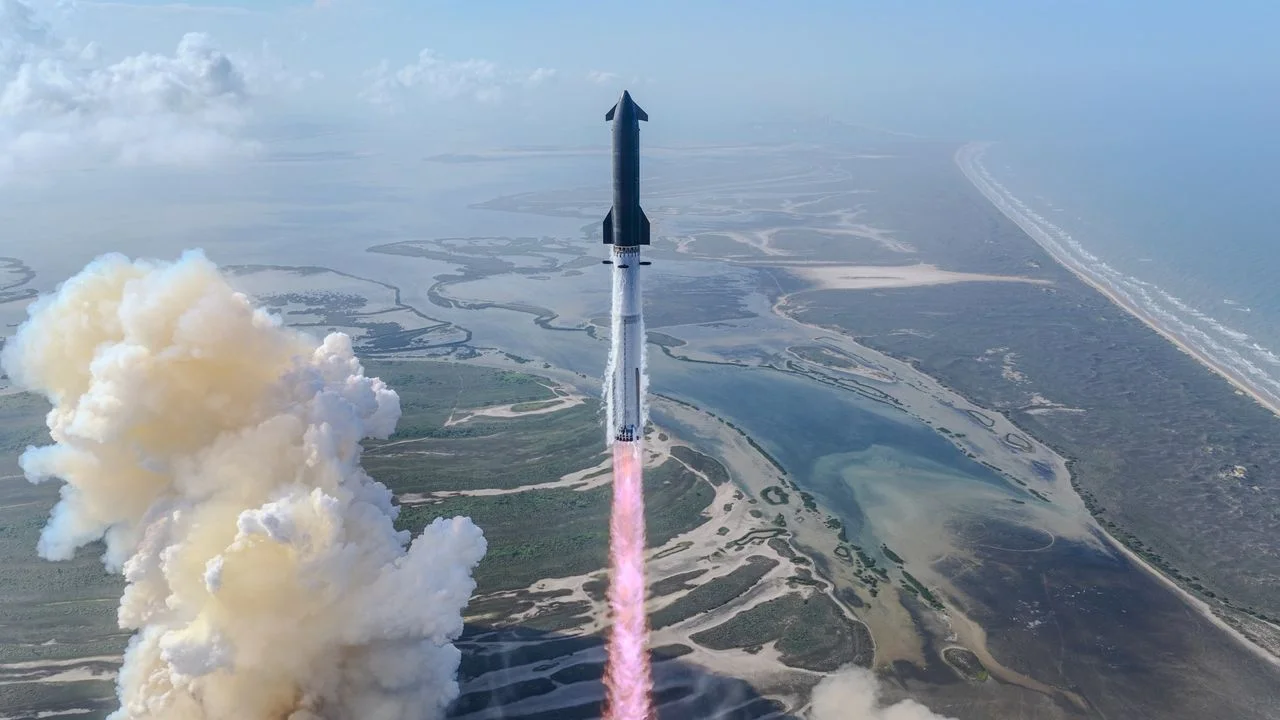
SpaceX's Starship V3 megarocket has been grounded by the FAA after a 'mishap' during its Flight 12, halting its return to flight until further safety evaluations are conducted.
## FAA Grounds SpaceX's Starship V3 After Flight Incident
The Federal Aviation Administration has put a halt to SpaceX’s ambitious Starship V3 project following a concerning mishap during the recent Flight 12. This incident marks a pivotal moment for SpaceX, as its efforts to propel the next generation of rocket technology are now under scrutiny. While onlookers and space enthusiasts eagerly awaited a successful launch, the FAA's decision reveals the weight of regulatory oversight in this high-stakes arena.
According to FAA protocols, any future flights involving the Starship vehicle hinge on a thorough review of the mishap. Importantly, the agency confirmed that a return to flight can only be authorized once it determines that the systems and procedures associated with the incident do not jeopardize public safety. This guideline speaks volumes about the balance SpaceX must maintain as it pushes the boundaries of aerospace innovation while ensuring compliance with essential safety standards.
What does this mean for SpaceX moving forward? The delay could extend the timeline for significant milestones, and it may require the company to revisit its engineering and safety practices. This isn't just a setback; it's a reminder that rapid advancement in technology must coexist with stringent safety measures. For industry watchers, the key question now is: how will SpaceX adapt its strategies in response to this challenge? The path to innovation is rarely straight, and this event serves as a crucial juncture in SpaceX's journey.
As the situation unfolds, stakeholders will be keenly observing how SpaceX navigates this regulatory landscape and what changes, if any, it implements to restore confidence in its next attempts. This incident underscores the delicate dance between aspiration and accountability in the world of aerospace exploration.
Sharing Dynamics and The Social Media Pulse
The decision to ground SpaceX's Starship V3 isn't just another regulatory move; it's a flashpoint for broader discussions on the interplay of technology and accountability. Social media platforms are abuzz with reactions, and if you’re keeping an eye on the climate of public opinion, the metrics are dynamic. Right now, engagement is at a fever pitch.
Consider the implications of this grounding. It's not merely a setback for SpaceX but raises essential questions about safety and oversight in an industry that has often danced on the edge of innovation and recklessness. The FAA’s intervention sends a clear message: the stakes are high, and protocols must be followed. This isn’t just about one rocket; it’s about the integrity of space exploration itself.
What makes this situation especially noteworthy is the shift in discourse across platforms like Twitter and Facebook. The potential for rapid information dissemination means that opinions can shift quickly, influencing perceptions of SpaceX and its ambitious plans. The data doesn’t fully explain how sentiment fluctuates based on immediate reactions, but monitoring the conversation reveals an intriguing trend. Voices in favor of stringent regulations are gaining traction while advocates for rapid exploration voice frustrations over bureaucratic delays.
If you're in this sector, understanding the social dynamics at play could influence strategy. Are you aligning your communications with evolving public sentiment? Are you prepared to adjust in real-time based on feedback from these platforms? The ongoing dialogue about SpaceX also serves as a reminder that public trust can be as crucial as technological prowess. Keeping tabs on this unfolding narrative could shape the next steps for stakeholders across the industry.
This grounding is a pivotal moment to watch. Will it embolden regulators, or could it galvanize support for more aggressive private sector initiatives? The unfolding narrative is a testament to how intertwined regulation and innovation truly are in today’s fast-paced world of aerospace.A Setback for SpaceX: What It Means for the Future
Just five days after unveiling its ambitious Starship V3, a significant setback has emerged. The Federal Aviation Administration (FAA) has classified the recent launch as a mishap, necessitating a thorough investigation before SpaceX can resume operations with this powerful rocket. The agency's decision implies a rigorous evaluation of safety protocols, which raises important questions about what this means for SpaceX's future plans.
This incident is not just a regulatory hurdle; it brings to light the challenges that come with pioneering new frontiers in space exploration. The FAA's involvement underscores the necessary oversight that accompanies advancements in aerospace technology. Their officials emphasized that the Starship must meet safety standards before taking flight again, stating, "A return to flight of the Starship-Super Heavy vehicle is based on the FAA determining that any system, process, or procedure related to the mishap does not affect public safety."
Given SpaceX's track record of rapid development, the timeline for this investigation could be shorter than one might expect. Previous FAA interventions, such as the February grounding of the Falcon 9, lasted merely four days before the company was cleared for flight again. However, the stakes are higher with the Starship program, which is not merely about launching payloads but also about long-term missions, including hopes for lunar landings under NASA's Artemis program.
This setback is temporary but significant. It highlights the demands of a regulatory environment that must keep pace with rapid technological innovation. For industry watchers and stakeholders, this incident serves as a reminder that even the most ambitious projects must navigate the complexities of compliance and safety.
If you’re involved in aerospace or closely follow SpaceX's endeavors, keep an eye on their response to the FAA’s findings. The investigation's outcome will likely impact not just SpaceX's operational strategies, but the broader landscape of commercial spaceflight. As developments unfold, one thing remains clear: setbacks, while frustrating, are part of the challenge of breaking new ground in the cosmos.