Finance
Optimal Times for Moon Viewing Through a Telescope
Discover when to observe the moon for the best views through a telescope, as shifting sunlight enhances its surface long before the full moon appears.
Timing Your Lunar Observations
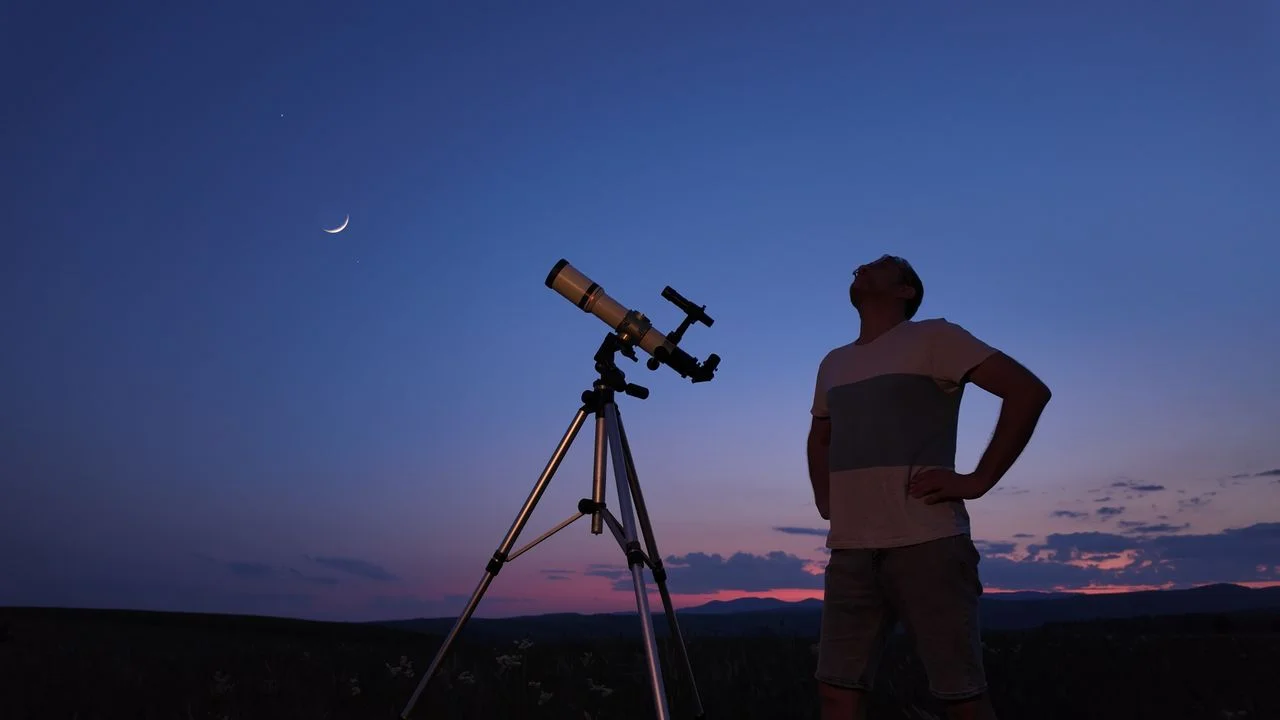
Watching the moon through a telescope demands strategic planning. Many novice stargazers wrongly assume that the full moon provides the best views, but that couldn’t be further from the truth. The reality is that the weeks leading up to the full moon often offer more spectacular vistas. The interplay of sunlight at these stages casts dramatic shadows across the lunar surface, accentuating mountain ranges, craters, and other lunar features in a way that simply isn't possible once the moon is fully illuminated.
Consider this: when the moon is just past the first quarter or nearing its last stage, the low angle of sunlight brings out detail that’s otherwise lost in the brilliant glare of a full moon. This shifting illumination highlights the topography, making it one of the most rewarding times to observe the lunar surface. For those of you working in astrophotography or experiencing lunar viewing for the first time, these moments can be transformative.
If you’re planning your next skywatching session, timing certainly matters. Take heed of the moon’s phases. They dictate the best opportunities to appreciate the moon's features through your telescope. Keep a lookout for events such as the third quarter or even the waxing gibbous phase.
And here’s the key takeaway: don’t wait until the moon is full to grab your telescope. Instead, get out there during the earlier phases and watch as the lunar landscape comes to life. Understanding these nuances can significantly enhance your experience and reveal the breathtaking intricacies of our nearest celestial neighbor.Social Sharing Dynamics
The current article incentivizes reader engagement through a thoughtful placement of social sharing options. Sharing content on platforms like Facebook, Twitter, and Pinterest isn’t just about making the information more accessible; it’s a strategic move to boost visibility and engage a broader audience.
Recent analytics indicate that articles with integrated sharing buttons experience a significant increase in traffic. When users share, they not only amplify the outreach but cultivate a community of readers interested in similar topics. This approach raises the question: How effectively are we utilizing these tools to create a ripple effect in audience engagement?
Authors and marketers alike should be mindful of where people most frequently interact online. According to reports, sharing on visual platforms like Pinterest can drive significantly higher engagement rates compared to traditional text-based social networks. It’s not simply enough to have share buttons; they need to be strategically placed and visually integrated seamlessly into the reading experience.
Encouraging Reader Interaction
Even beyond sharing, the article invites readers to leave comments, suggesting an effort to foster a dialogue. The comment section serves as a digital forum, allowing readers to exchange thoughts and insights, which can enrich the content and create a sense of belonging.
However, viewer interaction can be taken a step further. Data suggests that articles that actively encourage discussion tend to retain readers longer. If you’re working in this space, think about how you can make this a more engaging environment. Structured dialogues, moderated discussions, or even encouraging follow-up questions could elevate the user experience.
The statistics show a clear correlation: articles engaging readers through comments and interactions are more likely to be shared, driving further traffic. Yet, many publications still struggle to cultivate this dynamic. Understanding that interaction breeds interaction could reshape how content is presented and marketed. Wouldn't it be smarter to design content not as a monologue but as a conversation starter?Final Thoughts: Observing the Moon
If you've ever looked up at the night sky, you know the moon commands attention. Yet, despite its prominence, many stargazers, especially beginners, overlook the best times to observe it. The tendency to wait for a full moon is not only common but fundamentally misguided. The reality is that lunar views are far more captivating during its phases before and after this bright spectacle.
The essence of lunar observation lies in the interplay of light and shadow, which is most pronounced when the moon is gibbous or at the first and last quarter phases. At these times, shadows deepen across the craters and mountains, bringing out intricate details that vanish during the full moon's harsh glare. As amateur astronomer Leslie Peltier beautifully articulated, a half-lit moon unfolds in a way that’s visually rich, invoking a sense of discovery and wonder that full moons often lack.
There's an odd but fascinating dynamic to consider. While we often think of the half-moon as "half as bright," the truth is even more dramatic—it's only about 1/11th as bright. This surprising fact might get you thinking twice before planning your next lunar viewing session. Instead of a blinding full moon, consider timing your observations when the moon's features come to life along the terminator.
So, if you’re gearing up for a night of stargazing this week, take out your telescope or binoculars and target those waning and waxing crescents. Not only will you enjoy a more detailed view of craters like the magnificent Copernicus, but you may also come away with a feeling of connection to the cosmos that’s especially poignant. The moon isn’t just another object in the sky; it’s an old friend—we just need to visit at the right time.
As you prepare to look up, remember to embrace those "in-between" phases—they hold the key to unlocking the moon's hidden beauty. Happy observing!