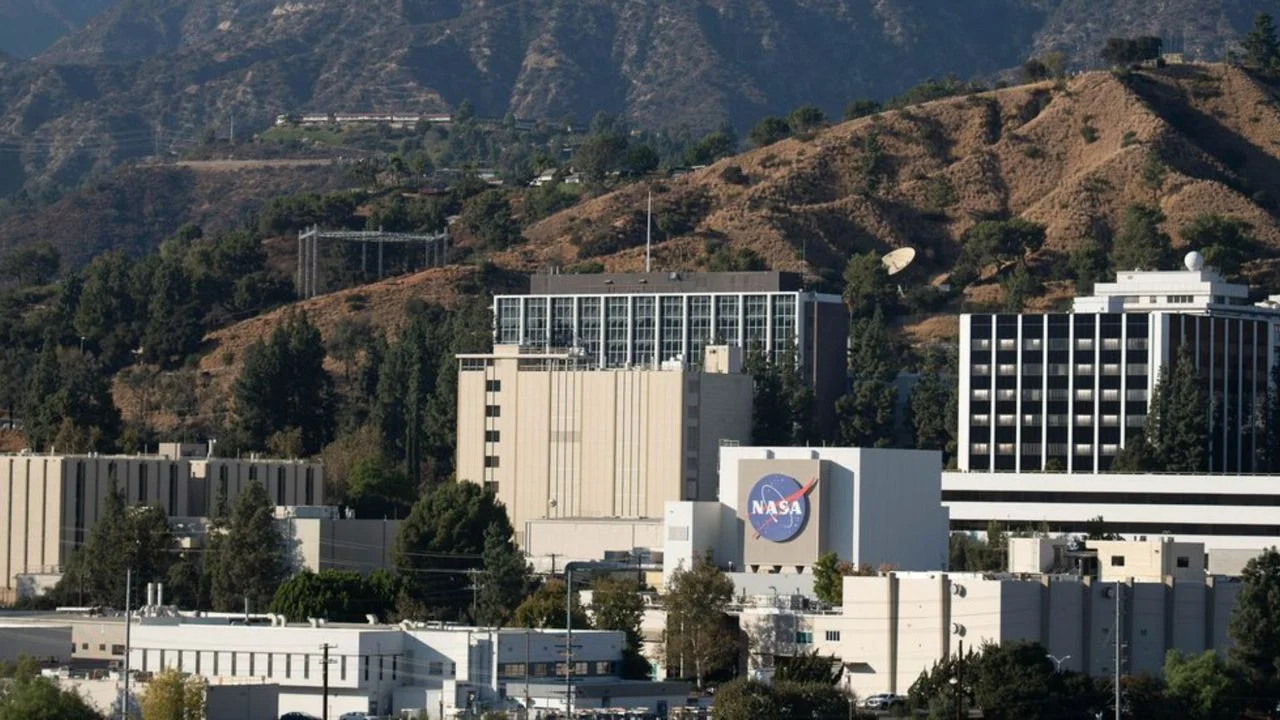
For the first time in nearly a century, control over the iconic NASA center, JPL, may shift, signaling a significant restructuring within NASA.
Potential Leadership Changes at JPL
The Jet Propulsion Laboratory (JPL), a cornerstone of NASA's space exploration efforts, might soon see a significant shift in its leadership structure for the first time in nearly a century. This development is being heralded as part of a much larger reorganization within NASA itself, suggesting a strategic pivot in how the agency interacts with its historic centers. If you're involved in the space sector or following NASA's initiatives, this is more than just an administrative shuffle; it reflects broader systemic changes in the agency's priorities and governance.
The timing of this potential shakeup is notable. As NASA grapples with evolving missions—particularly against the backdrop of increasing private sector involvement and budget pressures—changes at JPL could redefine its role in upcoming projects. With challenges mounting in various programs, the shift in control promises to bring fresh leadership perspectives that may either reinvigorate traditional practices or push the agency toward new, uncharted territories.
Consider this: for decades, JPL has operated under a stable leadership model that has largely dictated its direction in planetary science and robotics. Now, as discussions about leadership evolve, key questions arise: What kind of vision will new leaders bring? And how might this affect ongoing missions, such as those targeting Mars or the outer solar system? The uncertainty swirling around these changes reflects larger themes within space exploration—competition, funding, and technological innovation are all in flux.
As news of this reorganization circulates, it's clear that stakeholders across the spectrum—scientists, policymakers, and private sector players—are watching closely. The outcome could set the trajectory for not just JPL but for NASA's role in the global space arena.
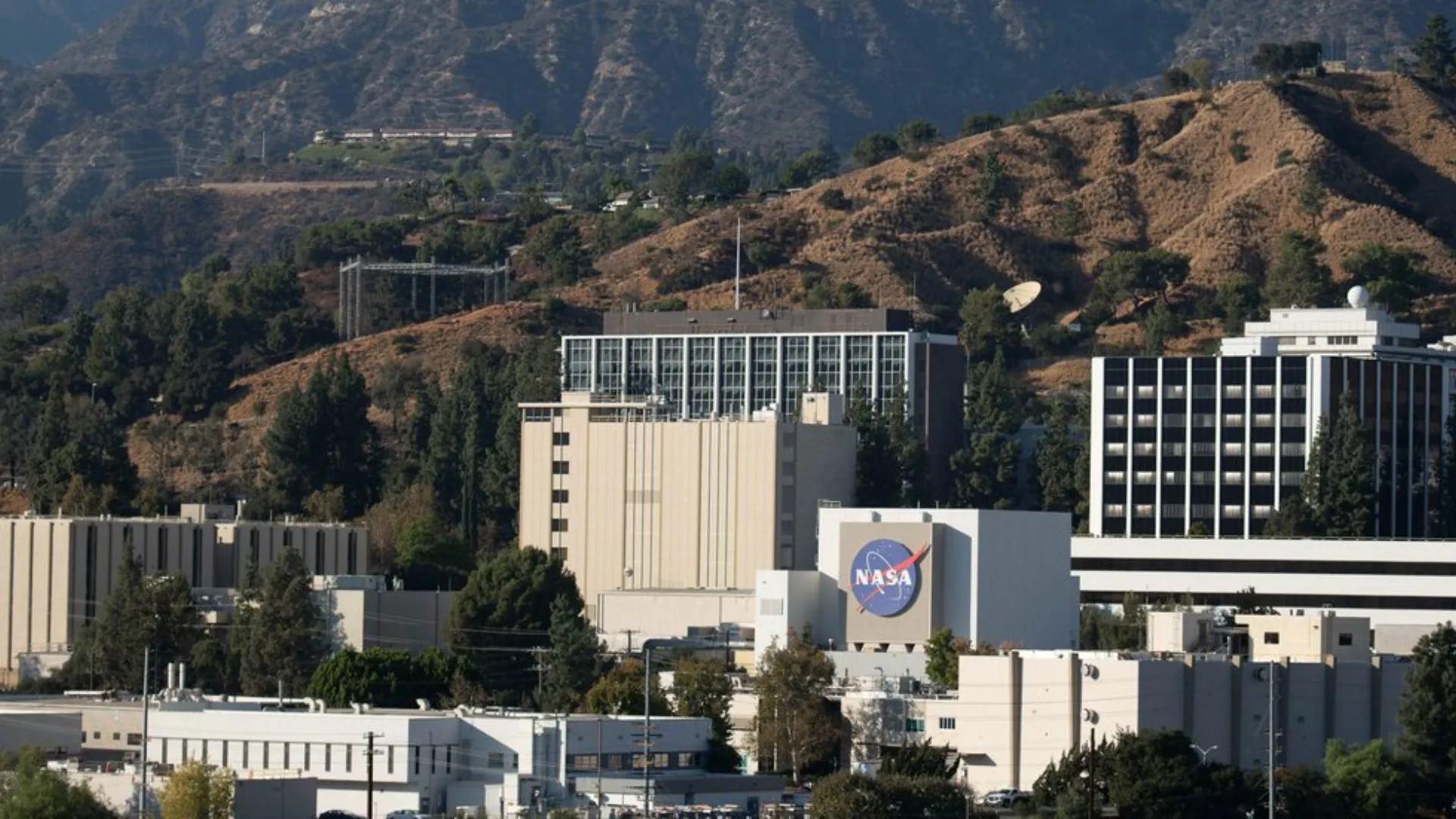 NASA's Jet Propulsion Laboratory in Southern California. (Image credit: NASA/JPL-Caltech)
Implications of Leadership Changes at JPL
The potential shift in leadership at NASA's Jet Propulsion Laboratory (JPL) poses significant ramifications not just for the organization itself but for the broader landscape of space exploration. If recent reports hold, this might be the first major administrative overhaul at JPL in nearly a century. Imagine what that means for a facility that's been a cornerstone of NASA's achievements since its inception. This isn’t merely bureaucratic reshuffling; it could fundamentally reshape JPL's strategic direction and priorities.
One important consideration here is how such a leadership change could affect ongoing projects and collaborations. Take the Mars exploration programs, for example. JPL has led numerous successful missions, and any disruption could stymie momentum. If you're an engineer or project manager involved in these initiatives, the stakes are high: a new leader might pivot focus towards different technologies, potentially sidelining those already in progress.
What’s equally fascinating is the governance aspect. JPL operates under a unique management structure that blends private and public sector influences. A change at the top might realign these relationships, possibly introducing more innovation—or more red tape. It’s not entirely clear whether this would encourage risk-taking and agile project management or introduce more stringent oversight.
Community Reactions and Stakeholder Concerns
Community and stakeholder reactions have been varied, with some expressing optimism about fresh leadership while others worry about instability. Communication from JPL’s current leadership regarding this potential shift has been limited, raising eyebrows among those who value transparency.
For the broader tech community, especially within the public sector realm, this is more than just JPL's issue; it signals a possible trend that could echo across other NASA centers. If successful, this could lead to a re-evaluation of how agencies operate, particularly under pressures for accountability and efficiency.
While the full implications will take time to unfold, it’s worth keeping an eye on how the narrative evolves. Leaders across industries might find both a cautionary tale and an inspirational model in how NASA navigates these turbulent waters. The change at JPL could very well set precedents for leadership dynamics in government-funded entities at large.
Looking Ahead: The Future of JPL and NASA
The news that NASA will open the competition for the management of the Jet Propulsion Laboratory (JPL) marks a significant pivot for both the agency and its long-standing partner, the California Institute of Technology (Caltech). For nearly 70 years, this relationship has been foundational to NASA’s robotic exploration efforts, particularly concerning Mars and deep-space missions. Now, with Caltech's operational contract expiring on September 30, 2028, we must consider what this shift means.
This isn't merely a matter of changing hands; it speaks volumes about NASA's evolving ambitions and operational strategies. By inviting other institutions to bid for the management role, NASA could see a transformation in how JPL conducts its day-to-day operations and steers major science programs. You can feel the tension in the air: will a new management model enhance innovation, or will it disrupt the synergy that has historically driven JPL's successes?
JPL has a unique standing as a federally funded research and development center (FFRDC), providing a degree of independence while retaining accountability to NASA. As of now, the current arrangement allows for blended teams of JPL and Caltech personnel to collaborate intimately on missions. A competitive transition could significantly alter this dynamic, introducing new leadership styles and operational methodologies. It's still early to predict how such adjustments will manifest in terms of team cohesion and project outcomes.
Meanwhile, NASA's broader reorganization aims to streamline its operations, focusing on "executing the mission" in alignment with national space priorities. Administrator Jared Isaacman emphasized the effort to combat bureaucratic inertia, which has plagued large organizations like NASA. Notably, he assured that this reorganization won't lead to layoffs, despite concerns arising from past personnel fluctuations. Such assurances provide some comfort, but whether they hold in the face of these significant changes remains to be seen.
The entire ecosystem of NASA could undergo dramatic shifts, with leadership realignments and mergers of mission directorates, as seen in the creation of new directorates. Each of these changes is intended to consolidate efforts and improve efficiency. However, what remains uncertain is how these fresh structures will play out in practical terms. Will they promote agility, or will they simply layer more complexity on an already intricate system?
Ultimately, the transition of JPL to potentially new stewardship offers an intriguing look into the future of NASA itself. If you're invested in space exploration or technology management, these developments warrant close observation. The coming years will undoubtedly determine whether this reorganization serves as a catalyst for progress or introduces new hurdles in NASA's quest for space exploration excellence.