Technology
NASA Unveils Updated Plans for Artemis Moon Base Today: Watch It Live
NASA will present updates on its Artemis moon base initiative today, highlighting advancements and the involvement of new industry partners. Tune in for live coverage of the event.
NASA's Bold Update on Artemis Plans
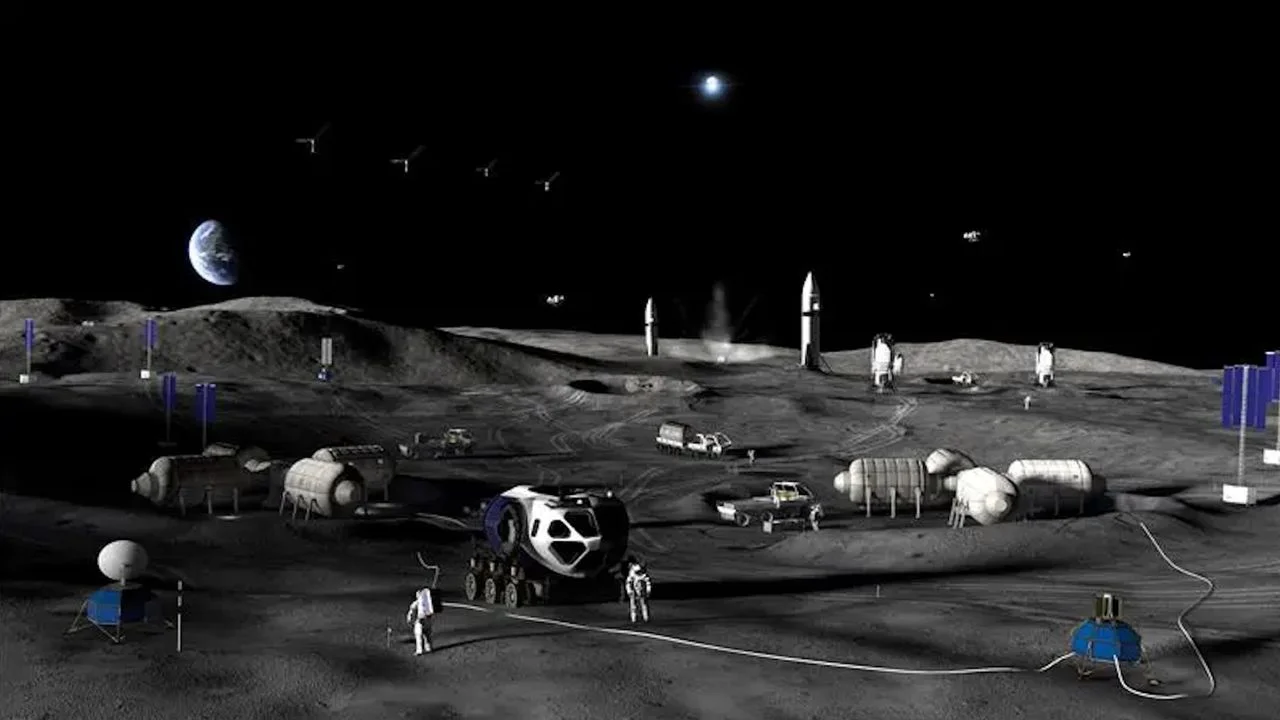
Today marks a significant moment for NASA as it reveals updates to its long-awaited Artemis moon base initiative. The agency is poised to share information that could reshape our understanding of its lunar ambitions, including details on new partnerships with industry giants. This isn't just another press release; it's a pivotal opportunity for the space agency to clarify its vision and challenges ahead as it works to revive human presence on the moon.
If you’re following space exploration, you’ll want to tune in. The announcement is expected to provide insights into existing mission plans and new developments that could impact timelines and objectives. Mike Wall will be leading the coverage, ensuring that viewers grasp these critical updates. Expect discussions that go beyond the surface, diving into how these partnership dynamics might affect project schedules and resource allocations.
While the Artemis program has captured public interest, it's essential to scrutinize whether these updates reflect genuine progress or simply a reassessment of priorities. Are these new collaborations enough to address the existing hurdles? The trajectory of Artemis has been marked by delays and shifting goals, raising questions about sustainability and realism in achieving lunar exploration.
As the presentation unfolds, it’s crucial to keep an eye on the specifics—what partners are stepping up, and how the agency plans to structure its mission moving forward. You can watch the updates live, and for those interested, more details can be found here: [Watch the Artemis update live](https://www.space.com/news).
This isn’t just about NASA’s plans; it’s about understanding how these strategies will define humanity's next steps on the moon. The reality is, for everyone working in this field, today’s presentation could signal whether NASA is truly on track or merely recalibrating its approach to space exploration.Analyzing User Engagement Through Social Sharing
The social sharing features integrated into articles today are more than just buttons; they are a critical piece of the engagement puzzle. For instance, the design of the sharing interface, like the one offered here, is clearly intended to encourage readers to broadcast content across various platforms. The proliferation of social media icons—each tailored for a specific audience—suggests a strategic push to maximize reach. But what does this really mean for content interaction?
You’ll see various platforms listed, from Facebook to Reddit, demonstrating the necessity for diversified outreach. This strategy isn't just about promoting articles; it's about tapping into distinct communities, each with unique engagement patterns. Yet, the efficacy of such efforts can vary widely. You might wonder about the actual impact of these buttons. Do they drive significant traffic? The answer often lies in the numbers—metrics that gauge real-world interactions reveal much.
For example, consider the ever-shifting dynamics on Twitter (now X). The character limit there means you have to craft concise, compelling calls to action. A simple headline won’t cut it; you need a hook. Meanwhile, Facebook’s capacity for longer posts allows for more nuanced engagement, yet that alone doesn’t guarantee visibility in crowded feeds. Each platform comes with its own algorithmic nuances that can stifle or amplify outreach efforts.
Furthermore, the inclusion of options to copy links or send via WhatsApp hints at a shift in how people share. Direct messaging apps are growing, indicating that private sharing may be outpacing public postings in some demographics. This is crucial for content producers considering how they strategically disseminate information.
But here’s the kicker: user behavior tends to fluctuate. The same article may garner attention one day and disappear into obscurity the next. It’s an unpredictable cycle. What seems to be trending now could be forgotten tomorrow, underscoring the inherent volatility of online content sharing. If your strategy relies heavily on social sharing, you’d do well to keep testing and adapting.
Ultimately, the effectiveness of these social sharing features doesn't just depend on their presence but on how well they align with users' habits and preferences. The insight gleaned from engagement metrics will be vital to understanding whether these tools truly enhance visibility or merely serve as a digital ornament. In this competitive content environment, staying agile is paramount.Navigating the Future of Lunar Exploration
In an anticipated update, NASA is set to unveil critical elements of its moon base initiative during a press conference scheduled for 2 p.m. EDT today. This meeting, hosted from their Washington, D.C. headquarters, aims to showcase advancements toward establishing a sustainable human presence on the lunar surface. The agency’s recent advisory highlighted the discussion points as two-fold: detailing strategic program developments and introducing new industry partners involved in this ambitious project.
Key figures in today's announcement include NASA Administrator [Jared Isaacman](https://www.space.com/space-exploration/us-senate-confirms-jared-isaacman-as-new-nasa-administrator), along with Lori Glaze and Carlos García-Galán, who will provide insights on mission readiness and partnerships essential for executing these plans. Their roles are particularly significant as the space agency collaborates with commercial partners like Astrolab and Lunar Outpost, which are developing lunar rovers, and Blue Origin, tasked with delivering these assets using its Blue Moon lander. Firefly Aerospace will also contribute by transporting hopping drones to the lunar surface.
This moon base effort isn't just a side project; it's pivotal within NASA's broader [Artemis program](https://www.space.com/artemis-program.html), which aspires to create a permanent human foothold on and around the moon within the next decade. The overarching goal is to acquire the knowledge and expertise necessary to pave the way for future expeditions to Mars.
You'll be surprised to learn that two missions under the Artemis banner have already been successfully launched. The uncrewed [Artemis 1](https://www.space.com/artemis-1-going-back-to-the-moon) has taken to lunar orbit, followed by [Artemis 2](https://www.space.com/artemis-2-humans-moon-orbit), which recently marked a successful return trip for a crew of four astronauts. However, in a significant turn of events, the original plans for the [Artemis 3](https://www.space.com/artemis-3-moon-landing-mission) mission have shifted. It will now focus on testing docking protocols in Earth’s orbit instead of landing astronauts on the lunar surface as originally intended.
What’s particularly perplexing is why NASA has chosen to pause work on the Lunar Gateway, which was initially a cornerstone of the Artemis architecture, to redirect focus toward the lunar base. This pivot demonstrates a commitment to surface exploration, but it also raises questions about long-term strategy. The complexities of executing these ambitious moon base plans are only amplified by the shifting schedule and objectives—such is the landscape of modern space exploration. It’ll be intriguing to see how both NASA and its partners navigate these challenges in the months and years to come.Looking Ahead to Lunar Exploration
NASA's Artemis program is on the brink of making history with its upcoming Artemis 4 mission, set to take place in late 2028. This mission marks the first time humans will set foot on the Moon since the Apollo era, a poignant reminder of our past achievements as we venture into a new chapter of space exploration. The planned lunar base, targeted for construction near the Moon's south pole between 2032 and 2036, is more than just a scientific endeavor; it's a statement of humanity's renewed commitment to deep space exploration.
What’s particularly interesting is the larger vision behind Artemis. Building this lunar outpost is intended to serve as a launchpad for future manned missions to Mars. The strategic placement of this base is crucial; the south pole region is believed to host water ice, a vital resource for sustaining both human life and fuel production.
Here’s the thing: if all goes according to plan, Artemis 4 could set the precedent not just for lunar exploration but for interplanetary travel as well. It’s a complex balance of ambition and pragmatism, requiring unprecedented international cooperation as well as cutting-edge technology. As you consider the implications, think about what a successful lunar base could mean for science, international cooperation, and the economy.
Yet, the timeline isn't guaranteed. Challenges such as budget fluctuations, political changes, and technical hurdles remain. It's not entirely clear why hurdles have persisted despite decades of planning and innovation. For those in the industry, the evolving situation demands both adaptability and vigilance.
Ultimately, the Artemis program's trajectory offers a glimpse into the future of human exploration beyond Earth. If you're engaged in technology or aerospace, keep a close watch on these developments; they could influence the next decade of innovation in ways we can only begin to imagine.