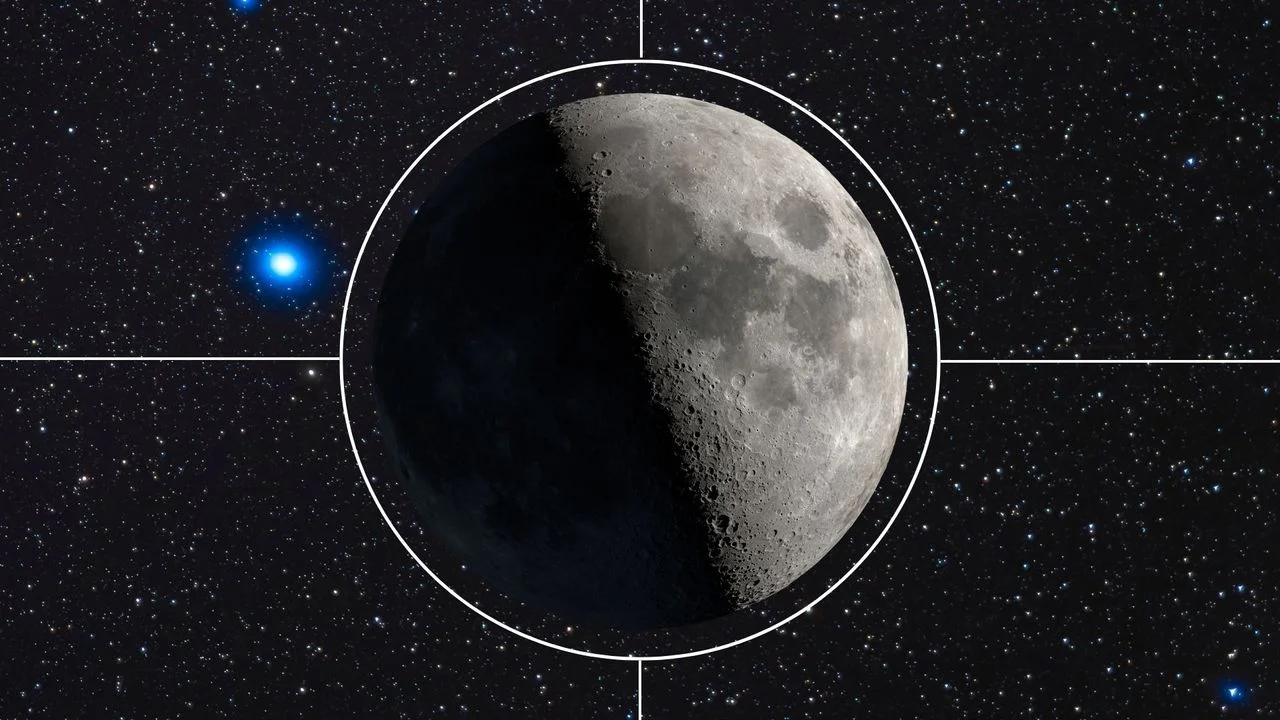
On May 23, the moon will obscure the bright star Regulus for select viewers. This astronomical phenomenon presents a unique opportunity to witness the interplay between celestial bodies.
Upcoming Celestial Event: The Moon's Shadow on Regulus
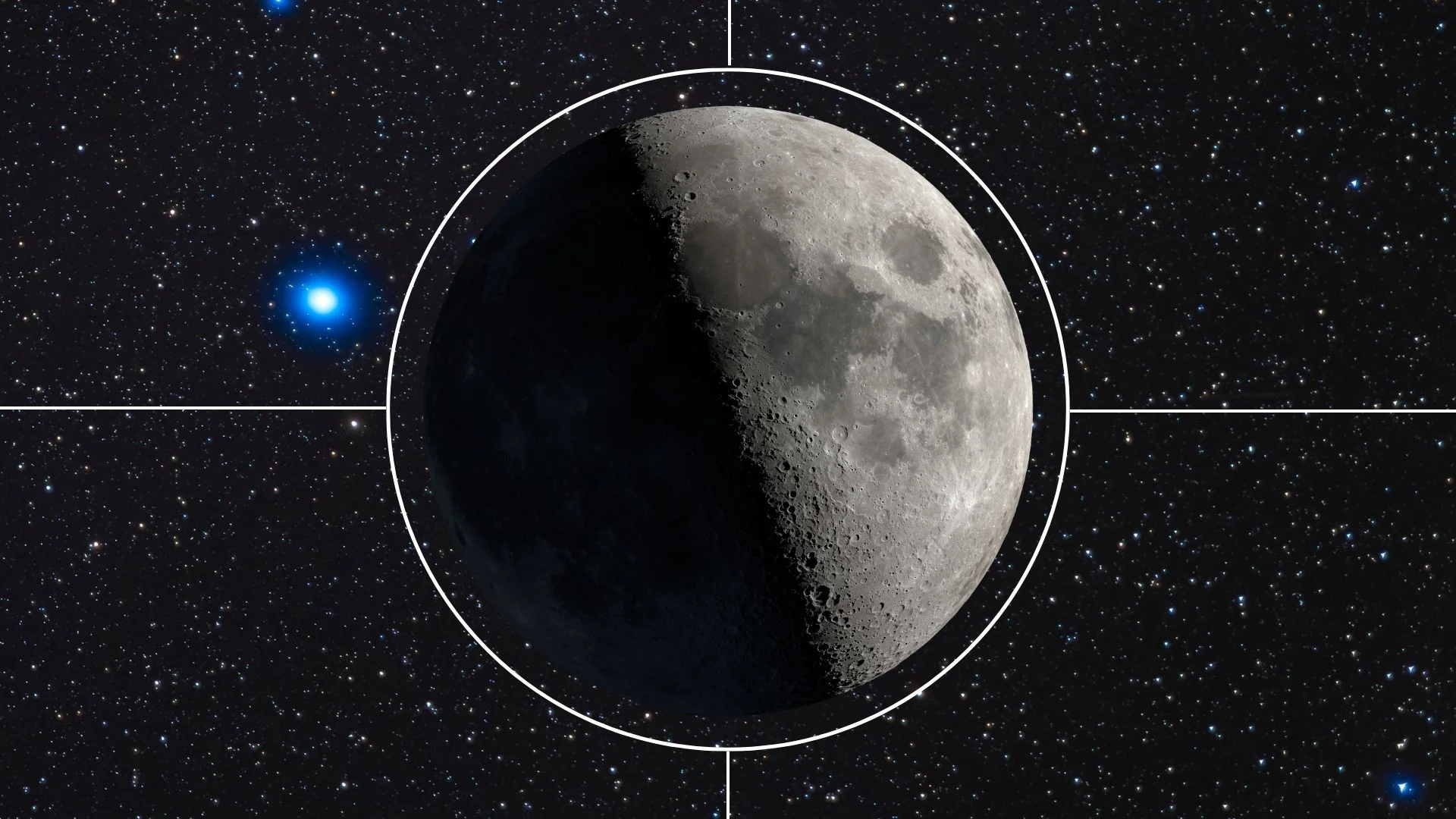
In just a couple of days, stargazers will have a unique opportunity to witness an intriguing astronomical phenomenon. On May 23, 2026, the moon will pass directly in front of Regulus, one of the brightest stars in the constellation Leo. For those fortunate enough to be in the right location, this celestial alignment will momentarily obscure the star's light, creating an event that is not just visually striking but also ripe for scientific observation.
The event has stirred excitement among the astronomical community because it allows for a rare glimpse into the dynamics between bodies in our solar system. The moon, orbiting Earth approximately every 29.5 days, doesn't often align with stars in such a precise manner. Observers from certain geographical vantage points will experience a brief disappearance of Regulus, illuminating the complex interactions of light, space, and distance.
What makes this event particularly fascinating is that Regulus isn’t just any star; it's one of the key bright points in our night sky, often serving as a navigational guide for astronomers and casual stargazers alike. This is more significant than it appears at first glance; such transitory events can deepen our understanding of not only our moon's orbit but celestial mechanics more broadly.
If you're aiming to catch this astrological spectacle, timing and location will be critical. Keep an eye on local astronomical societies or online platforms for detailed viewing guides, as this opportunity won’t come around often. So, mark your calendars for May 23 and prepare for a moment where the moon will quite literally steal the show from a shining star.
```html
```
In the days leading up to the event, consider exploring similar celestial occurrences. Articles detailing the moon's upcoming dances with other noteworthy constellations can help enrich your stargazing experiences. For expanded context, there are numerous resources online, including guides on lunar eclipses and star visibility, ready to enhance your understanding of night sky phenomena.
Social Sharing Insights
The prevalence of sharing features on digital content isn’t just a convenience; it’s indicative of how audience engagement is evolving. This respresentation goes beyond mere convenience and into the realm of measurable impact. Readers today prioritize sharing content across various platforms, reflecting a shift in how we consume and disseminate information.
For example, on many articles, including ones about notable astronomical events, you’ll often find buttons that facilitate sharing on platforms like Facebook, Twitter, and WhatsApp. What’s fascinating is the extent of the integration— these features are designed for seamless user interaction, allowing you to spread the word without a second thought. Yet, it raises an interesting point: are these conveniences merely an afterthought, or do they significantly enhance engagement?
Let’s take a closer look at the metrics. Platforms measure how many times content is shared, which provides not just raw data on popularity but insights into what resonates with readers. If you’ve worked in this sphere, you know that a high share count often correlates with quality engagement. However, the effectiveness of these tools can vary; a piece might be widely shared but fail to generate substantive discussion or interaction. This disparity is critical to unpacking the true value of social sharing tools.
That said, the aesthetic and functional design of these sharing buttons plays a role in their success. A visually appealing, intuitive share button could invite more interactions, which leads us to wonder: are we optimizing for appearance over functionality? The conversation is ongoing, and it's evident that understanding these dynamics requires more than surface-level observations.
If you're in digital content strategy, consider this: social sharing isn't just about increasing numbers. It’s about cultivating a community and promoting deeper engagement with the content. The tools you implement should facilitate nuanced interactions that enrich the user experience beyond simple clicks.
Comment Section Dynamics
Interactivity doesn't stop at sharing; the comment section serves as another crucial touchpoint. Here’s the thing: while the count of comments can appear marginal, it often signals deeper engagement. By allowing readers to express their views, you not only foster community but also collect valuable feedback on the content’s direction. Yet, when diving into these metrics, it’s clear that sheer numbers aren't the only story.
Consider the context—a low comment count might initially seem lackluster, but content that inspires thoughtful dialogue may not attract dozens of comments. Experts argue that meaningful exchanges often hold more value than quantity. For instance, you might find a single insightful comment that sparks a deeper conversation, leading to further engagement off the platform.
So, how are we measuring success here? It’s not solely about the number of comments; it’s about the quality and depth of the discussions sparked. You might come across articles with hundreds of comments, yet many may lack thoughtful discourse—so navigating this balance is critical. If you’re assessing content performance, it’s wise to look beyond the metrics and analyze the substance of the interactions.
Ultimately, the effectiveness of interactive features hinges on their ability to nurture real connections among readers, making them feel part of an ongoing conversation rather than passive consumers of information.
Looking Ahead: Astronomical Events and Observational Opportunities
As we anticipate the celestial display of the moon's passage across Regulus on May 23, it’s a reminder of the beauty and complexity of celestial mechanics. Not everyone will be able to experience this lunar occultation; only those in specific regions, like parts of the Pacific, will enjoy a complete view. This sort of parallax effect, where perspective alters the perceived position of celestial bodies, underscores the variety of experiences in astronomy depending on one's Earthly vantage point.
Here’s the thing: these events offer more than just a visual spectacle. They serve as a hook to spark interest in astronomy and stargazing. If you're in the southern hemisphere, for instance, you won’t just witness the moon obscuring Regulus; you’ll also reaffirm your connection to the night sky as the moon and stars dance in their eternal ballet. For viewers in the U.S., while the occultation may elude you, the close encounter the night before is still worth a look. You'll see Regulus just a finger's breadth above the moon—a satisfying sight nonetheless.
### Tools for Stellar Observations
For avid stargazers eager to make the most of these cosmic interactions, technology now offers powerful tools to simulate and enhance our understanding of astronomical events. Utilizing smartphone apps like [Stellarium](https://www.space.com/stellarium-mobile-plus-review) or [Sky Safari 7 Pro](https://www.space.com/sky-safari-7-pro-app-review) can transform a casual viewing into an interactive learning experience. You can visualize how celestial bodies will align from your specific location, making it easier to grasp the intricate mechanics at play.
Don't forget, capturing these moments can add to the collective appreciation of our night sky. If you manage to snap a stunning picture of the moon with Regulus, share it with the broader community. The night sky has always inspired us, and sharing our experiences can spark curiosity and passion across generations.
In summary, whether you’re catching a glimpse of the moon or simply observing the night sky, don't overlook the significance of these events. They’re gateways to understanding our universe better—and who knows what wonders await those who keep looking up?