The ongoing debate around the regulation of prediction markets is now more heated than ever, particularly as former President Donald Trump has publicly criticized state-level efforts to impose restrictions. His recent social media remarks serve as a rallying point for an industry that, while burgeoning, raises significant ethical concerns about transparency and insider trading.
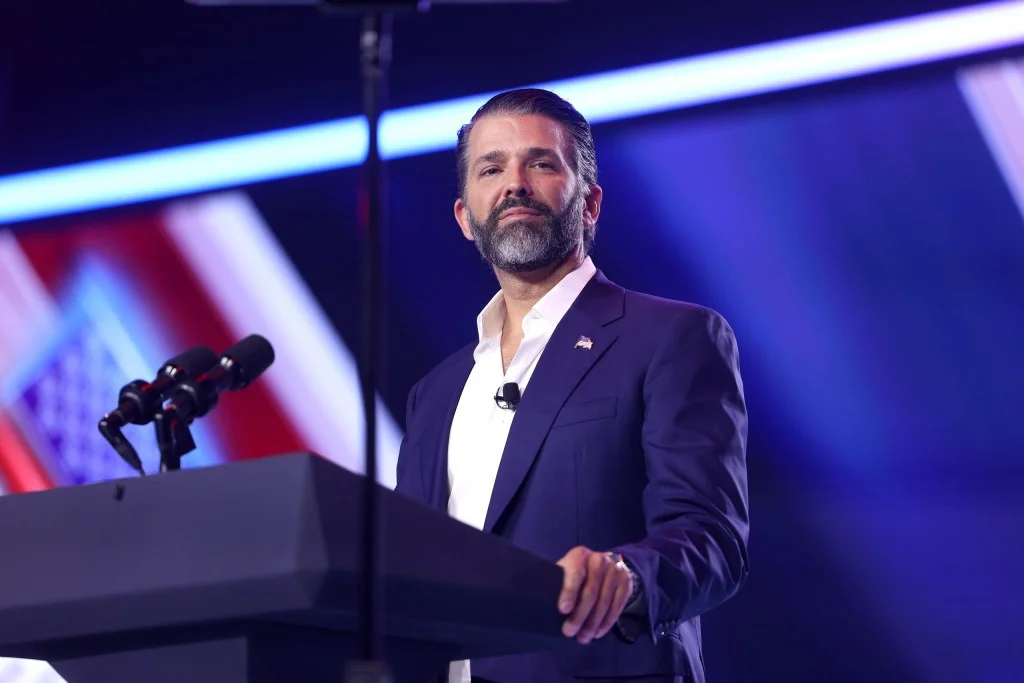
Trump's advocacy for prediction markets emphasizes his belief that the Commodity Futures Trading Commission (CFTC) should maintain exclusive jurisdiction over these platforms, a position that aligns with sentiments expressed by his CFTC chief, Mike Selig. This push against state regulations appears self-serving, especially considering the Trump family’s financial interests in the sector. Notably, Donald Trump Jr. has ties to Polymarket, a leading prediction market platform, which complicates the narrative. The unfolding scenario highlights a potential conflict of interest: Trump's financial motives may be influencing his regulatory stances.
Potential Conflicts of Interest
Critics have been quick to point out the troubling implications of Trump's stance. Senator Chris Murphy (D-Conn.) has accused the former president of prioritizing profit over consumer protection, arguing that Trump’s family reaps substantial benefits from these markets. Murphy described Trump's post as evidence of systemic corruption, emphasizing a connection between his regulatory ambitions and financial gain. This statement is not made lightly; it raises questions about the integrity of public office when personal commerce intertwines so closely with governance.
Moreover, Trump’s assertions that the CFTC must safeguard the prediction market sector suggest he views these platforms as integral to the economy. However, this characterization ignores the potential hazards they pose, such as enabling insider trading and market manipulation. State leaders like Illinois Governor JB Pritzker have countered Trump’s narrative by emphasizing their own states’ regulations aimed at curbing unethical practices in these markets, illustrating a stark divide between federal and state perspectives on consumer safety.
The Regulatory Backlash
The former administration's efforts to undermine state-level regulations have resulted in lawsuits against states like Illinois, which attempt to enforce their rules on prediction markets. Legal experts are weighing in on whether Congress intended for the CFTC to take on the regulatory responsibilities of gambling. Dominick Freda, legal director of Better Markets, argues that the CFTC's primary duty should focus on overseeing commodities and derivatives markets rather than acting as a “nationwide gambling czar.” His stance highlights a growing concern: As prediction markets gain popularity, the regulatory framework struggles to keep pace with their proliferation.
What’s significant here is the broader implication for financial oversight and consumer protection. With Trump pushing for a sector that many consider unregulated, we could be entering a turbulent phase for financial integrity—one where catchy names like “prediction market” could obscure the reality of high stakes betting masquerading as legitimate financial trading.
The Future of Prediction Markets
As more players enter the prediction market arena, regulatory clarity becomes essential. Consumers could easily be misled by platforms that operate without oversight—an issue that could exacerbate existing problems within the financial system. While Trump’s support may embolden the industry temporarily, it is the resistance from state leaders aimed at protecting consumers that will ultimately shape the industry’s future.
This ongoing confrontation raises critical questions about accountability. If states are to effectively combat practices that could lead to insider trading, a unified approach toward regulation might become necessary. States have a vested interest in screening out unethical behavior, and it is plausible that they will continue to assert their right to regulate against Trump’s push for a centralized federal control model.
For industry professionals and stakeholders, the ramifications are profound: how regulation evolves—or falters—will directly affect market integrity and consumer trust. Those in the sector should keep a close watch on these developments, as they will shape not only the financial landscape but also the ethical framework guiding market behavior.