Technology
Ancient Gold Treasure Unearthed in Saudi Arabia Likely Hidden by Medieval Pilgrim
Archaeologists have uncovered a treasure trove of gold, silver, and gemstones dating back 1,200 years, believed to have been buried by a medieval pilgrim in Saudi Arabia.
Gold Hoard Unearthed: A Step Back in Time
It’s not every day that archaeologists stumble upon a treasure trove that rewrites historical narratives. Recently, a remarkable find in Saudi Arabia has done just that. A cache of gold, silver, and gemstones, dated to be around 1,200 years old, was discovered buried along a route used by medieval pilgrims. This is more than just a collection of valuables; it provides historical context about the trade and cultural interactions of the era, potentially tracing connections between the past and present.
The significance of this discovery extends beyond the sheer value of the artifacts. It raises intriguing questions about the social and economic dynamics of the region during the time the hoard was buried. Who buried this treasure? Was it left behind intentionally or hidden as a precaution? This gold hoard could open a window into the lives of the individuals who traversed this pilgrimage route, shedding light on the motivations that drove people to journey across vast distances.
Archaeologist Kristina Killgrove, who reported on the discovery, emphasizes its potential to illuminate the era’s trade networks. The artifacts unearthed suggest a sophisticated exchange system, interwoven with both spiritual significance and material wealth. As more research unfolds, we could gain deeper insights into how pilgrimage routes facilitated not just spiritual journeys, but also economic transactions.
This find at Diriyah is worthy of attention for both its historical implications and its potential to attract further archaeological inquiry. As excavations continue, each piece recovered might provide answers—and more questions—about the intricate tapestry of human history in this region. It’s a reminder that the past is often found hidden beneath our feet, waiting to be rediscovered.Unraveling the Past at Diriyah
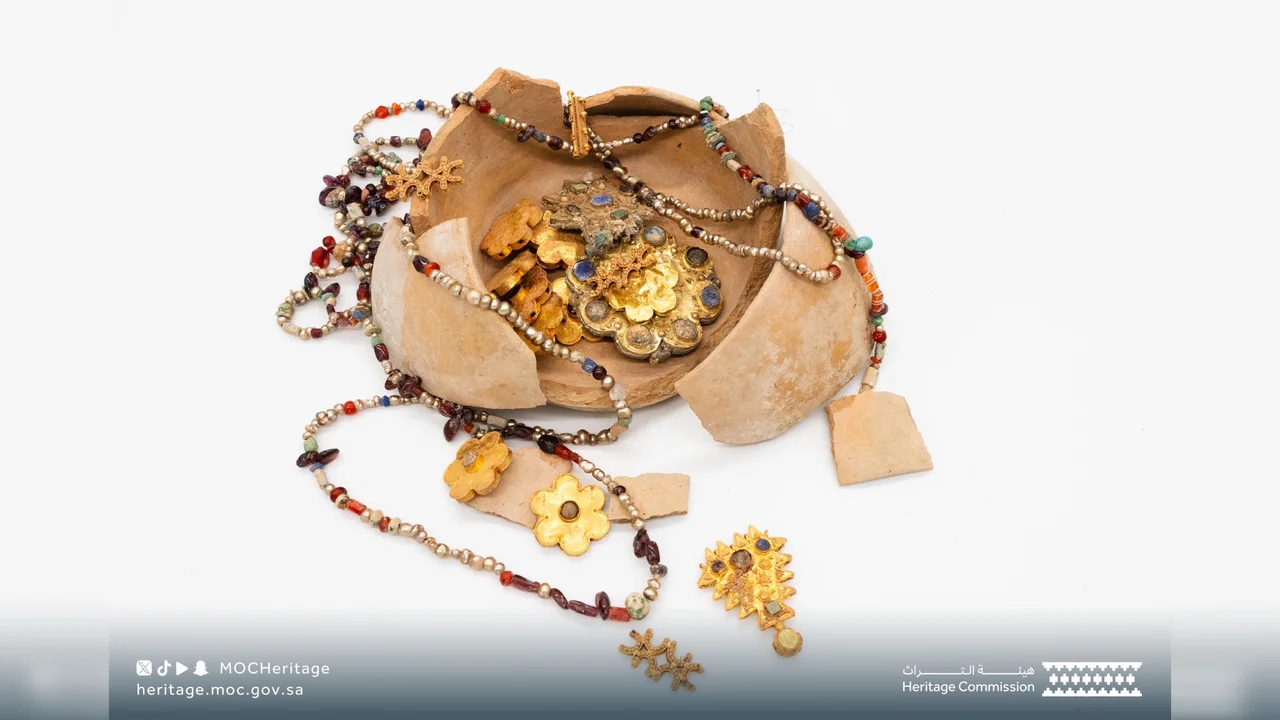
What’s remarkable about the recent archaeological find at Diriyah isn’t just the glittering “Diriyah Treasure,” which consists of gold, silver, and gemstone jewelry. Rather, it’s what this discovery reveals about the pilgrimage culture of early Islam and the socio-economic connections of the Abbasid period. Unearthed by archaeologists in Saudi Arabia, the treasure might date back over a thousand years to when the Abbasid caliphate was on the rise.
Diriyah served as a significant stop along the pilgrimage route to Mecca, a role it maintained even as the city was being shaped into the political and cultural center we recognize today. The fact that such a rich hoard was hidden there hints at the historical importance of this place for travelers on their way to fulfill one of the five pillars of Islam, the Hajj. The gold and gemstone pieces adorned with intricate floral and geometric designs are testaments to the skilled craftsmanship of the era but also raise questions about their intended purpose. Did they belong to a lone pilgrim, or might they have symbolized something grander in the context of the burgeoning Islamic society?
“The 'Diriyah Treasure' represents one of the most significant findings of the ongoing excavations,” a representative from the Saudi Heritage Commission pointed out. Such discoveries not only shine a light on daily life during the Abbasid period but also suggest a broader network of trade and pilgrimage far beyond what we had previously understood.
However, a lingering mystery remains: the context of the jewelry's burial is unclear. Experts continue to speculate on its origins and the motivations behind its concealment. What was the story behind this treasure? Its recovery prompts us to consider the personal narratives of those who traveled these routes long ago, infusing a sense of emotional weight to the artifacts.
As excavation efforts continue in the coming years, we can expect more insights that could reshape our understanding of this pivotal moment in Islamic history. Each find, like the Diriyah Treasure, isn’t just an artifact; it carries with it layers of human experience waiting to be uncovered.
In short, Diriyah is poised to offer itself as an increasingly rich tapestry of historical narratives that deserve our attention. As we delve deeper into the site, we should remain curious about how these discoveries will redefine our views on the past. If you work in historical research or archaeology, keep an eye on this site—it’s a hotbed of untold stories just waiting to be revealed.