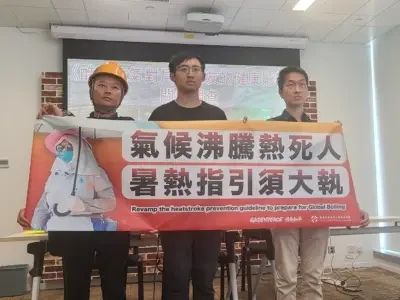
Hong Kong is increasingly facing the ramifications of climate change, particularly through worsening heatwaves. As we approach what experts predict will be one of the hottest years on record, the city’s existing frameworks for handling climate impacts appear woefully inadequate, particularly for vulnerable populations. The challenge here is not merely about combating high temperatures; it's about addressing a burgeoning health crisis exacerbated by systemic social inequities.
Heatwaves and Vulnerability
The Hong Kong Observatory has issued warnings for record-breaking heat in 2026, driven in part by El Niño conditions. While the city's infrastructure has largely shielded it from catastrophic flooding, its residents are increasingly exposed to extreme heat, with hotter days and prolonged heatwaves becoming a troubling norm. Vulnerable groups, notably outdoor workers and low-income households, are at the forefront of this health crisis. As of 2025, there were 53 recorded days where temperatures reached or exceeded 33 degrees Celsius, creating conditions that can lead to heat-related illnesses.
Inadequate Government Response
Despite commitments outlined in Hong Kong's action plan to achieve carbon neutrality by 2050, critics argue the city's approach remains overly technical and investment-focused, missing a crucial human element. Climate justice advocates like Ivy Leung from CarbonCare InnoLab emphasize that effective climate action must include grassroots engagement and community capacity-building. Currently, the Hong Kong government's fiscal policies reflect a shocking oversight of vulnerable populations, directing resources toward green financing while providing no support for those most affected by climate change.
Greenpeace Hong Kong has pointed out that policy documents do not even acknowledge the existence of at-risk groups, signaling a fundamental disconnect in the government's approach to climate adaptation. This lack of recognition raises critical questions about the effectiveness of existing safety nets and whether they adequately address the unique challenges faced by those living in substandard conditions.
The Health Crisis Among Workers
Outdoor workers are particularly susceptible to heat stress. A 2023 survey revealed that 62% of street cleaners and construction personnel reported symptoms associated with heatstroke. Alarmingly, there are significant barriers to reporting these incidents, as heatstroke is not recognized as an occupational disease in Hong Kong. The government has attempted to implement preventive measures, such as a three-tier heat warning system, but compliance remains an issue. Lacking legal enforcement, many employers ignore the warnings, putting their workers at further risk.
Medical experts advocate for a shift in perspective, urging that heat-related illnesses be treated as public health emergencies. Data indicates that heat has directly contributed to thousands of excess deaths over the past decade. The urgency for action cannot be overstated, especially as heatwaves increasingly rank among the top ten causes of mortality in the city.
Community-Based Solutions
While government initiatives appear stagnant, grassroots organizations are stepping in to fill the gaps left by official policies. Partnerships like the one between CarbonCare InnoLab and local community organizations are vital, focusing on implementing energy-saving practices and resilience measures tailored to the needs of vulnerable neighborhoods. These initiatives empower residents, providing them with the tools to cope with extreme heat by promoting local solutions — an approach that has shown promise in fostering community resilience.
Moreover, existing shelters meant to provide relief during heatwaves are underutilized due to poor logistics, such as inadequate public awareness, inadequate privacy, and limited operating hours. Activists emphasize that creating a supportive environment where residents can access these resources is essential, noting that the mere existence of cooling centers does not equate to effective assistance.
Path Forward: A Call for Comprehensive Strategies
If Hong Kong is to successfully navigate the challenges posed by climate change, a twofold strategy is imperative. Firstly, enhancing the existing infrastructure with a focus on accessibility and effectiveness for vulnerable groups is non-negotiable. Secondly, engaging communities in the creation and implementation of climate adaptation strategies is essential for building long-term resilience. Merely outlining adaptation plans without considering who they serve will not suffice in mitigating the detrimental impacts of climate change.
As advocates sound alarms about the crisis, there lies an opportunity for climate justice advocates to influence policy change decisively. The path forward must prioritize the well-being of those disproportionately affected, ensuring that future climate strategies are genuinely inclusive and capable of addressing the social inequities that exacerbate vulnerability.
The implications here are profound: the longer Hong Kong's leadership ignores the cries for comprehensive change, the greater the toll will be on its most vulnerable citizens. The challenge ahead is substantial, but with a shift towards community-driven solutions backed by robust policy changes, the city can build a more equitable climate resilience framework.