
Multiple sclerosis can be difficult to identify because no single test confirms it. Doctors build a diagnosis from symptoms, imaging and other clinical findings, while checking that another condition isn’t a better explanation. That makes specialist judgment central—and leaves room for errors that can take time to uncover.
Actor Christina Applegate said this week that a reevaluation found she does not have the MS diagnosis she received more than five years ago. She described feeling “back at square one, where I don't know what's going on with me” on a podcast. Experts interviewed by Live Science said it’s difficult to assess her case without knowing what tests were done or what the reassessment involved. Applegate mentioned that her brain scans had been reviewed using a “new technology,” but gave no further details.
Her experience points to a wider diagnostic challenge. Estimates of MS misdiagnosis vary across studies, from 5% to more than 40%, depending on the patient group and clinical setting, according to published research. MS can also be missed: some people who have the disease aren’t initially identified as having it. “It's also really important that doctors and patients be aware that it's not inappropriate to revisit a diagnosis—to make sure it's right,” said Dr. Ari Green, chief of the Division of Neuroimmunology and Glial Biology at the University of California, San Francisco. He was among the experts who helped update the diagnostic criteria.
Why timing matters
MS is an autoimmune disease in which the immune system attacks the brain and spinal cord. The attacks can damage neurons and myelin, the fatty layer that insulates nerve fibers and helps signals travel. As damage accumulates, it can leave lesions in nervous tissue and cause symptoms such as vision problems, weakness, tingling, dizziness and difficulties controlling the bladder.
Severe disability, including losing the ability to walk or stand, is less common today as treatments have improved. Those treatments suppress immune attacks and help prevent additional nerve damage. “It's moved from people ending up with severe, profound disability at 10 or 20 years of disease, and now it's at like 30 or 40 years of disease, they have modest disability,” Green said.
MS most often develops between ages 20 and 40, though it can occur at any age, according to the Mayo Clinic. Green said people with MS tend to do better over the long term when they start treatment earlier. That puts pressure on clinicians to recognize the disease promptly, while taking care not to mistake a different condition for MS. “You're trying to be as proactive as possible with this,” said Dr. Yohance Allette, a neuroimmunologist and researcher at Penn State Health.
Building the diagnosis
Rather than relying on a definitive test, neurologists apply a set of diagnostic criteria. These combine evidence from a patient’s symptoms, laboratory results and scans of the brain, optic nerves and spinal cord. The criteria are revised as knowledge improves; the latest update was carried out in 2024 and published in 2025, with Green among the participating experts. The National Multiple Sclerosis Society describes the updated criteria, which were also published in The Lancet Neurology.
The process starts with symptoms that could point to MS. Balance problems, changes in vision and bowel-control issues can be early signs, but they vary from person to person and may not initially look like neurological symptoms. Their timing can offer a clue: MS symptoms often worsen over a day or several days, then fade, Green said.
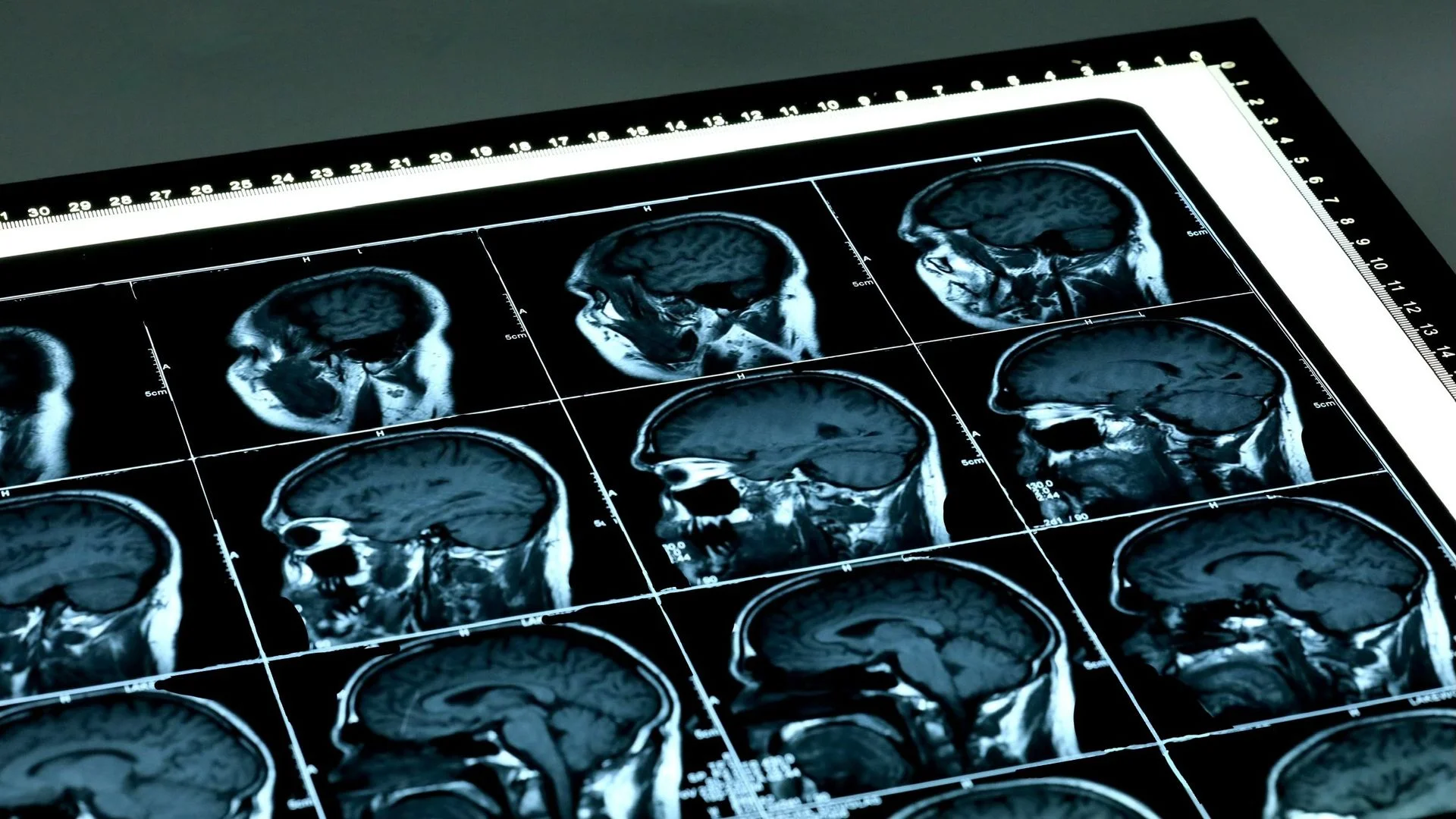
Doctors typically use MRI scans of the brain and spinal cord to look for lesions and assess their shape, size and location. MS-related damage often appears near blood vessels, where immune cells can enter the brain. But lesions alone don’t settle the question. Migraine, uncontrolled diabetes and vascular disease can also be associated with some myelin damage, so clinicians must interpret the scan patterns in context. Green and Allette said neurologists who specialize in MS are generally more practiced at distinguishing those patterns from damage caused by other conditions.

Imaging the optic nerves can provide another source of evidence, and the latest criteria give those scans greater emphasis, Allette said. Electrophysiologic tests, which measure how nerves function, can add information that an MRI can’t show. “They tell you something totally different than just seeing a lesion on MRI,” Green said. A spinal tap can also reveal proteins and inflammatory cells in the fluid surrounding the brain and spinal cord.
Clinicians must also consider diseases that resemble MS. Neuromyelitis optica and myelin oligodendrocyte glycoprotein antibody-associated disease, or MOGAD, are autoimmune conditions affecting the central nervous system. They’re linked to particular autoantibodies that aren’t found in MS. Lupus and myasthenia gravis can also look similar at first, as can other conditions listed by MS Focus. Antibody tests or spinal-fluid analysis can help rule out some alternatives; others take a broader set of assessments. “Ultimately, it's a diagnosis of exclusion,” Allette said. “There are things that you can rule out quickly,” while others require more time.
That distinction matters for treatment. Green said some conditions that can be mistaken for MS, including MOGAD and neurosarcoidosis, may worsen with MS medications. If flare-ups become worse after treatment begins, that could suggest another cause. But flare-ups may be separated by long intervals, so the clue might not emerge quickly.
Where the process may improve
Green said today’s diagnostic tools can give patients a fair degree of confidence, especially when an MS specialist applies the current criteria. Still, the results need interpretation, and that’s where uncertainty can enter. Access to specialists can also vary. Allette said Applegate’s case was a surprise because he expected someone in her position to have quick access to high-quality care. He raised the possibility that patients with less access might spend even longer on the wrong diagnostic path: “would that have been seven or eight years for somebody who doesn't have that access?”
Both experts see promise in proteomic testing. These analyses profile proteins and peptides in blood or cerebrospinal fluid, potentially identifying markers linked to the immune attacks behind MS or to nerve damage. Allette said such tests could help clinicians assess several biological signals together. No proteomics-based MS diagnostic test has been approved, Green said, and neither expert expects a simple standalone test to replace the current process.
Future tools may reduce the number of tests needed, but Green expects neurologists’ clinical evaluations to remain essential, at least for the foreseeable future. The practical lesson is that an MS diagnosis should be supported by a pattern of evidence, interpreted by someone familiar with the disease, and revisited when the clinical picture no longer fits.
- 'The right diagnosis is unbelievably powerful': It can take years to diagnose rare diseases, and scientists are trying to fix that
- Why are dengue cases surging in Florida this year? An 'unlucky' combination of factors, experts say
- 'Zombie cells' may drive aging, and scientists are devising new ways to get rid of them
This article is for informational purposes only and is not meant to offer medical advice.
Help us improve Live Science Pro: We're always trying to make our content better. Leave us feedback about Pro here.


