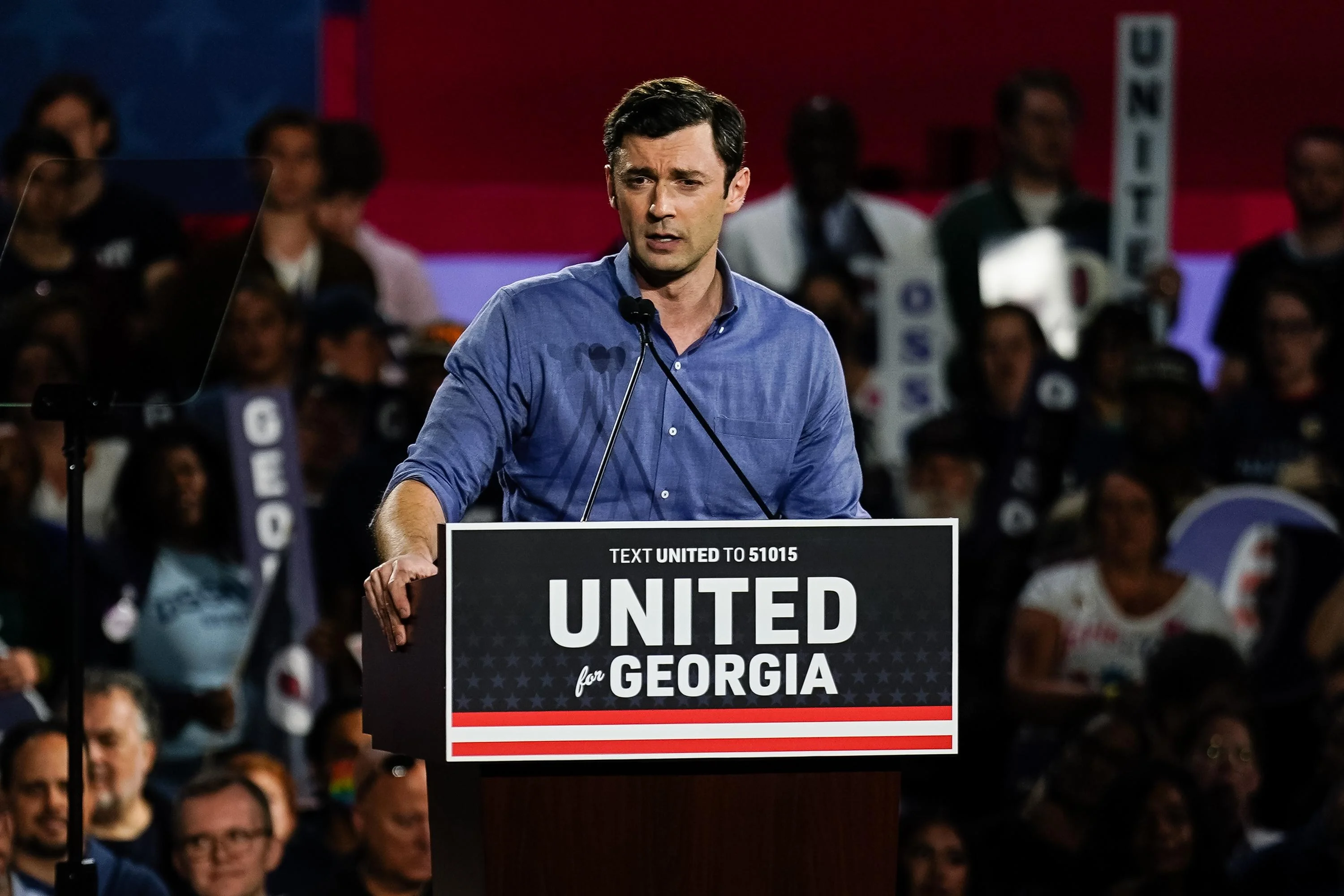
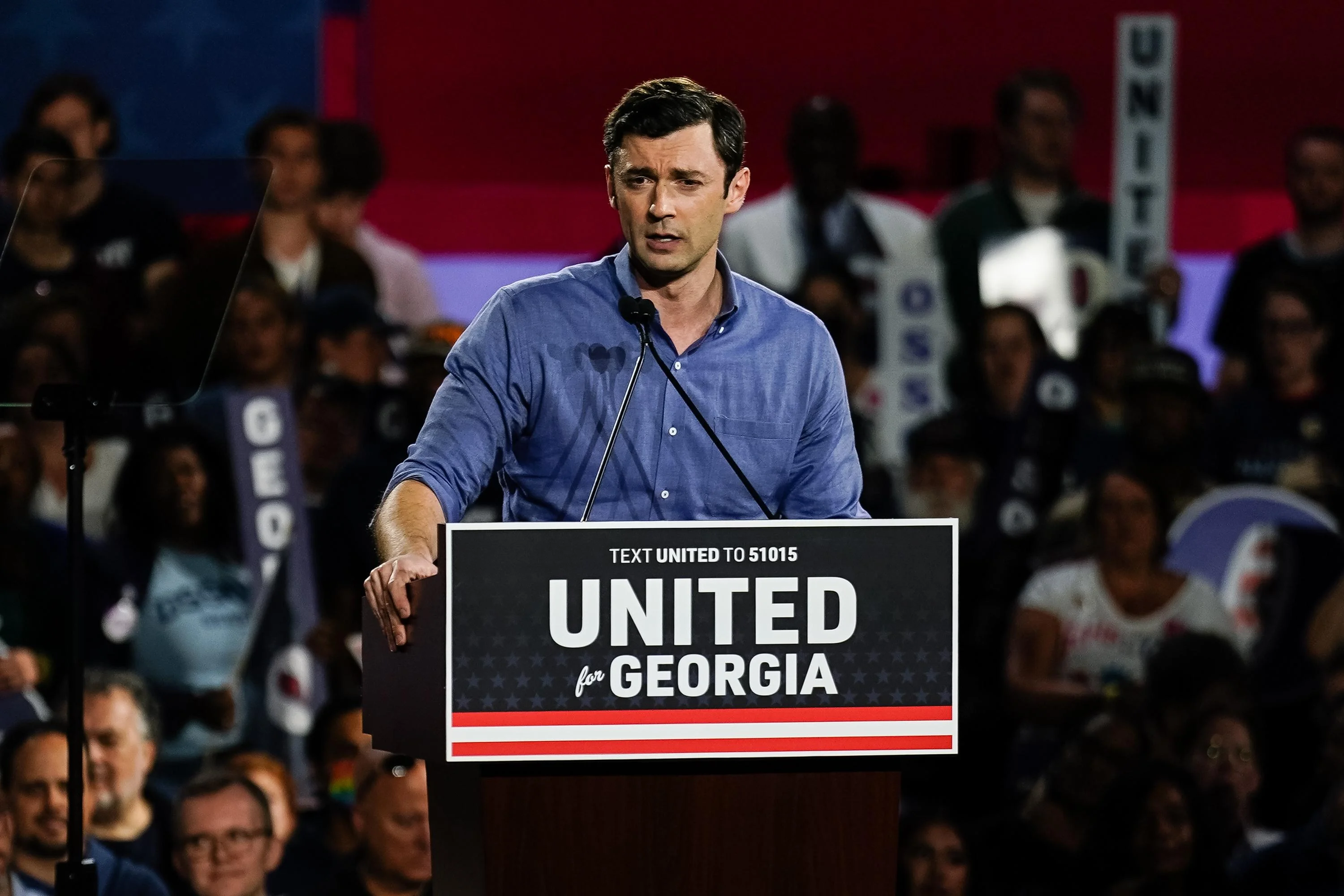
Democrats are testing a distinctly online form of candidate promotion ahead of the 2026 midterms: fan-made videos that turn politicians’ looks into shareable content. Clips of Michigan candidate Abdul El-Sayed lifting weights and edits casting Georgia Sen. Jon Ossoff as presidential material are circulating alongside the party’s arguments about the economy, health care, corruption and the Iran war.
The tactic borrows from a familiar political instinct—good looks can help a candidate attract attention—but social platforms have changed who creates the material and how it travels. Many of the videos come from supporters and independent creators, rather than campaigns commissioning a polished message. For Democratic strategists still assessing the party’s online performance after 2024, that organic reach is part of the appeal.
Fan edits give campaigns a different kind of reach
Grace Panetta, a politics reporter at The 19th, examined the rise of “thirst edits” featuring Ossoff. In an interview with Today, Explained co-host Sean Rameswaram, she said creators she contacted described making the videos because they support the candidates, not because they were paid. Ossoff’s campaign didn’t provide a statement for her report, and Panetta said she found no indication that he was directly involved or reposting the edits.
That distance gives the material a different feel from a standard campaign ad. Supporters can make content in the formats and tones that already circulate on TikTok and Instagram, reaching audiences who might not follow official political accounts. A Democratic operative described the broader ambition to Panetta as winning back ground online and making politics fun, in part because Republicans had done that effectively during the 2024 campaign.
Campaigns still shape what creators have to work with. Ossoff’s team has put out high-quality livestreams of his rallies, giving editors plenty of footage to cut into short clips. Panetta’s read is that the campaign is accommodating the attention around his appearance without directly joining in. That boundary lets supporters carry the message while the campaign keeps its formal communications focused elsewhere.
The activity extends beyond Ossoff. El-Sayed has a visible gym persona, and Democratic accounts—including the Democratic National Committee’s TikTok account and its headquarters account, formerly known as Kamala HQ—have posted edits of both men. One post paired them with the caption, “There are 69 days until election day.” Panetta also encountered edits of California Gov. Gavin Newsom, New York City politician Zohran Mamdani, and former President Barack Obama, whose online following includes a strong streak of nostalgia content.
The 2026 version is built for the fandom era
Attractive politicians have drawn attention for generations; Panetta points to John F. Kennedy and Barack Obama as obvious precedents. What’s different now is the distribution system. The candidate’s image can become a recurring character in a stream of remixes, jokes and fan posts, many made by people outside the campaign’s formal communications operation.
That shift comes amid a Democratic debate about age and digital strategy after the party’s 2024 loss. Panetta said Democrats have been watching how Republicans and the Trump campaign generated engagement through creators and platforms that aren’t exclusively political. TikTok and Instagram are places where many Americans encounter at least some of their news, and informal content can move through those feeds without looking like a conventional campaign pitch.
The format also fits a broader political culture that rewards personality and visual appeal. Panetta described image-consciousness as a bipartisan reality, pointing to Donald Trump’s preference for people who look as if they belong in “central casting.” On the right, some influencers have promoted the idea of making conservatism “sexy” again, often through narrow, male-centered and Eurocentric beauty standards. Democrats’ flirtation with thirst edits reflects the same attention economy, even as the party’s versions are often framed as playful support.
Popularity comes with a gendered double standard
There’s a line between celebrating a politician’s appeal and reducing that person to their appearance. Panetta said most of the thirst videos she saw featured men. Women politicians such as Rep. Alexandria Ocasio-Cortez also receive supportive edits, but women candidates face tighter expectations around both their own presentation and how supporters portray them.
That imbalance affects how the same kind of attention is interpreted. A stream of videos about Ossoff can coexist with his image as a serious legislator, Panetta said. The same freedom may not apply as readily to women in politics, whose appearance is more likely to become a standard against which their competence or seriousness is judged.
For campaigns, the practical question is whether visual attention strengthens a candidate’s broader story or crowds it out. Panetta doesn’t see a single digital tactic as a make-or-break factor. A candidate can trend and still fail to connect if voters are focused on costs, health care or their dissatisfaction with the administration in power.
Attention needs a message behind it
The “Kamala is brat” moment offers a caution. A playful online identity can generate buzz, but Panetta said it didn’t resolve voters’ concerns about high prices or their experience under the Biden administration. Cultural relevance has limited value when it doesn’t meet people where they are.
Ossoff’s appeal, as people Panetta interviewed described it, rests on more than his appearance. They cited his work in Senate hearings, where he presses Trump administration officials without grandstanding, his focus on corruption, and his ability as a speaker. The fan edits may introduce those qualities to people who wouldn’t otherwise seek out a hearing or campaign speech.
That’s the useful way to read the current wave: looks can earn a pause in the feed, while substance gives voters a reason to keep paying attention. Whether the approach helps in 2026 will depend on the larger political mood and on whether candidates connect online visibility to issues voters already care about.


