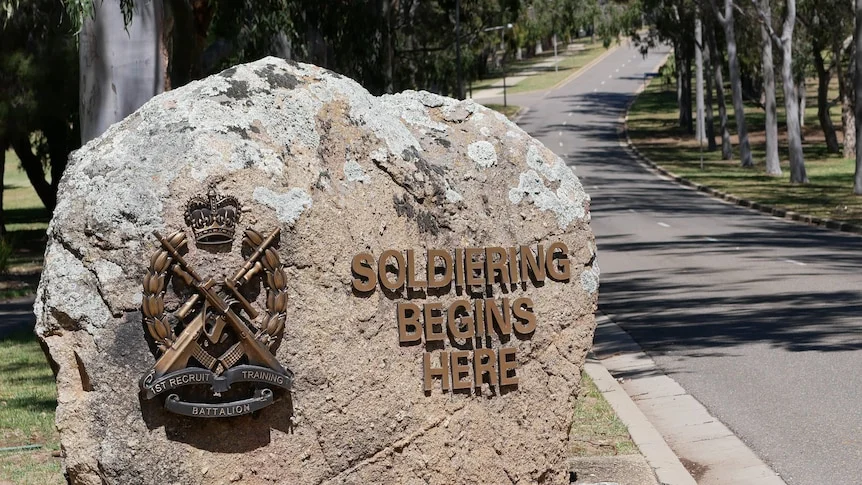
 *The first recruit battalion has trained more than 300,000 Army personnel since its creation 75 years ago. (ABC Riverina: Jess Scully)*
The sounds of training — drums, marching boots, machine-gun fire and shouted commands — remain familiar. The buildings are set to change. Old structures will be demolished and rebuilt, with materials such as bricks reused to retain a visible link to the base’s past.
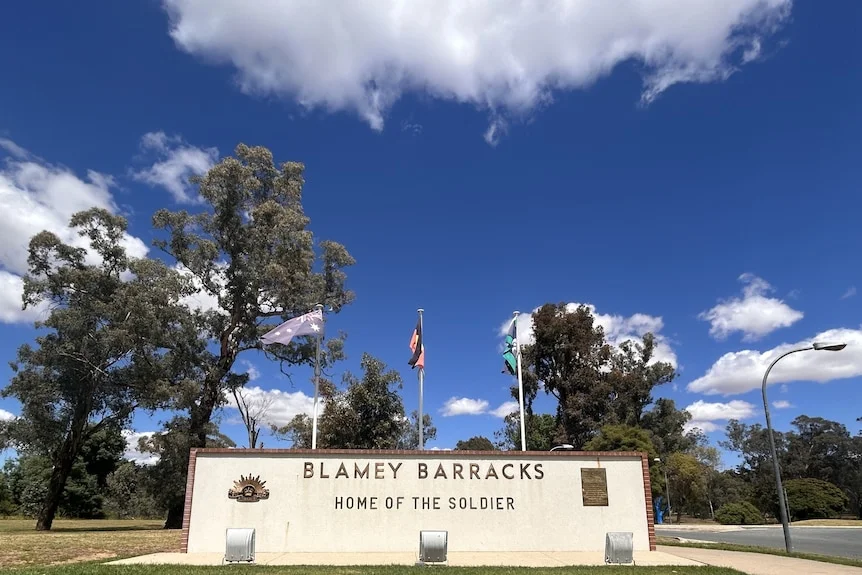 *Blamey Barracks is where every Australian Army soldier trains. (ABC Riverina: Jess Scully)*
Major David Adams, the base’s operations officer, has served six postings at Kapooka — more than anyone currently there. He sees its history in both the buildings and the people who have trained within them.
“You could bulldoze everything and rebuild in a new design but you'd lose that commonality in training,” he said.
That’s more than nostalgia. If you’re rebuilding a place used by generations of recruits, the materials and surroundings can help make that continuity tangible. The question is how much of that connection recycled bricks can preserve as the site is remade.
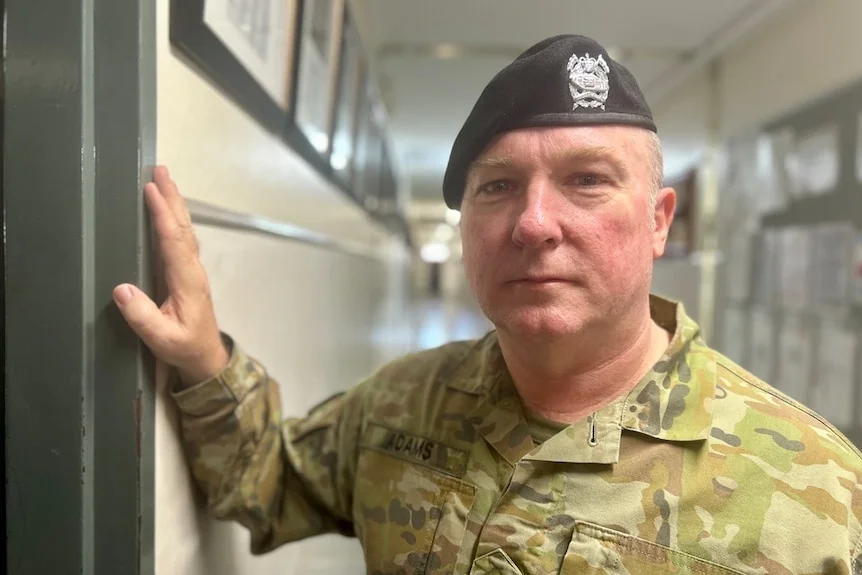 *Major Adams returned to Kapooka to command his former platoon; photos of earlier platoons cover the walls. (ABC Riverina: Jess Scully)*
Adams said the redevelopment would reuse many bricks from demolished buildings. People may train at Kapooka only once, he said, but they remain part of their unit’s history.
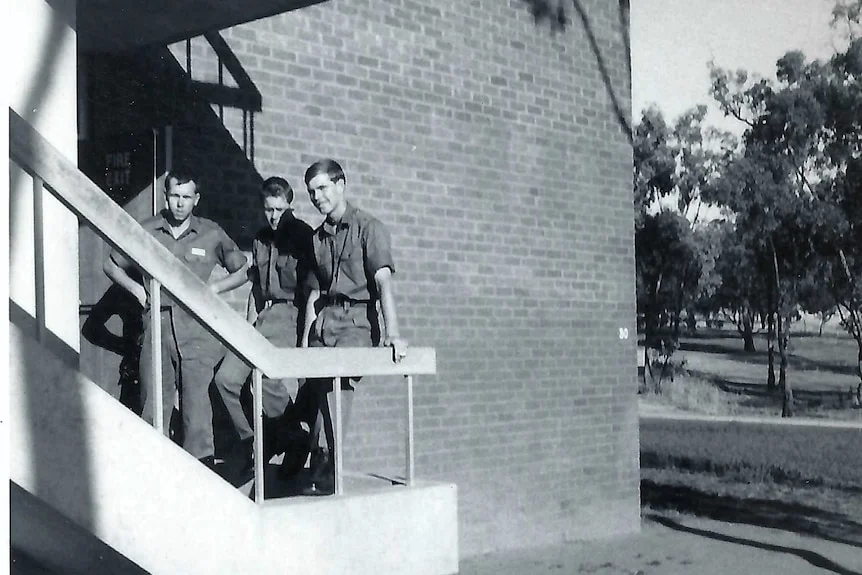 *Recruits on the stairs at Charlie Company. (Supplied: 1st Recruit Training Battalion)*
Recruit Andrew Ingham, in his eighth week of basic training, said seeing photographs of past, present and future soldiers helped him feel part of something larger.
“It is a great sense of honour, there is so much history and you are a part of it now.”
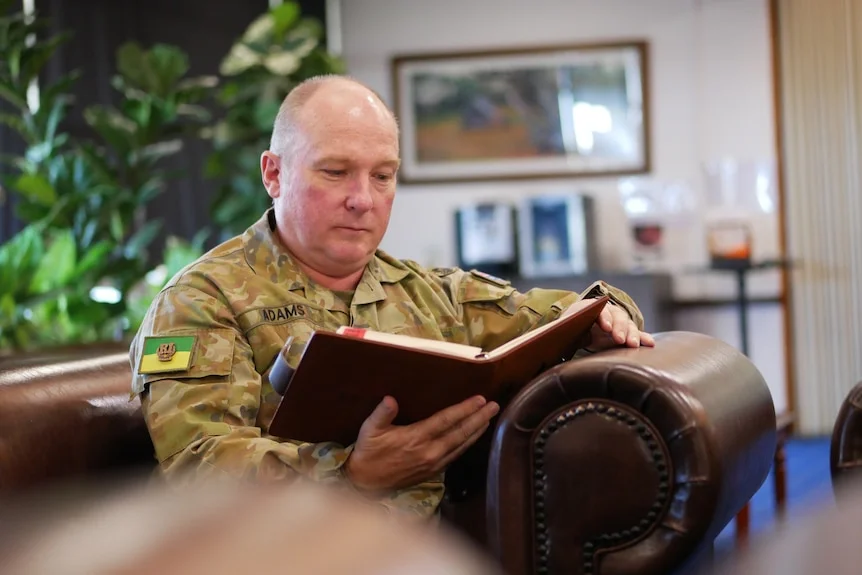 *Major David Adams says a shared history gives Kapooka a special place for Army members. (ABC Riverina: Jess Scully)*
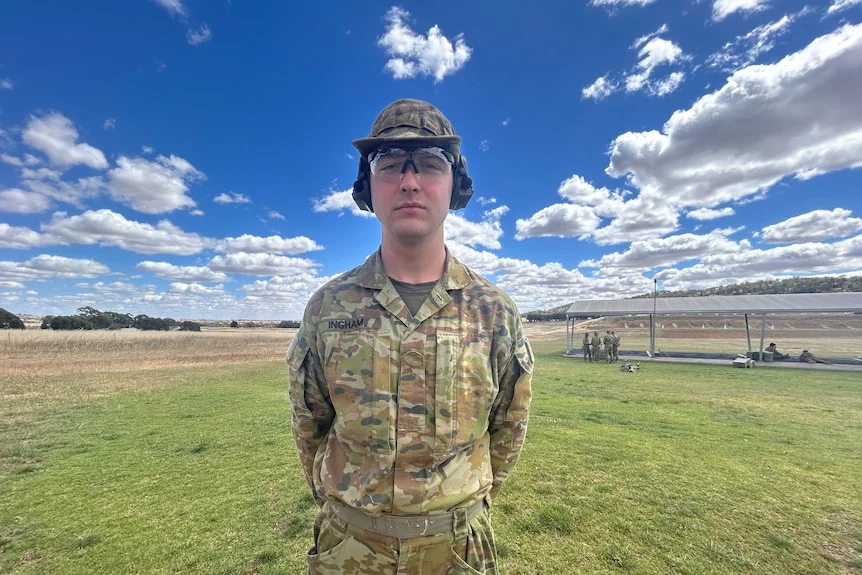 *Private recruit Andrew Ingham has been at Kapooka for nine weeks. (ABC Riverina: Jess Scully)*
## A milestone shared with Wagga Wagga
The 75th anniversary celebrations will recognise the Army’s history and the local community that hosts the base. Captain Kieran Gabriel said the redevelopment reflected Kapooka’s importance to the Army and the nation, while stressing the role of Wagga Wagga.
“We can't do what we do here in Wagga without the community … it's important for us to share this birthday with them.”
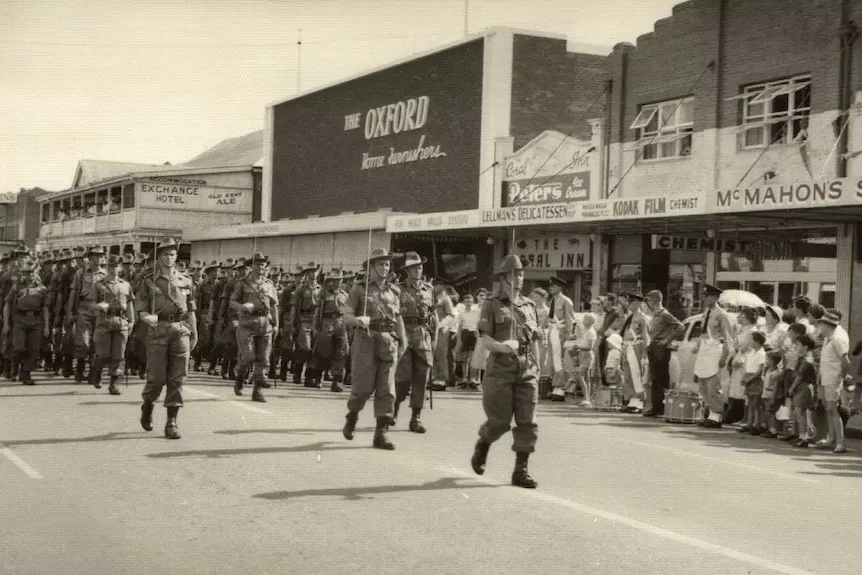 *Wagga Wagga’s Freedom of the City parade for Kapooka in 1962. (Supplied: 1 RTB, First Recruit Training Battalion)*
A base built on mutual support
Kapooka’s ties to the Riverina run deeper than its role as an Army training ground. Major Adams described the relationship as symbiotic: people living within roughly 100 kilometres have worked on the base as drivers, cooks, clerks and grounds staff. Recruits have also helped local communities respond to fires and floods, including building sandbag levees.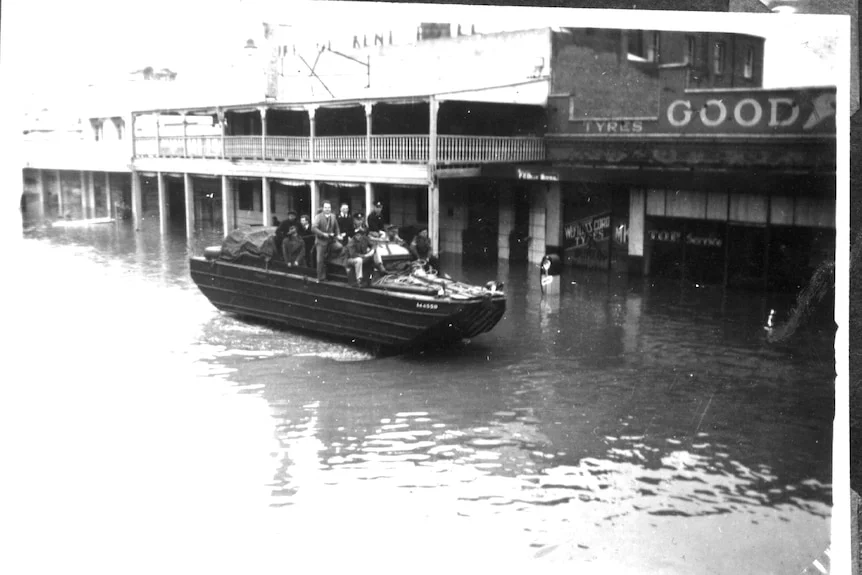
Kapooka members conducting rescue during the 1952 Wagga Wagga floods. (Supplied: 1 RTB, First Recruit Training Battalion. )
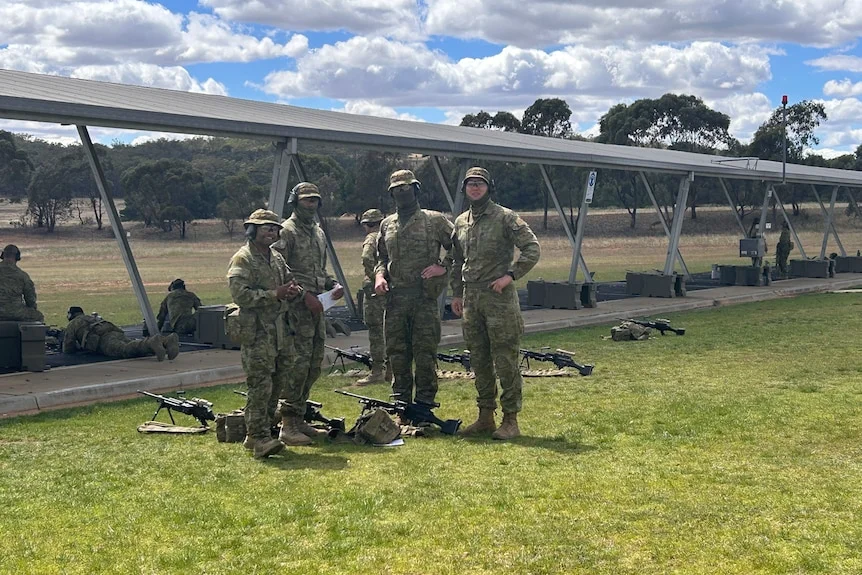
Recruits at Kapooka Army base training on the rifle range. (ABC Riverina: Jess Scully )


