Bunnings has removed a Halloween straitjacket costume from its online marketplace after SANE Australia said the product reinforces stigma around mental illness. The listing’s withdrawal puts renewed focus on how retailers handle products that turn psychiatric treatment into a joke. It also raises a practical question for online marketplaces: who checks the meaning and likely impact of products offered by sellers, and what happens when a concern is raised?
The costume included arm ties and a message on the back: “Property of the county mental institution — approach with caution!” That wording borrows from a familiar horror image: a person with mental illness presented as dangerous and fit for confinement. Bunnings said it removed the listing once the concerns were brought to its attention, a response that addresses the immediate complaint while leaving the broader question of how such items reach store pages unresolved.
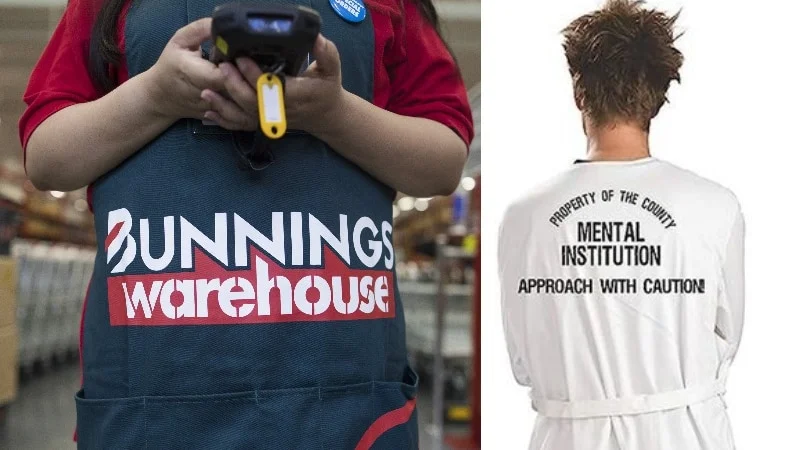
Bunnings has removed the Halloween costume from its online store following criticism. (Supplied: AAP/Spotlight)
Why SANE objected
SANE Australia, which supports people with complex mental health issues, argued that businesses undermine public support for mental health when they sell products built around stereotypes. Chief executive Rachel Green told ABC Victoria Statewide Drive: “The time has well and truly come for us to stop turning a blind eye to these kinds of tropes in the community.” Her criticism goes beyond one costume: it challenges retailers to consider whether a product’s joke depends on portraying a group of people as threatening or absurd.
Green compared the costume with dressing as a cancer patient, asking why a portrayal of mental illness is treated as acceptable Halloween entertainment. The comparison asks consumers to examine the standard being applied: illness can be part of someone’s life without becoming a suitable prop for mockery. For SANE, the issue is the way the outfit invites people to mock and fear those living with mental health conditions.
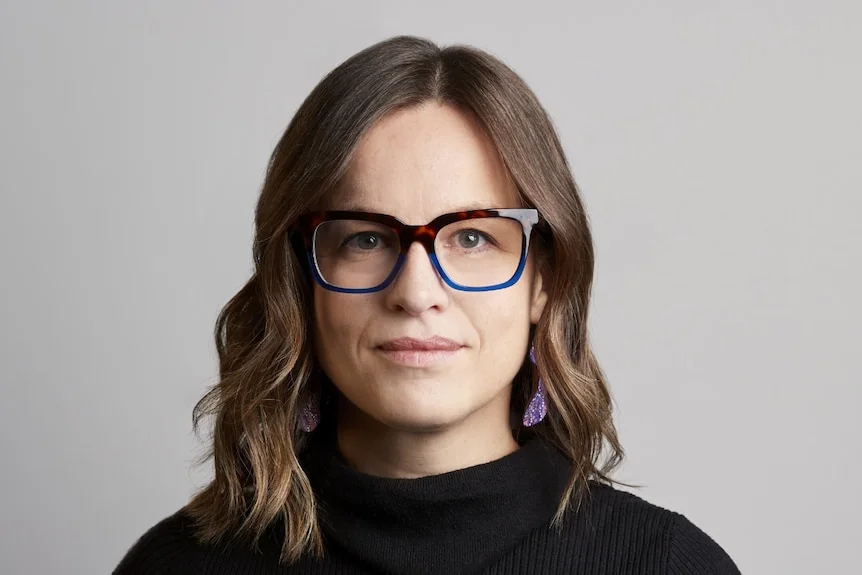
Rachel Green says it's unacceptable for businesses to publicly support mental health while profiting from products that reinforce stigma. (Supplied: SANE Australia)
SANE ambassador Sandy Jeffs, an author who lives with schizophrenia and was a patient at Melbourne’s former Larundel Psychiatric Hospital, described such costumes as insulting and “downright mad-shaming.” She said Halloween can be fun, but straitjacket outfits push the joke into a darker territory, making people with mental illness targets for ridicule. The costume’s message sharpens that concern by linking psychiatric care with danger, rather than treating the outfit as an abstract spooky image.
“We're just ordinary people with a very extraordinary illness … dealing with the stigma that surrounds these conditions every day,” Jeffs said.
Other retailers still carried the outfit
Bunnings’ decision addressed its own marketplace listing, while the same costume was also available through Kmart, Dick Smith, Amazon and smaller costume shops. Kmart and Bunnings are both owned by Wesfarmers; the ABC said it had contacted the company for comment. The spread across retailers matters because removing a listing from one site doesn’t necessarily change what shoppers can find elsewhere.
Green said the products can affect families supporting someone through serious illness, including a young adult showing early signs of psychosis. She asked how those families might feel seeing people wear a caricature based on psychiatric institutions. That concern shifts the discussion from whether a costume is intended as a joke to who is expected to absorb the joke, and what it communicates to people already dealing with stigma.
The dispute echoes a 2024 SANE social media campaign that led Big W to remove Halloween costumes. Green said Spotlight also pulled the costume at the time, but had since listed it again; the outfit remained on Spotlight’s website on Saturday. The ABC said it had contacted Spotlight for comment. The sequence suggests that a product’s removal can be temporary, or limited to a particular seller, unless retailers make a continuing decision about whether to carry it.
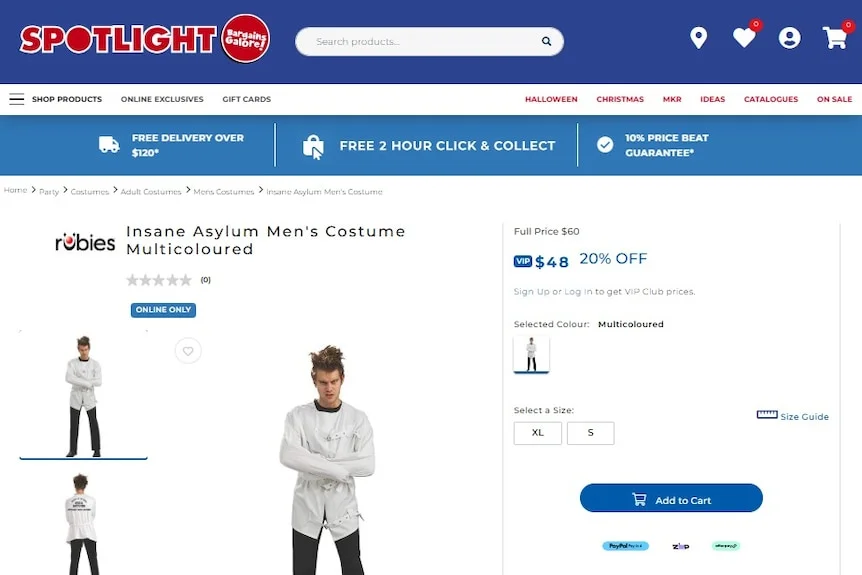
The costume remained available on the Spotlight website on Saturday. (Supplied: Spotlight)
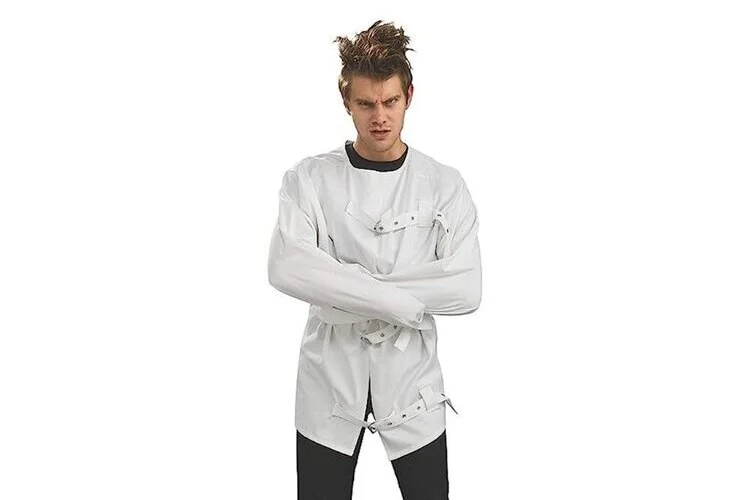
SANE Australia has criticised companies for selling the costume which it says relies on old "tropes". (Supplied: Spotlight)
What the listings reveal
The listings show how a product can disappear from one retailer and remain on sale elsewhere. For online marketplaces, that creates a gap between a quick response to a complaint and a consistent approach across sellers and channels. Similar marketplace disputes often turn on who is responsible for reviewing a listing and whether a retailer’s response reaches every version of the product it hosts.
This is more significant than it looks: the decision is about the assumptions a retailer allows into its shop, not only the wording on a costume. That said, a removal by one company doesn’t establish that other retailers have reached the same view. If you're working in retail, the case is a reminder that product review can involve reputational judgment as well as basic listing accuracy (and this is the part most people overlook).
SANE’s campaign now turns on whether retailers will revisit these costumes as Halloween approaches. The answer will show whether the removals remain individual reactions to criticism or prompt a broader review of products built on psychiatric stereotypes. For shoppers, the immediate point is simple: the same item may be absent from one store and still available from another. A familiar joke. A choice with consequences.


