New evidence puts Simon Rochford in the orbit of three unsolved UK deaths
The significance of Simon Rochford’s story reaches beyond Perth. A documentary tracing the prime suspect in Pamela Lawrence’s 1994 murder has uncovered evidence placing him near three unsolved deaths in England years earlier. That proximity raises serious questions, but it doesn’t establish that Rochford was responsible for those deaths.
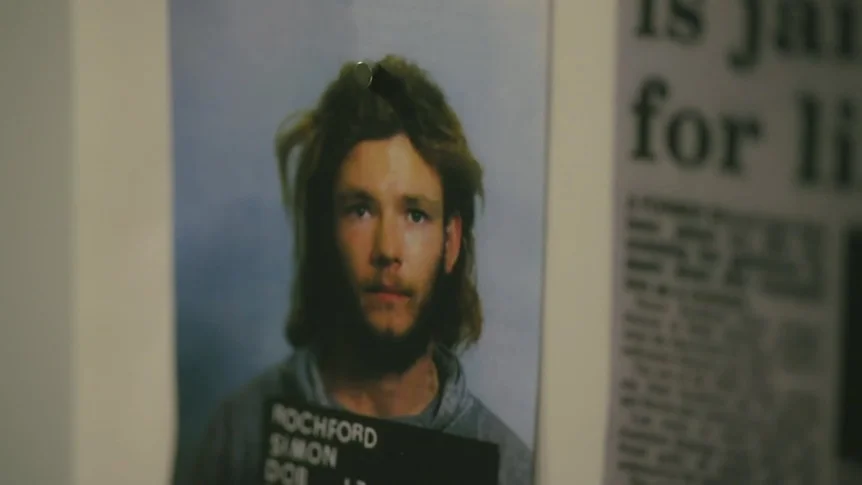
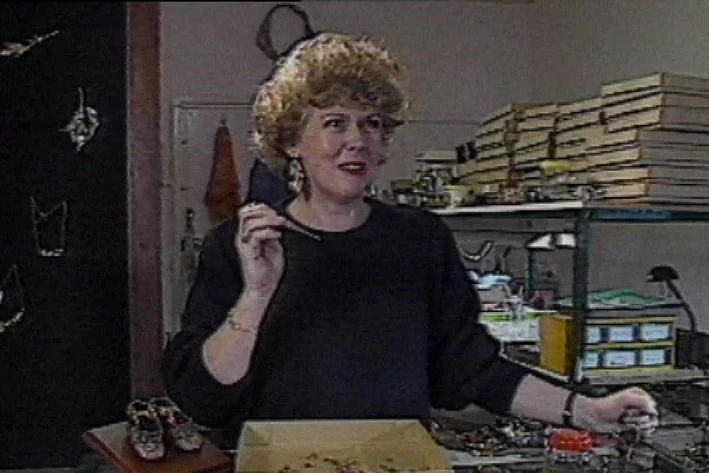
Lawrence was killed in her Mosman Park jewellery shop in 1994. Andrew Mallard, a local man, was wrongly convicted and sentenced to 20 years. He spent 12 years in prison before an investigative campaign led by journalist Colleen Egan helped clear his name and secure his release in 2006. Mallard later died in a hit-and-run in Los Angeles in 2019.
A later cold case review identified Rochford as the likely killer. He was already serving a 15-year sentence for murdering his girlfriend, Brigitta Dickens, who was killed seven weeks after Lawrence in similar circumstances. Rochford died by suicide in 2006, the night after an ABC television news report named him as a person of interest in Lawrence’s murder.
Now, Mark of a Murderer follows Egan, who is a West Australian Labor MP and has spent 28 years on the Lawrence case, as she investigates Rochford’s early adulthood in Stroud, Gloucestershire. “We knew so little about him and so little about his life back in the UK,” she said.
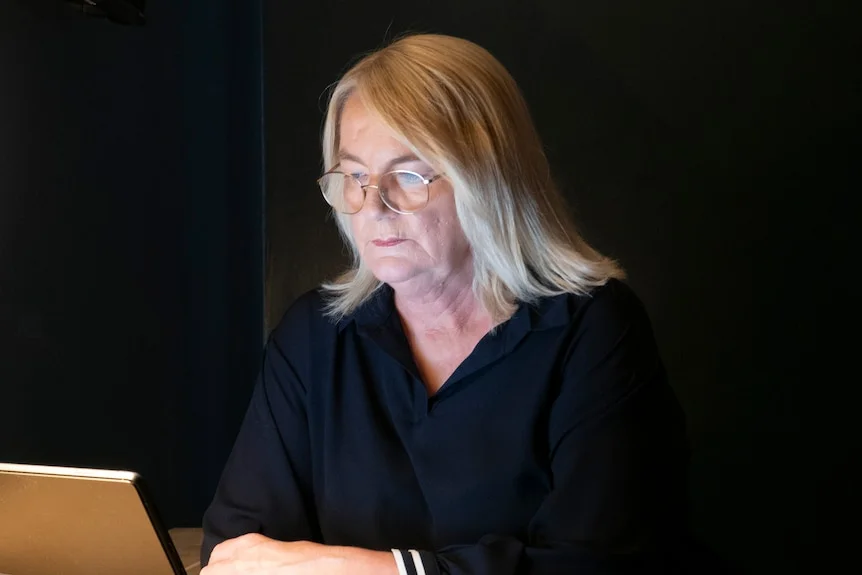
The documentary’s new reporting places Rochford in close physical proximity to at least three suspicious deaths in the UK, dating to 1989, 1992 and 1993. Egan travelled to Stroud and worked with a forensic expert and a criminologist. Their findings prompted local police to investigate.
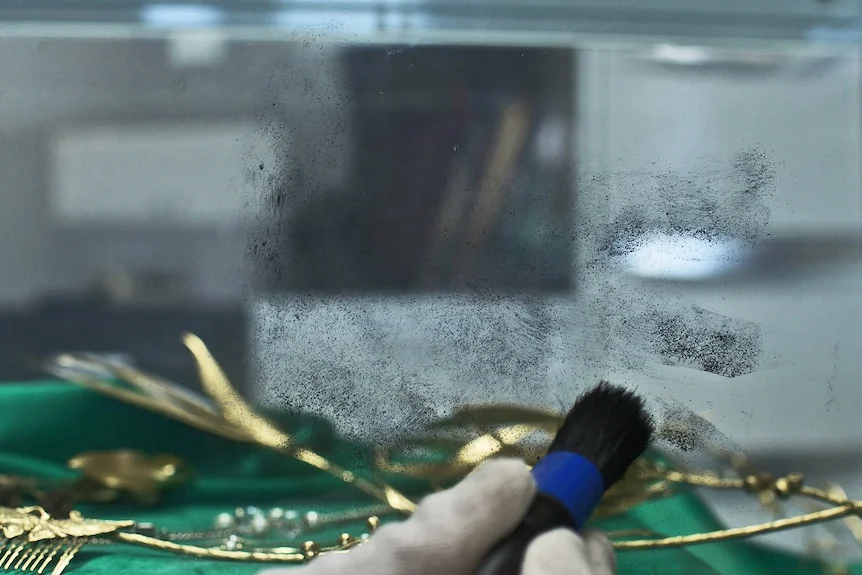
Three deaths under renewed scrutiny
The reporting drew on conversations with Rochford’s former friends, an employer and others who suspected he may have committed crimes in Stroud. In one case, the team found he had lived on the same street as a university student who died in a suspicious barn fire.

They also found a journal kept by someone who investigated the fire at the time. It raised questions about a man named “Simon” and said he was connected to another death in 1993. The fragment doesn’t explain how the team established that this “Simon” was Rochford, so the journal’s significance needs to be read with that gap in mind.
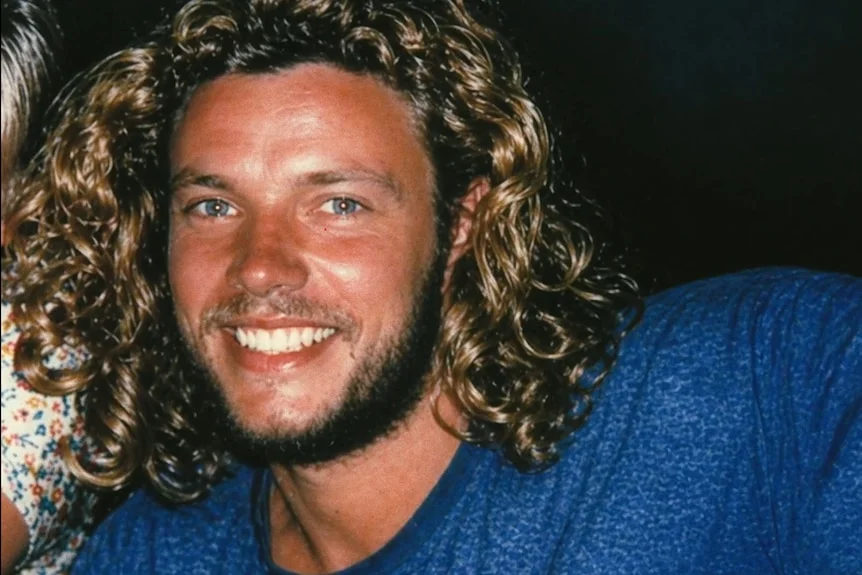
“A lot of what we collected was information that was very new to the Gloucestershire police,” Egan said. She said officers viewed Rochford as a person of interest after seeing the dossier, though they had not previously known of him.
Egan said that, according to police, using a dossier like theirs to reopen decades-old cold cases was almost unheard of in the UK. The new inquiries sit alongside a broader question the documentary raises: how can justice systems reduce wrongful convictions and the harm they leave behind?
The case for an independent review body
More than 70 wrongful convictions were documented in Australia from 1922 to 2015. That record gives the proposal at the heart of the documentary a concrete basis: Egan is campaigning for an Australian Criminal Cases Review Commission, an independent body similar to commissions in the UK, New Zealand and Canada.
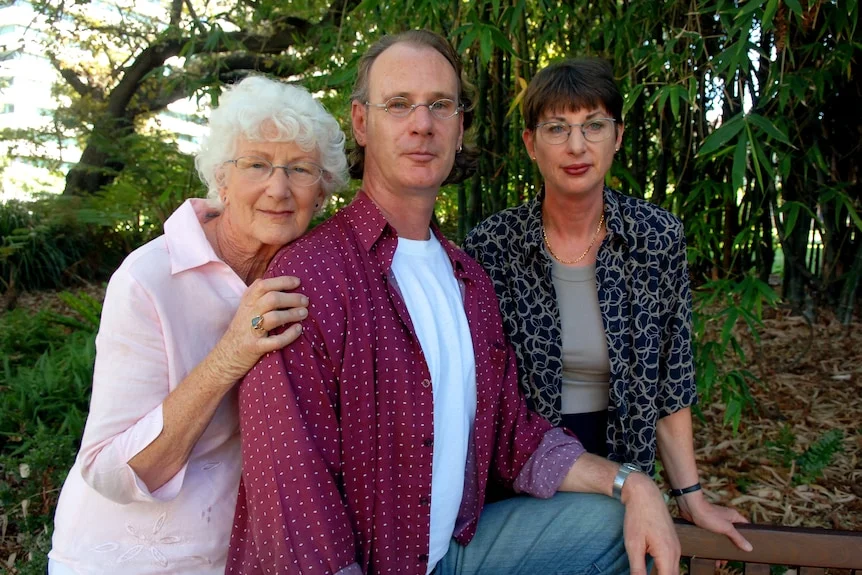
“The effect on families, not only the person who has been imprisoned, but also the victim’s families — to go through this long ordeal, is heartbreaking,” Egan said. She believes an independent commission makes sense. For anyone following the Rochford investigation, Mallard’s case is a reminder that pursuing new leads matters, but so does having a system capable of correcting a wrongful conviction.
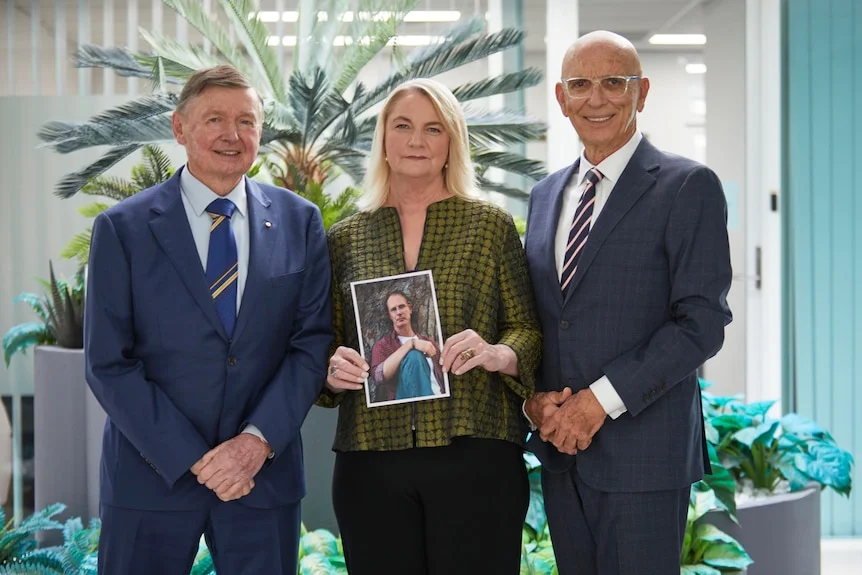
Malcolm McCusker, Colleen Egan and John Quigley were all involved in the effort to exonerate Andrew Mallard. (Supplied: Mark of a Murderer)
When the system gets it wrong
The Andrew Mallard case is a reminder that a jury’s verdict can be wrong. Former High Court justice Michael Kirby makes that point in the documentary, while also arguing that institutions must do more to reduce such failures. “The jury is a wonderful system, but it can make mistakes,” he said. He added that there had been too many such errors in recent times.
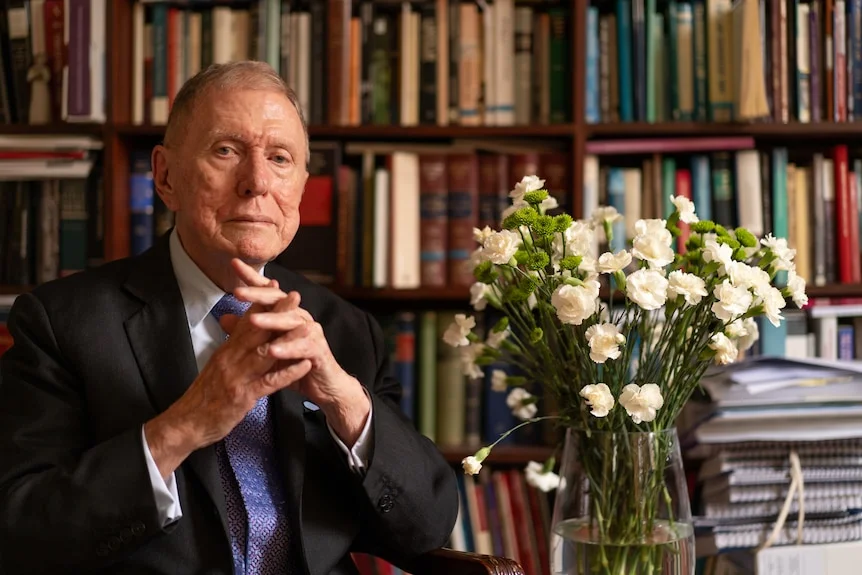
Michael Kirby says juries can make mistakes. (ABC News: Shaun Kingma)
A model with flaws
Colleen Egan acknowledges that the UK’s Criminal Cases Review Commission has faced criticism over missed cases and long delays. Still, she argues it offers a model worth following: Egan says it has sent hundreds of cases back to court, where people were later exonerated. That record makes the case for a review body, even if the commission’s own shortcomings show how much depends on how such a system is run.
Mark of a Murderer premieres Monday 16 November at 8:30pm on ABC TV. All episodes will be available to stream on ABC iview.


