WA schools are teaching more Auslan. The question is who gets to teach it.
Auslan is spreading through Western Australian schools, bringing Deaf expertise into classrooms while raising a harder question: are Deaf professionals getting the support they need to take part?
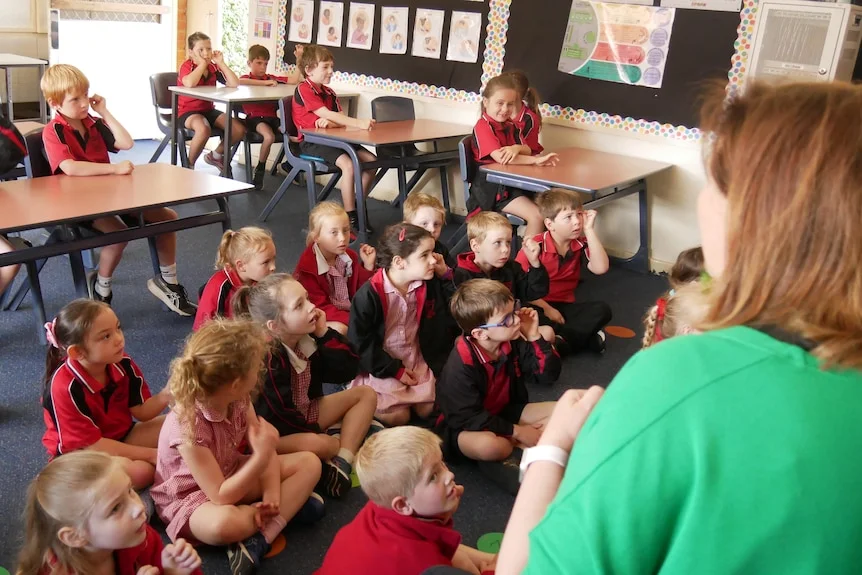
Beverley District High School, about 120 kilometres east of Perth, is one of nearly 130 public schools in the state that teach Auslan. The school’s program has become a favourite among students, from pre-primary to Year 8, who attend up to two classes a week. Hearing teacher Isabel Freeman leads the lessons, with guidance from qualified Deaf teacher and mentor Angela Linfitt.
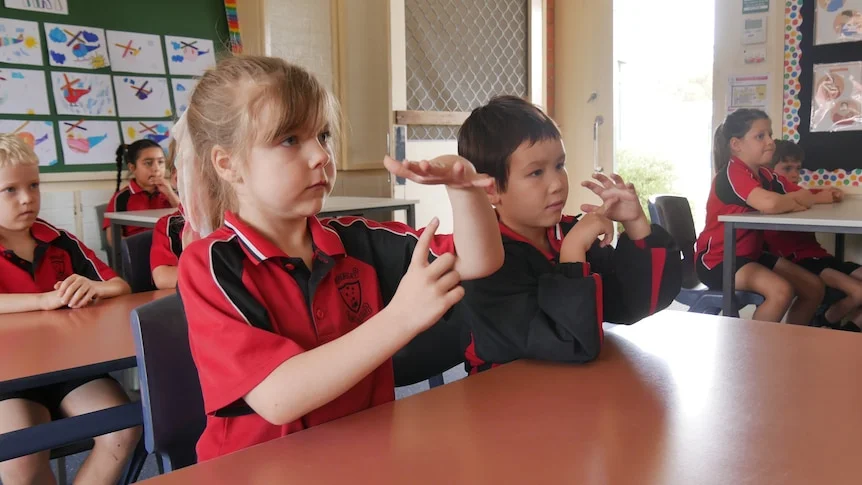
In these classes, quiet doesn’t mean little is being said. Students communicate through signs as they concentrate on learning the language.
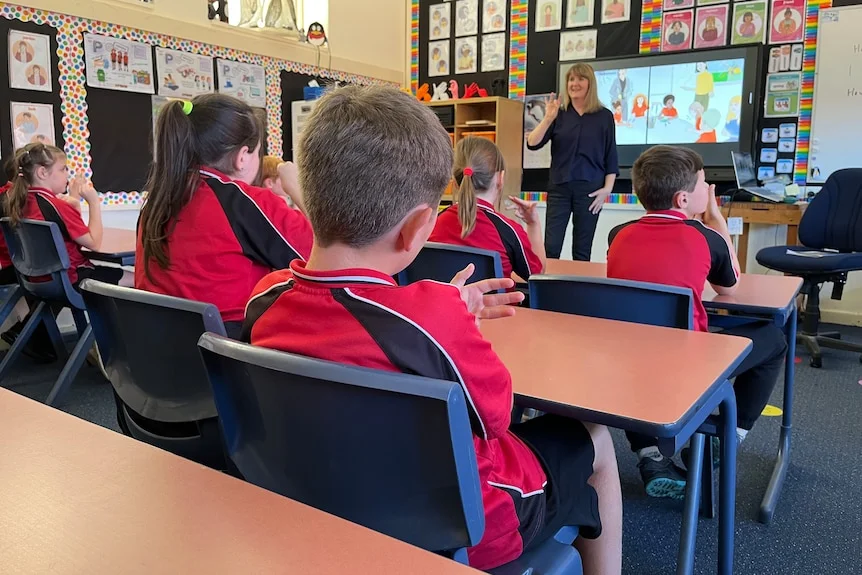
Local lessons, with Deaf guidance
Freeman began teaching Auslan by chance. While working as a secondary English and HASS teacher, she taught the language to a non-verbal student. When the school’s Italian teacher retired, the school asked Freeman to take over Auslan as its Language Other Than English subject.
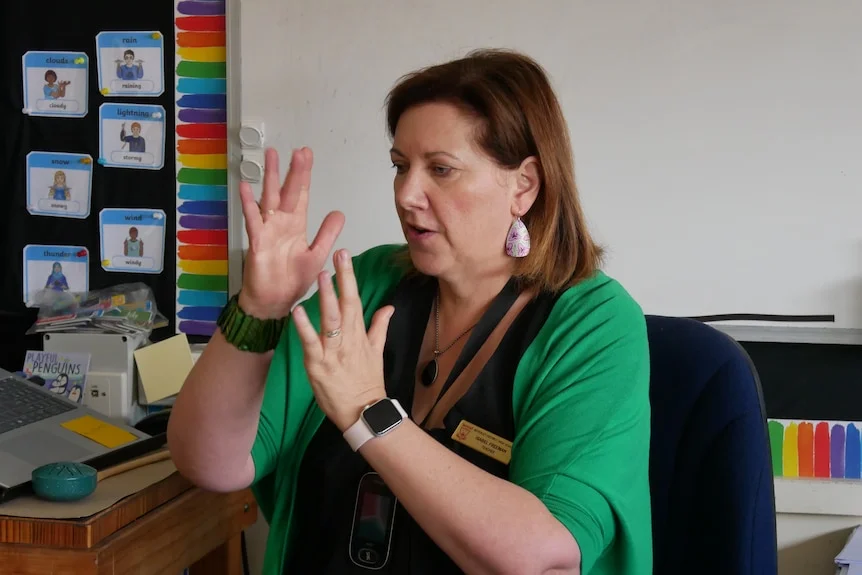
She has now taught the program for four years. Linfitt has helped shape it, advising Freeman on how to teach Auslan in a culturally informed way. Freeman says that input makes the classes more authentic.
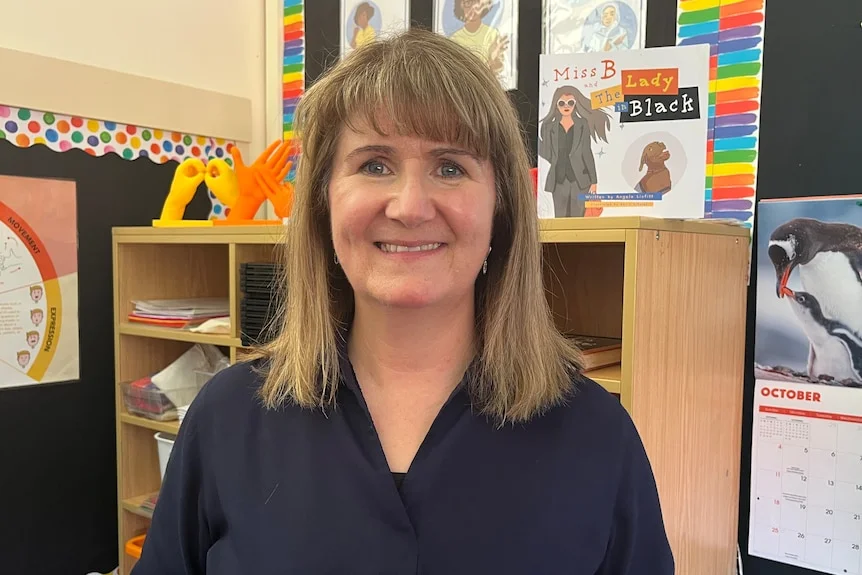
That partnership points to a bigger issue in the program’s expansion. Linfitt says Deaf people are language specialists, and their involvement helps ensure Auslan is taught correctly. But WA school-based teachers must have teacher registration and Auslan training—requirements that can make it harder for Deaf community members to enter the profession.
“It's critical [to have deaf mentoring] because deaf people are professionals, they are specialists of their own language,”
Ms Linfitt said.
She says funding is also insufficient to support Deaf people in these roles. University can be difficult to access, she says, and students may need extra help with services and with navigating the system. The program is creating opportunities, but its growth alone won’t remove those barriers.
Skills that leave the classroom
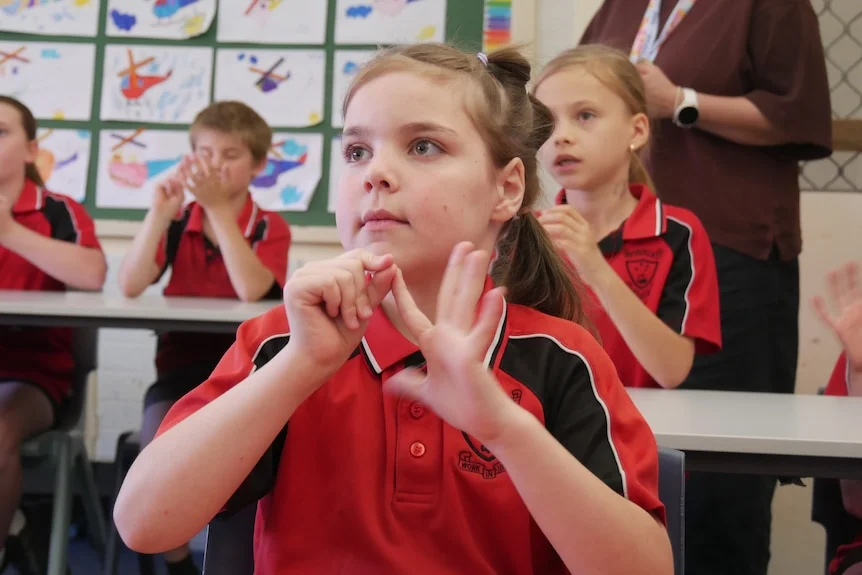
For student Bethel Fraser, learning Auslan means being able to pass it on. “In Auslan we can teach other people around us so that soon everybody knows Auslan so we can communicate with the deaf,” she said.
One student at the school has a diagnosed hearing impairment. Principal Wendy Norris, who joined the school earlier this year, says the value of the lessons reaches beyond that single classroom need: students can use what they learn to communicate more inclusively in the wider community.
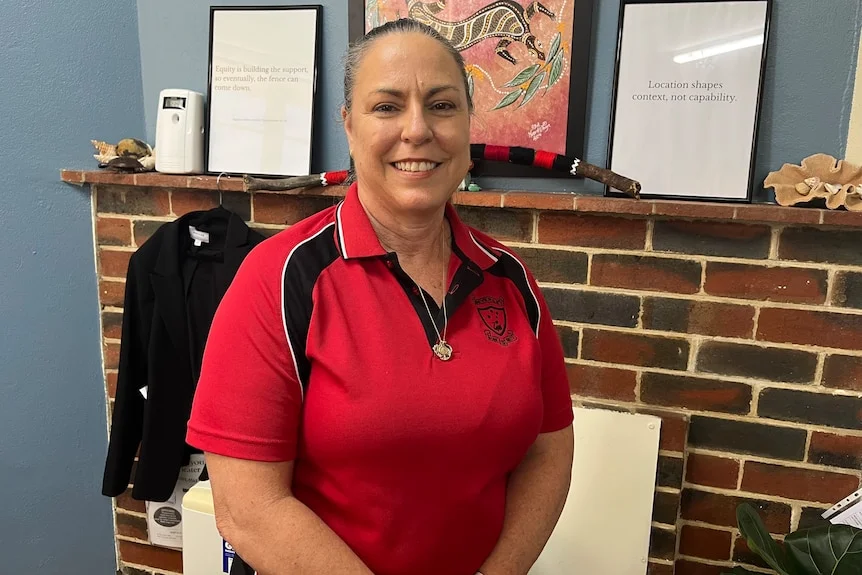
“They can take these skill sets as life skills to be able to communicate with all people from all cultures and all diverse populations.”
Students have also visited Beverley Frail Aged Lodge to teach residents everyday signs. Freeman says the children enjoyed being the experts and teaching an older generation. That kind of exchange makes the promise of school Auslan tangible: students can use the language with people beyond their own age group and school.
Auslan lessons give students a shared activity where reading, writing and maths aren’t prerequisites for taking part. That’s the point Ms Freeman sees in the classroom: everyone can join in, learn and succeed, and she says the students’ enthusiasm makes it the best job in the world.
A level playing field
For Freeman, the appeal is also in how Auslan is taught. The lessons differ from traditional classes, she says, while remaining accessible to all students. The fragment doesn’t explain what those lessons look like in practice, but her description suggests their value lies partly in giving students another way to participate and show what they can do.


