A transport decision with conservation consequences
Queanbeyan-Palerang Regional Council has endorsed a road route through the Wandiyali-Environa Wildlife Sanctuary, putting a long-running transport debate in direct conflict with years of conservation work. The proposal, known as Option 5, still needs a decision from the New South Wales government, and that decision isn’t expected before mid-next year. The council’s endorsement therefore marks a significant step in the process, but it doesn’t settle whether the route will proceed.
The dispute brings two needs into direct competition: better connections for growing communities and protection for a habitat that’s already being managed and studied. Each carries costs that are difficult to reverse. A road can change how people travel, while a route through a sanctuary may alter how habitat functions over time. The decision now rests with a state government weighing a council-backed proposal against concerns raised by conservation advocates and the landowner.
What the sanctuary protects
Established nearly a decade ago, the sanctuary protects box-gum grassy woodland and habitat for native species including gang-gang cockatoos and pink-tailed worm lizards. A koala was also spotted there earlier this year, a rare sighting in the ACT region. Environmental coordinator and landowner Carolyn Larkham says new plant and animal sightings continue to reveal the site’s ecological value.
That growing record matters because a sanctuary’s value isn’t limited to the species already known to be present. Continued sightings can add to understanding of what the property supports, while community activities connect people with the place and its ecology. They don’t, by themselves, determine whether a road can be built there. But they help explain why Larkham and conservation advocates see the site as more than an unused corridor on a transport map.
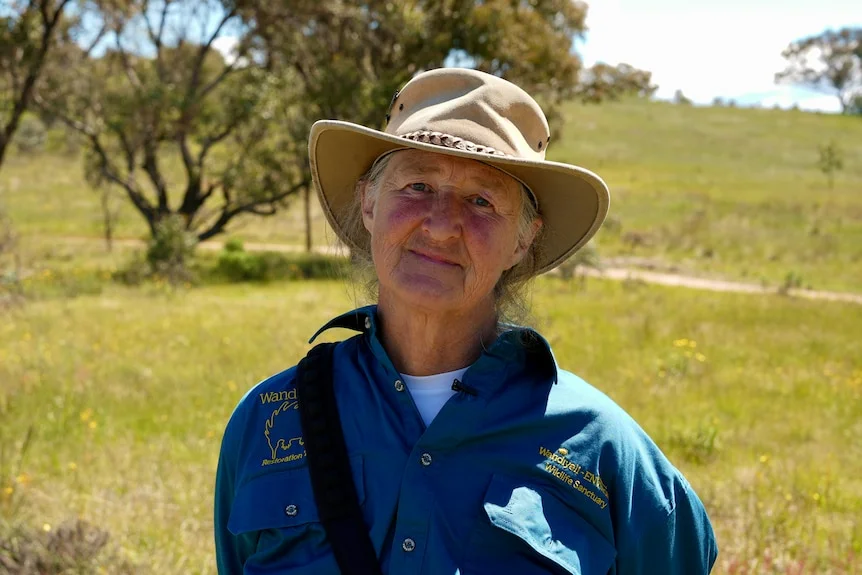
Carolyn Larkham opposes council's proposal to build a road through the sanctuary. (ABC News: Adam Shirley)
A route chosen amid competing costs
The council selected Option 5 after reviewing development alternatives and a consultant’s report. The route is more expensive than several other proposals, but the report found it had a higher cost-benefit ratio. Mayor Kenrick Winchester described it as the only viable option and said the council would commission studies to support its case to the NSW environment minister.
Those findings point to a decision shaped by competing measures, rather than a simple comparison of construction costs. The consultant’s assessment favoured Option 5 on cost-benefit grounds, while its price is higher than several alternatives. The article doesn’t set out the report’s underlying assumptions or explain how environmental effects were weighed in that ratio. That makes the studies the council plans to commission an important part of the case it intends to put to the minister.
For residents of the expanding Googong and Jerrabomberra areas, improved connections to Canberra and the ACT have been sought for decades. Winchester said each route presented problems, and the council wouldn’t back one that cut through existing suburban development or required homes to be acquired. That position sets out the council’s priority: avoid displacing residents, even if the preferred route places pressure on a protected area.
Here’s the thing: a route can look preferable from the perspective of avoiding homes while still raising difficult questions about the long-term effects on habitat. Neither consideration makes the other disappear. For residents, the prospect of improved connections is tied to how their communities grow and connect with Canberra. For conservation advocates, the question is whether the sanctuary’s ecological value can survive a new road through it.
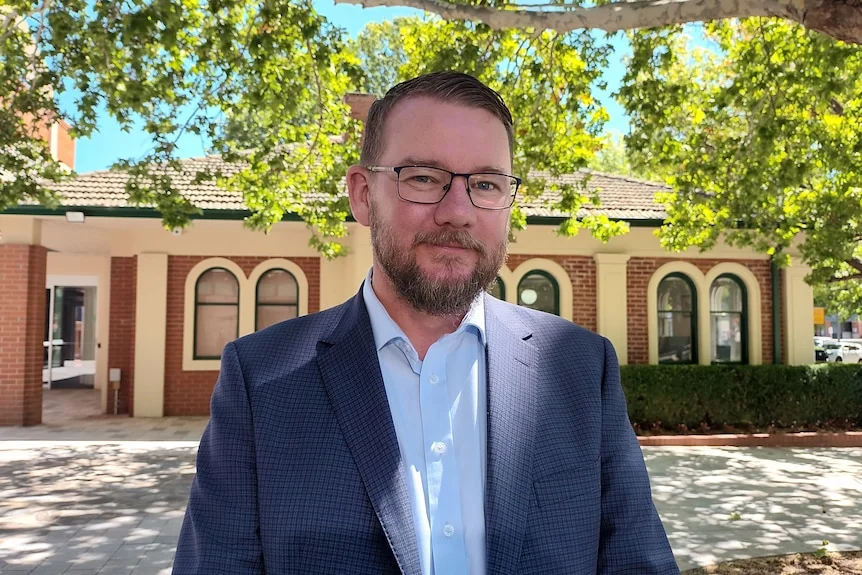
Kenrick Winchester says putting the road through the sanctuary is the right choice. (ABC News: Ruby Thomas)
“We would much prefer to have a small impact on that sanctuary site than potentially have to knock down, compulsorily acquire houses that people have spent generations growing up in,” Winchester said. He said council wants to limit harm to the sanctuary while weighing environmental concerns against population needs.
His argument frames the choice as a comparison between a limited environmental impact and the loss of homes with deep family ties. But the scale and nature of the sanctuary impact remain central to the disagreement. The council’s planned studies will need to explain how it expects to limit that harm, and what evidence supports its view that Option 5 is the workable route.
Conservation concerns remain
Larkham called the council’s choice disappointing, arguing that other routes and recommendations deserved consideration. Her concern is that a road through the property would divide habitat and erode the sanctuary’s value over time. “Habitat fragmentation is such a death of a thousand cuts to these sorts of areas,” she said.
Fragmentation describes a concern that can be hard to capture by looking only at the footprint of a road. Similar infrastructure decisions can divide habitat into smaller areas and make the effects of a project extend beyond the land directly occupied by construction. The source doesn’t quantify the likely impact of Option 5, so the extent of that risk remains a question for the assessment ahead. Even so, Larkham’s point is clear: a series of smaller changes may add up.
Matt Whitting, who chairs the Conservation Council ACT biodiversity working group, said he understood the pressure on Googong residents but pointed to 25 years of conservation work at the protected site. He warned against sacrificing places with high conservation value when opportunities to protect them are limited. That argument puts the council’s immediate transport choice against the longer effort already invested in caring for the property.
This is more significant than it looks. The sanctuary’s role isn’t only measured in the wildlife recorded there today; the ongoing sightings, conservation work and community programs also show how people have come to value it. And yet the route debate can’t be resolved by citing those values alone. The state decision will turn, in part, on how the council’s studies describe the effects and whether its case for limiting harm persuades decision-makers.
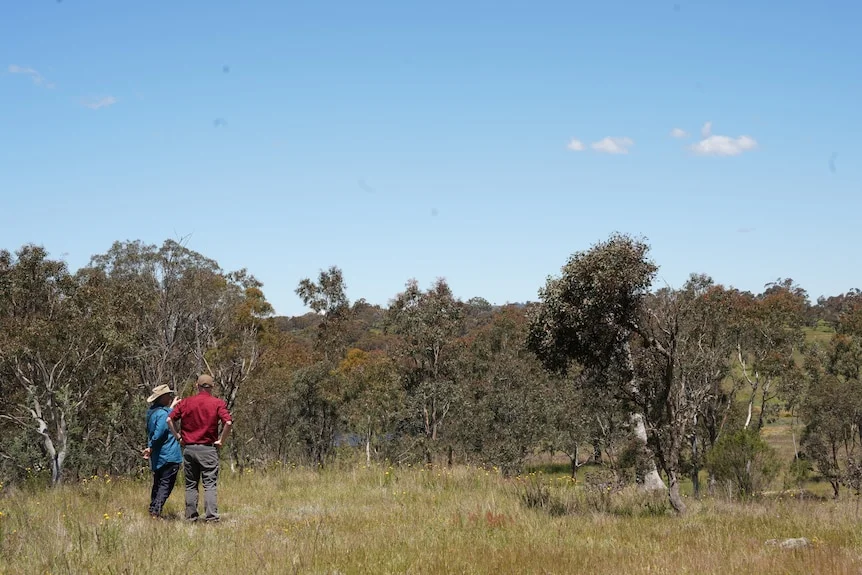
The Queanbeyan-Palerang council will take its case to the New South Wales government. (ABC News: Adam Shirley)
What the state decision will test
The sanctuary also runs community activities, including programs with Jerrabomberra High School and the University of Canberra, as well as wildflower walks. Those connections bring students and visitors into contact with the property, giving the conservation work a public dimension alongside its ecological purpose. They also widen the stakes: the proposal affects a place used by a local community, not just a line between two points on a map.
The New South Wales government’s decision, expected no earlier than mid-next year, will determine whether the council’s endorsement can advance. For now, the council says it will prepare studies to support Option 5, while Larkham and Whitting are pressing for the sanctuary’s long-term value to carry greater weight. If you’re working in this space, the central question is how clearly the evidence will set out both the transport case and the consequences for habitat.
There’s a real tension here. The council has identified a route it considers viable, and residents have sought better connections for decades; conservation advocates see a risk to a site shaped by years of protection. The decision will have to account for both. A difficult balance, with the evidence still to come.


