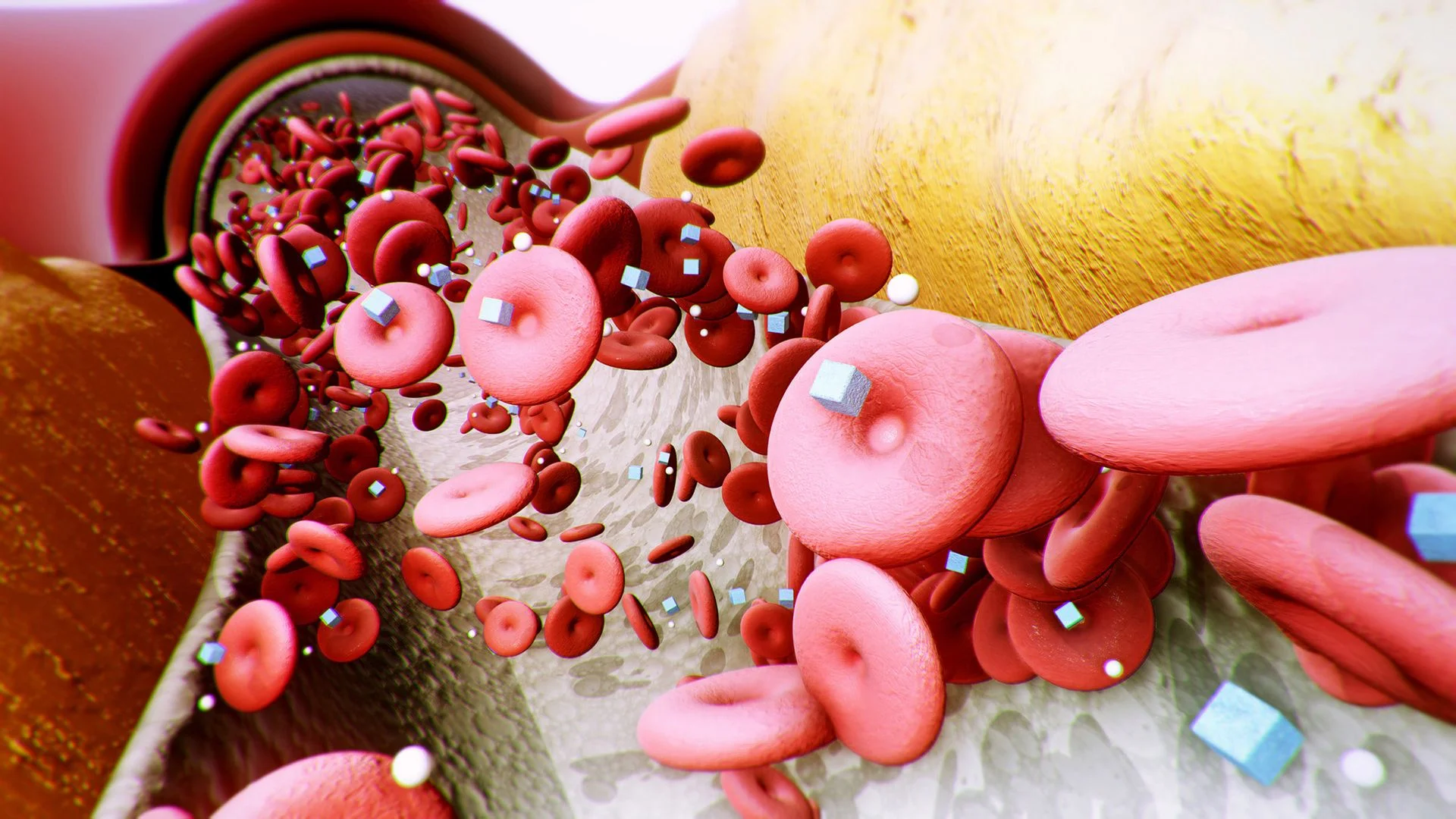
The most striking result from a new diabetes implant study is its attempt to make glucose removal responsive. A phone-controlled device activates a chemical reaction when blood sugar rises, then dials it back as levels return toward a target. In mice with diabetes and obesity, that approach steadied glucose and reduced body weight over six weeks. The idea shifts the engineering question from whether an implant can remove glucose to whether it can adjust its activity as a person’s needs change.
Described Oct. 22 in Science, the work comes from a team led by Martin Fussenegger, a biotechnology and bioengineering professor at ETH Zurich. The researchers are preparing to test the system in more laboratory animals, with human studies a later goal. That sequence matters: results in mice can show that a mechanism works in a living animal, but they can’t establish how it would perform across the demands and variation of human treatment.
A controllable route for removing glucose
The roughly inch-long implant converts glucose into gluconate, a harmless byproduct, using an electrically triggered reaction. Its electrode combines gold and platinum nanoparticles embedded in graphite felt. Because the reaction runs only when enough electricity is supplied, the device can increase or reduce glucose conversion by changing its power input. In practical terms, the implant’s activity is tied to an adjustable signal, giving the researchers a way to modulate the reaction rather than leave it running at a fixed rate.
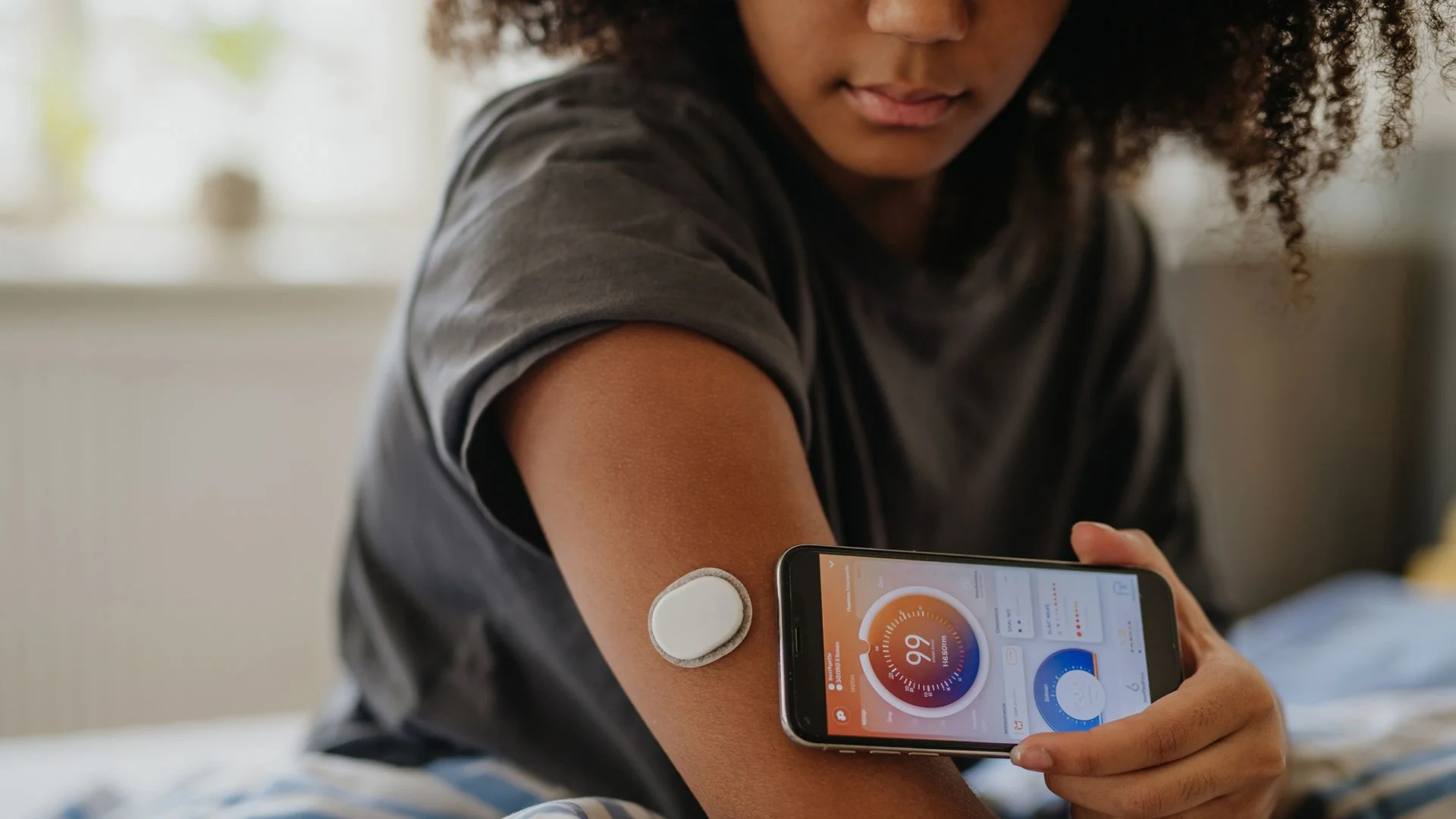
A continuous glucose monitor provides blood sugar readings. The implant sends information to a smartphone, which adjusts the low-level radio frequency energy it transmits. Electronics in the device convert that energy into a steady direct current to drive the reaction. This creates a chain of sensing and control: glucose readings inform the phone, and the phone changes the energy supplied to the implant. Each link has to work reliably for the system to respond as intended.
“In principle, this enables the device to remove more glucose when [blood sugar] levels are elevated and reduce its activity when glucose returns towards the desired range,” Fussenegger said. The team’s goal, he added, is an autonomous system that adapts continuously to a patient’s metabolic needs. That’s an ambitious target for a device whose present setup depends on monitoring, wireless communication and power delivery all working together. The concept is responsive control; the challenge is proving that the response stays useful in the changing conditions of a living body.
Stable glucose and lower body weight in mice
During the six-week experiment, mice fitted with the implant maintained steadier blood sugar than untreated animals and lost an average of 10% of their body weight. Keeping glucose within normal levels appeared to shift metabolism toward burning fat. The device’s on-off control also kept glucose from dropping below safe levels in the animals. That last result speaks to a central design problem for any glucose-lowering approach: reducing excess sugar is only useful if the intervention can also avoid pushing levels too low.
The weight change is notable, but it needs careful interpretation. The study links the animals’ steadier glucose to a shift in metabolism and reports weight loss during the experiment; it doesn’t show that the device would produce the same effect in people, or that it could address every factor involved in obesity. This is more significant than it looks as a demonstration of the system’s potential reach, but the animal result remains an early signal, not a treatment outcome for patients.
The researchers separately tested the reactor in about 1.3 gallons (5 liters) of sugary liquid, roughly the volume of a person’s total blood supply. It controlled glucose in that setup, but the beaker experiment doesn’t establish that the implant can treat a human patient. A vessel of liquid can test whether the chemistry operates at a larger volume; it can’t reproduce the biological conditions that affect how glucose moves through the body or how an implanted device performs over time. A useful engineering check, with clear limits.
Human-scale performance is the open question
Type 2 diabetes and obesity frequently overlap. About 790 million people worldwide have type 2 diabetes, while more than 1 billion have obesity. Insulin resistance can make it harder for cells to absorb glucose; the body may initially compensate by producing more insulin, but that response can falter. The liver can also convert excess blood glucose into stored fat. Those overlapping processes help explain why approaches aimed at blood sugar alone may not address the full set of metabolic changes experienced by some patients.
Existing approaches include diet and exercise, glucose-lowering medicines such as metformin, and GLP-1 drugs that reduce appetite. Fussenegger’s team instead focused on removing some glucose directly, though the implant’s current evidence comes from mice and a laboratory vessel. The comparison is about mechanism, not a demonstrated advantage: this study doesn’t establish that the device works better than existing care or that it could replace any part of it. Here's the thing: a new route for managing glucose has to show what it adds in practice, not just that its underlying reaction can be controlled.
The next hurdle is showing that the reaction can process enough glucose for a human while remaining safe and catalytically effective over time. The team plans to pursue larger-animal studies before human testing. Those studies will need to clarify whether the device’s chemistry can keep working in a living body and whether its sensing and control arrangement can maintain the intended response beyond the conditions tested so far. If you're working in this space, that’s the gap to watch: the system’s capacity and durability at a scale relevant to people.
What the next studies need to establish
The implant’s appeal rests on a combination of direct glucose conversion and adjustable activity. But a controllable reaction is only one part of a treatment system. The monitor must provide readings the control loop can use, the wireless link must deliver the signal, and the reactor must sustain its function. A failure or limitation in any part could affect the usefulness of the whole arrangement. The reported mouse results give the team a reason to keep testing; they don’t settle those questions.
Fussenegger says the device isn’t meant to replace nutrition, physical activity, or preventive care. He sees it as a possible addition to existing treatments for conditions that involve more than elevated glucose alone. That framing is appropriately cautious, since the study hasn’t shown how the implant would fit into patient care or which people might benefit. What this means for you is that the near-term story is about a promising engineering approach and the tests still ahead, rather than a device ready for clinical use.
For now, the key question is whether this small, adjustable reactor can deliver the same control in a living body at human scale. And yet, even if later studies support that possibility, the device will still need to show that its performance holds up over time. The next animal studies should make the evidence more relevant to that question. Until then, the results are intriguing, but the distance between a working mouse implant and a practical human treatment remains substantial.


