The discovery of about 50 Bonville leafless orchids near Boambee has expanded the known range of a species once documented at a single site. For an orchid that can’t be cultivated and spends most of the year underground, a second wild population offers a significant safeguard.
A second population, five kilometres away
Teacher and botany enthusiast Nick Lambert found the cluster in rainforest near Boambee, around five kilometres from the original Bonville site on New South Wales’ Mid North Coast. He began searching after visiting flowering plants with botanist Lachlan Copeland on October 22.
“I went to a rainforest near Boambee in the foothills of the mountains and managed to find another population of them, around 50 or so, and that was pretty awesome actually,” Lambert said.
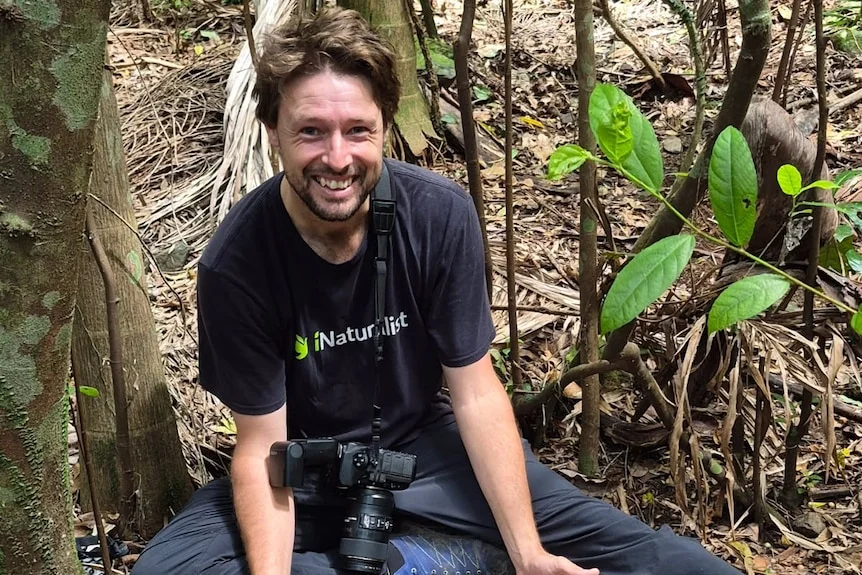
Nick Lambert at the site where he discovered a cluster of the rare orchids. (Supplied: Nick Lambert)
The species, formally named Danhatchia copelandii, was discovered by Copeland in 2018 on land where he was living. Lambert, a friend of the botanist, returned to the forest the day after their October visit to look for more plants. Copeland inspected the newly found cluster the following day and confirmed it.
“The next day I was feeling adventurous, and thought, ‘I am going to check out some spots and see if I can spot some more,’” Lambert said.
A short flowering window
Finding the orchid takes patience. It grows beneath subtropical rainforest canopy, blends into the forest floor and emerges above ground for only one or two weeks each year, when it flowers. The plant has no leaves and gets nutrients from a fungus beneath the soil rather than through photosynthesis.
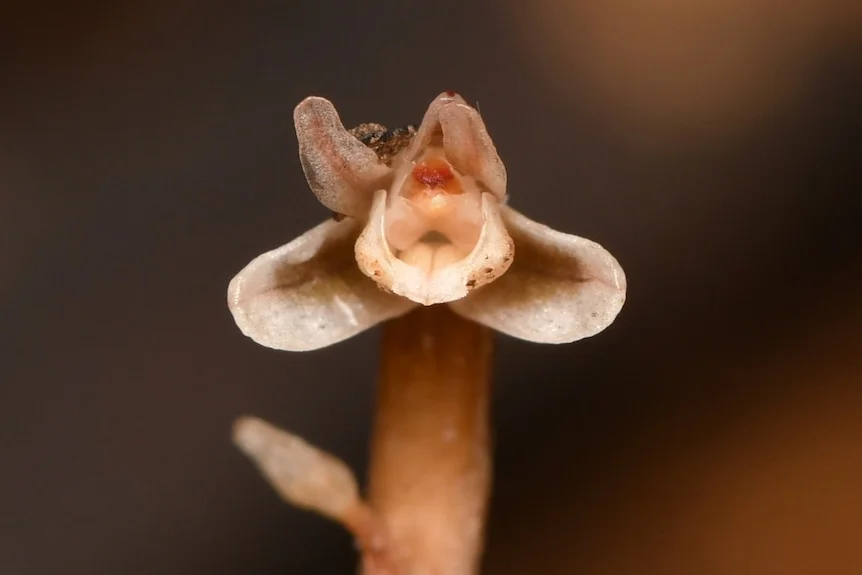
The Bonville leafless orchid only emerges above ground to flower, for one to two weeks a year. (Supplied: Nick Lambert)
At roughly 10 centimetres tall, the orchid is small, reddish and hairy, with tiny flowers. “It’s pretty special because you can’t see it anywhere else in the world,” Lambert said.
Copeland said botanists had searched for additional populations after he showed the original site to about 30 colleagues, without success. The new cluster is larger than the numbers he had recorded at Bonville: in recent years he had counted just six or seven plants there, though this spring’s survey found 17.
Across both sites, more than 60 plants are now known. Copeland said the original population had ranged from about four to 43 plants across his spring surveys, reflecting how difficult it is to count a species visible for only a few weeks.
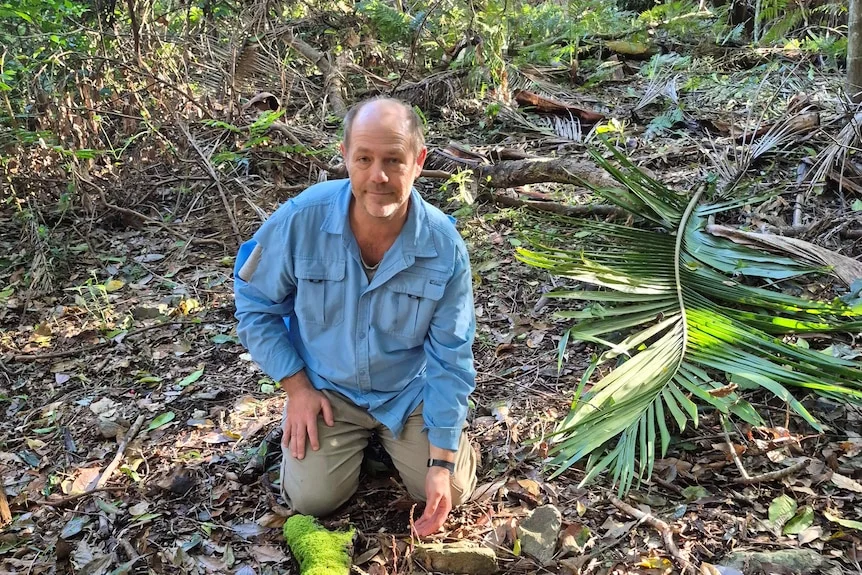
Botanist Lachlan Copeland, after whom the orchid was named. (Supplied: Blake Copeland)
Protection and scientific value
The new site is expected to fall within the Great Koala National Park. Copeland said the area had escaped historical logging, and that its inclusion in the park would help protect the orchids and their habitat.
Brett Summerell, chief scientist at the Botanic Gardens of Sydney, said a second population with many individuals could help preserve genetic diversity and provide another site if the original population were affected.
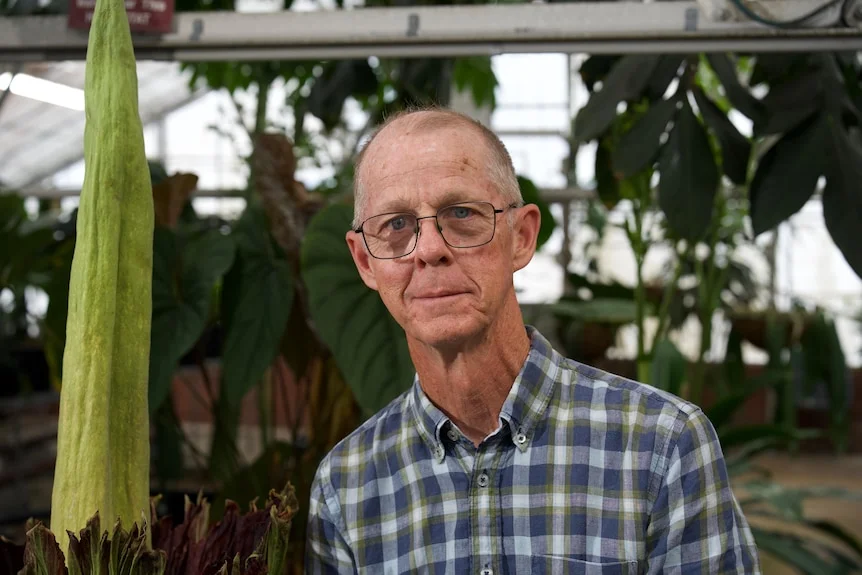
Dr Summerell says it was a "nice surprise" to have two blooms in a short period of time. (ABC News: Chantelle Al-Khouri)
Summerell said leafless orchids that depend on underground fungi are among a relatively small group of species with specialised growing conditions. The Bonville orchid can’t be propagated at the Botanic Gardens, he said, so its survival depends on keeping viable populations in the wild. Protecting the sites also preserves the wider network of life connected to that habitat.
A specimen will be preserved at the National Herbarium of NSW at Mount Annan. Summerell said Copeland’s expertise left little doubt about the plant’s identity, though the specimen will go through formal identification before joining the collection.


