Daniel Moowattin’s Role in Australian Botany Restored at Powerhouse Parramatta
2026-11-03 23:00
606 views
Research and five bronze plaques at Powerhouse Parramatta recognize Burramattagal man Daniel Moowattin’s overlooked work collecting plants with George Caley.
Restoring Daniel Moowattin’s place in the record
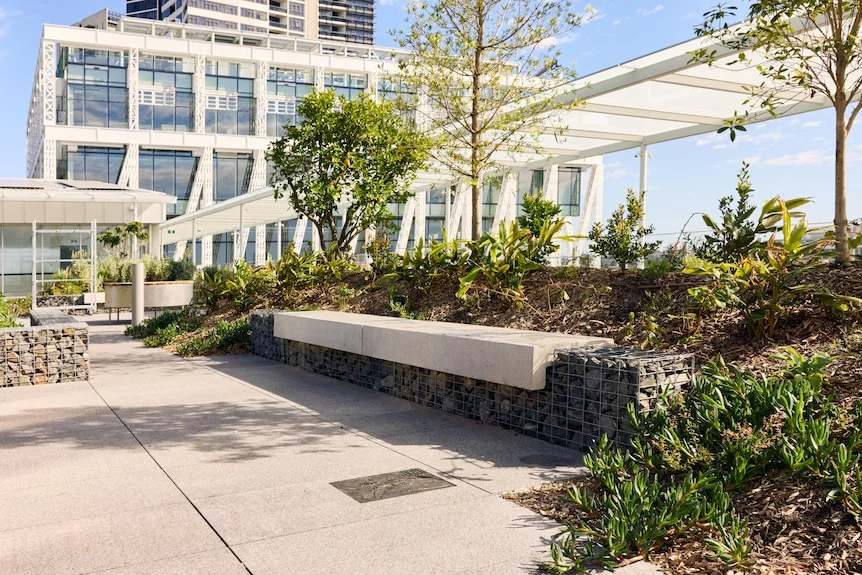
Powerhouse Parramatta’s rooftop garden does more than add a patch of native greenery to Western Sydney’s CBD. Five bronze plaques there draw attention to Daniel Moowattin, a Burramattagal man whose work helping document local plants was largely erased from official records. The museum is due to open on Saturday, November 7, 2026.
Aboriginal and Torres Strait Islander readers are advised that this section contains the name of an Indigenous person who has died.
Artist Keg de Souza and Dharug elder Uncle Chris Tobin retraced Moowattin’s role in the early 1800s, when he worked with British botanist George Caley. Caley’s personal notes credit Moowattin with supplying plant samples: one annotation reads “got by Dan”. Later, those acknowledgments disappeared from formal herbarium records.
> “The collector was always George Caley, but obviously Daniel Moowattin was actually the collector climbing up the trees and collecting those things,” de Souza said.
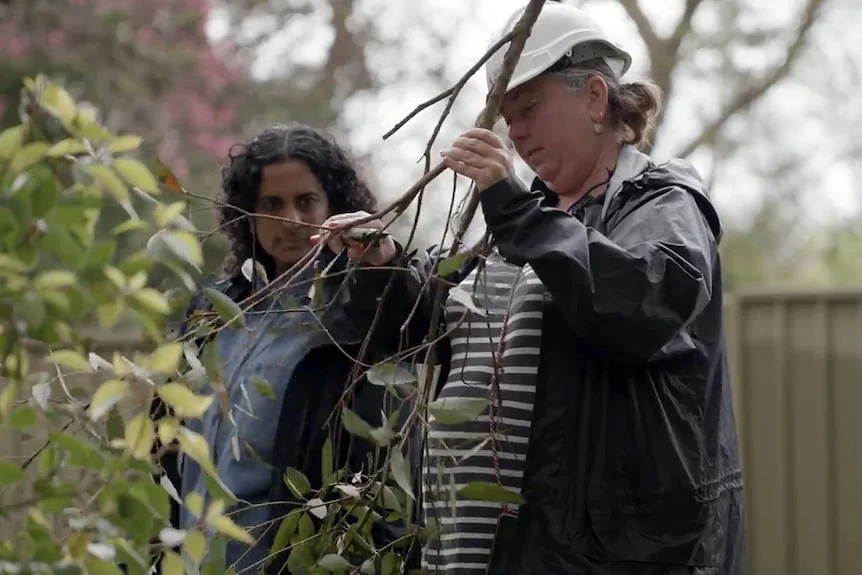
De Souza and Tobin also gathered eucalyptus clippings on Dharug country, including near the new museum at Parramatta Park. For Tobin, following Moowattin’s trail offered a way to understand the people and conditions of that period.
> “By following these people's journey, you start to get an understanding of that era,” Tobin said.
What the archives kept—and removed
Powerhouse curator Emerson Radisich spent months tracking down Caley’s herbarium records. After finding one annotated sheet in New South Wales, he searched other states and territories, then found another reference at the National Herbarium in Canberra. His search eventually took him to Kew Gardens in London and collections around the world.
The pattern was striking: institutions held Caley’s records, but, Radisich said, the original handwriting had been removed from them. He believes the archive could have preserved hundreds of records of Moowattin’s work if botanists and archival staff two centuries ago had taken more care.
> “There was a lot of silence that we experienced as we were doing this research,” he said.
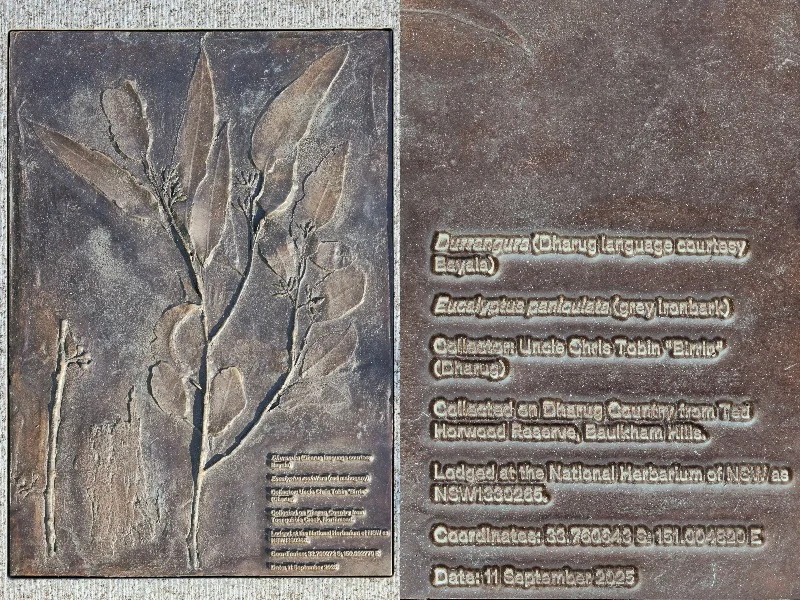
Radisich eventually located about 100 Caley herbarium sheets at the Natural History Museum in the United Kingdom. Some carried handwritten words that appeared to be in Dharug. The research recovered four Dharug names for eucalyptus species. Bayala Aboriginal Corporation confirmed *Eucalypt paniculata* is called Dhuramba; the corporation is expected to confirm the other three words before they’re formally published. The evidence recovered so far is meaningful, though it can’t tell us how many names and contributions were lost.
Bronze plaques in the rooftop garden
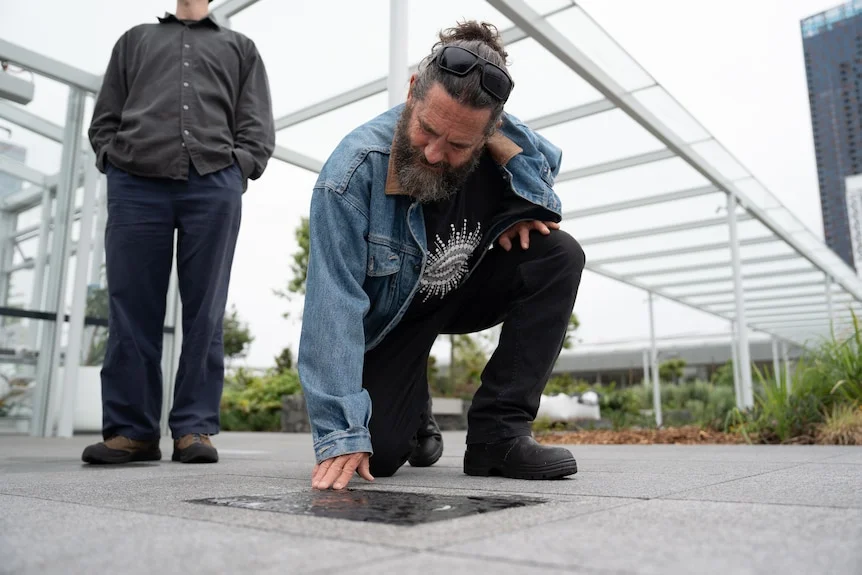
De Souza used the eucalyptus clippings gathered with Tobin to create the five plaques, set into the pavement of the museum’s rooftop garden. Tobin saw the finished work for the first time as the garden was being completed ahead of the opening.
> “It's proudly done, it is done respectfully so that people, hopefully, start to look at Aboriginal learnings and Aboriginal history with a lot more respect,” he said.
He said the installation could help people see Aboriginal history as part of Parramatta’s past and present: “It's foundational to Parramatta's story, it's one we're a part of; contemporary Parramatta too.”
De Souza hopes visitors will use the artwork as a starting point to learn about local plants and Dharug language. “This whole project for me is like a project of learning ... and I wanted people to have the opportunity to sort of learn and engage with it,” she said.
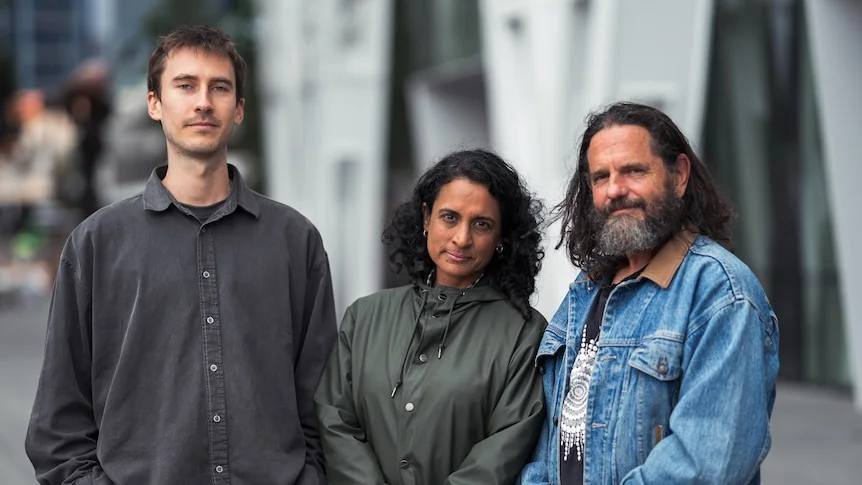
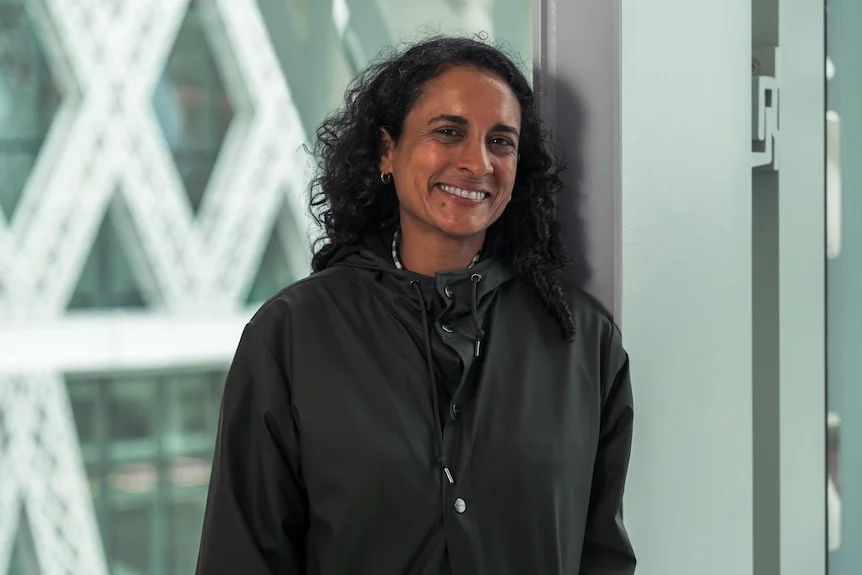
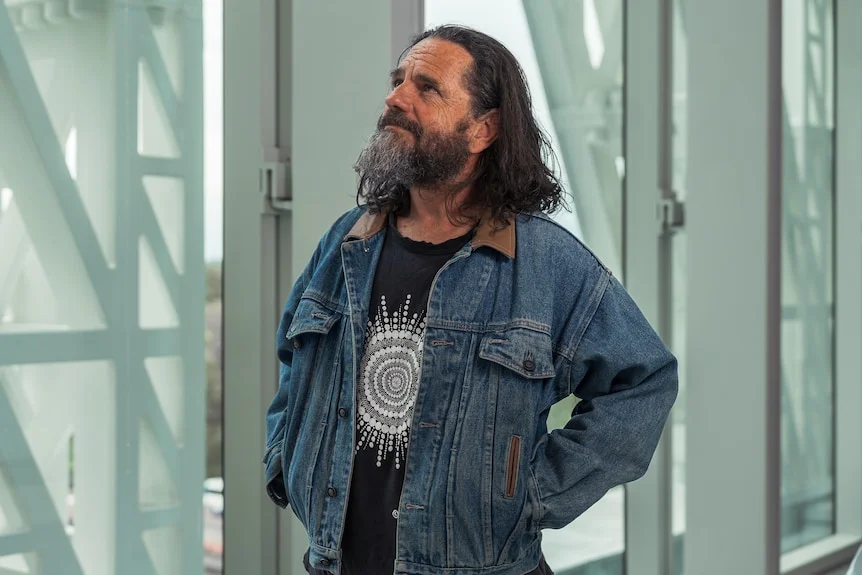
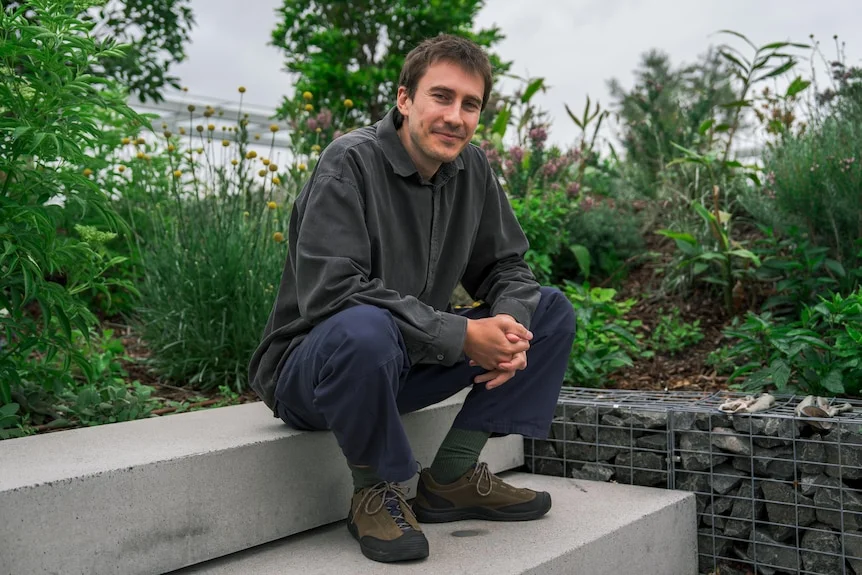
Emerson Radisich (left), Keg de Souza and Uncle Chris Tobin contributed to the rooftop artwork. (ABC News: Abubakr Sajid)Bronze plaques recognise Daniel Moowattin’s contribution. (Supplied: Powerhouse Parramatta)Keg de Souza helped retrace Moowattin’s work. (ABC News: Abubakr Sajid)Uncle Chris Tobin worked with de Souza to collect the clippings. (ABC News: Abubakr Sajid)Radisich says Caley’s annotations were removed from records. (ABC News: Abubakr Sajid)Eucalyptus clippings were collected on Dharug country. (Supplied: Powerhouse Parramatta)Tobin said the plaques had been made “respectfully”. (ABC News: Abubakr Sajid)Five bronze plaques are set into the rooftop garden. (Supplied: Powerhouse Parramatta)