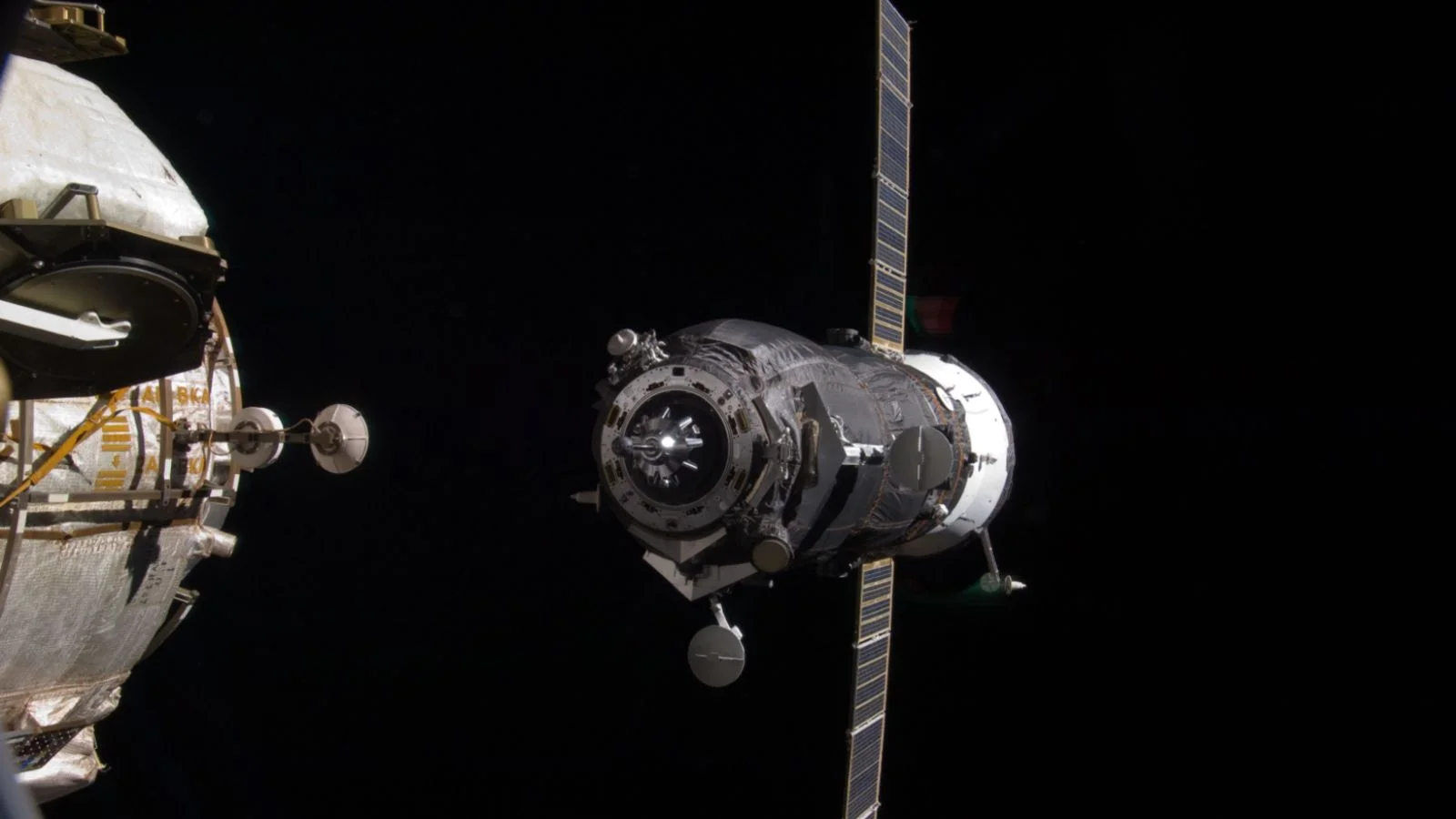
The bright streak Chris Williams spotted over West Africa was a reminder that rocket launches leave a visible return journey. From the International Space Station, the NASA astronaut photographed debris from the Soyuz rocket that had carried the cargo craft Progress 95 into orbit. Its fiery breakup looked spectacular from above, but the growing number of spacecraft reentering Earth’s atmosphere raises questions about what their remains leave behind.
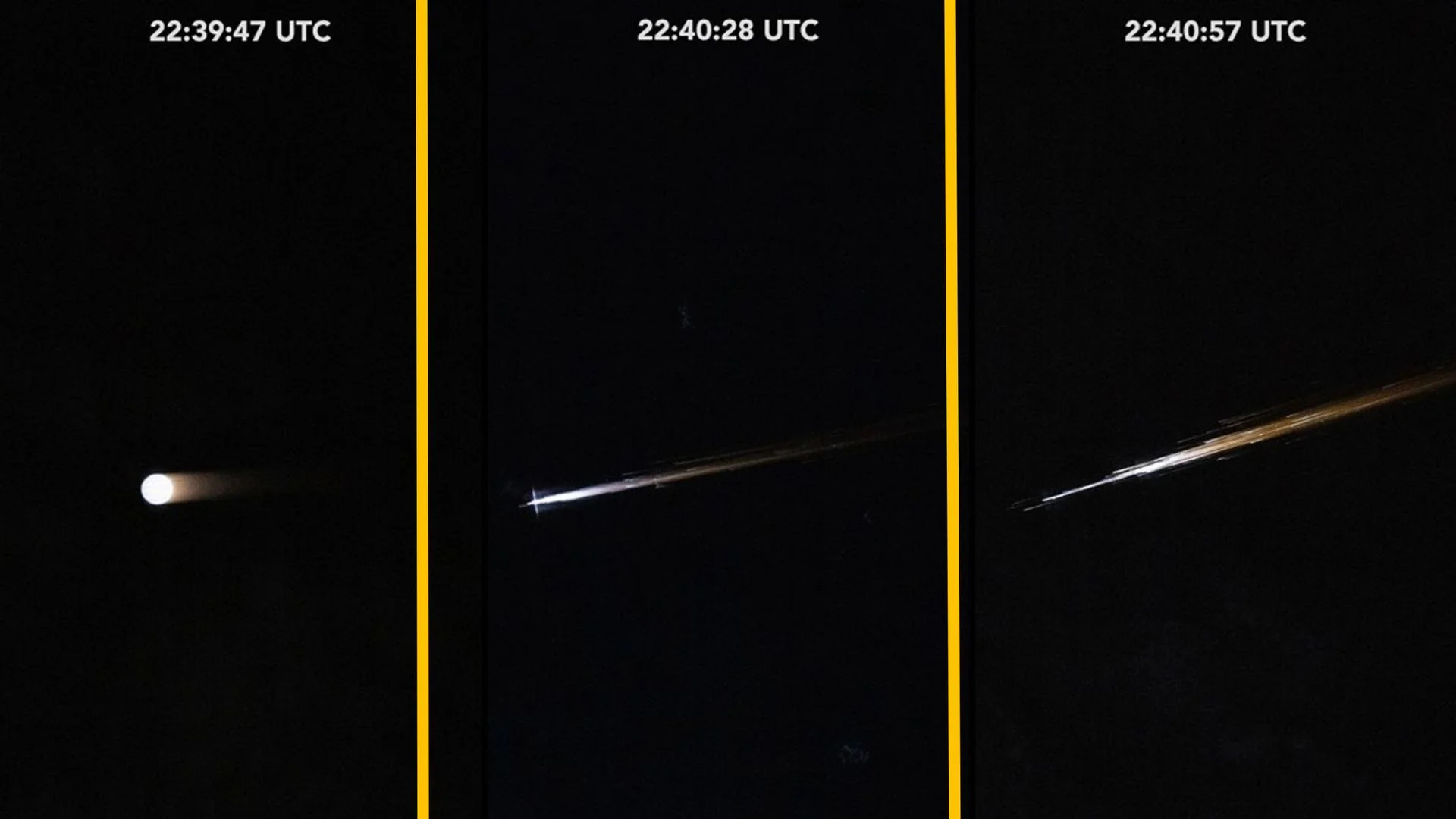
Williams took the images on April 27, 2026, while looking down from the station’s cupola, a bank of windows used to observe Earth. He had been trying to catch sight of Progress 95, which delivered food, fuel and equipment to the ISS and docked later that day. Instead, he saw a bright object pass below the station.
“Just as we were passing over West Africa, I saw a bright object directly below us, streaking through the upper atmosphere,” Williams wrote in a post on X. “I saw its tail grow and then split apart into a shower of smaller pieces,” he added. “It was quite a light show!”
Williams initially thought the spectacle might be a satellite or other orbital debris. Reporting by Space.com later identified it as the Soyuz rocket’s discarded stages and fairings. The rocket had launched Progress 95 from the Baikonur Cosmodrome in Kazakhstan, using a recently repaired launchpad.
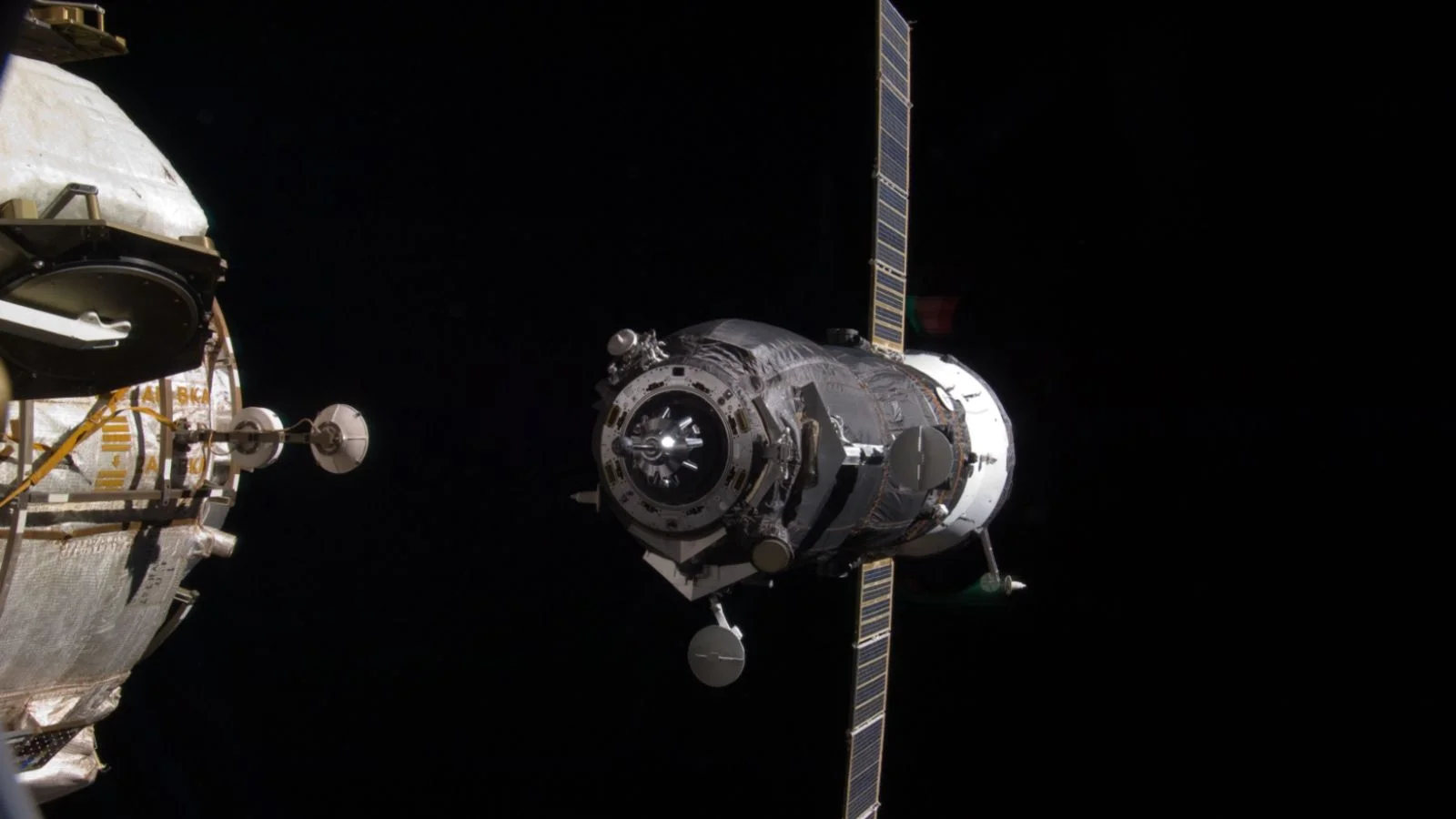
After the rocket released the cargo spacecraft into low Earth orbit, its booster and fairings fell back toward Earth. Friction heated the material as it plunged through the upper atmosphere, breaking it into smaller fragments that eventually vaporized, according to Space.com. A similar Soyuz reentry produced a fireball over Australia in August 2023.
The event also came amid a run of technical news around Russia’s Progress missions. Earlier in 2026, an antenna on Progress 94 failed to deploy after the craft separated from its Soyuz rocket. Cosmonauts used a remote-control backup system to guide it to the station for docking.
Fireballs are often associated with meteors, which can flare and fragment as they enter the atmosphere. Recent examples over the United States included a space rock that produced a sonic boom over Ohio and a meteorite that punched through a home’s roof in Houston. NASA has said a meteor could also have caused the light Williams saw, though the Soyuz debris is considered the more likely explanation.
The ISS offers a vantage point for watching both natural and human-made objects streak across Earth’s atmosphere. Williams’ photographs show the rocket remains flash brightly, then stretch into a trail of fragments.
Most spacecraft and large pieces of space debris burn up roughly 50 miles (80 kilometers) above Earth’s surface, below the Kármán line commonly used to mark the boundary of space. That process can create striking displays, but the material doesn’t simply disappear from the atmosphere.
Researchers have detected rising levels of metals associated with vaporized spacecraft in the upper atmosphere. They’re still working out what those materials may do. Some scientists have proposed possible effects on the ozone layer or Earth’s magnetic field, but the consequences remain uncertain.
The growing number of satellites and other spacecraft means more objects will eventually reenter. Most are expected to burn up, but some material can survive the descent. In March 2024, debris from a battery pack discarded from the ISS struck a family home in Florida. That case underscores a practical concern alongside the atmospheric questions: as more hardware returns from orbit, occasional fragments may reach the ground.
More Earth from space
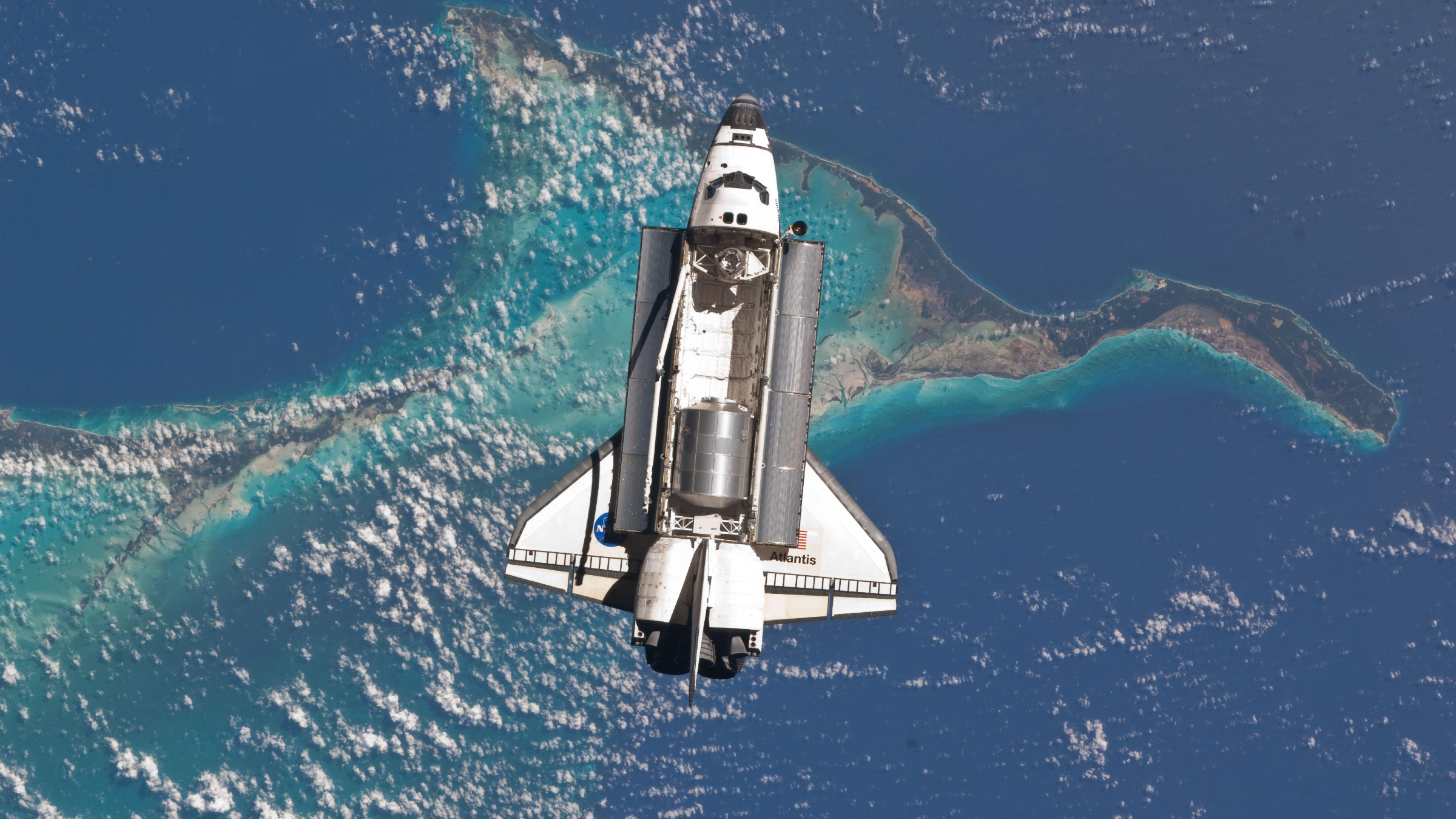
Space Shuttle's final 'photobomb' turns 15
A 2011 astronaut photo captured one of NASA's iconic space shuttles passing between Earth and the International Space Station for the very last time.

American astronaut's haunting 9/11 snap
During the Sept. 11 attacks, NASA astronaut Frank Culbertson — the only American not on Earth at the time — snapped a "sobering" shot of smoke pouring across New York City as the second tower fell.
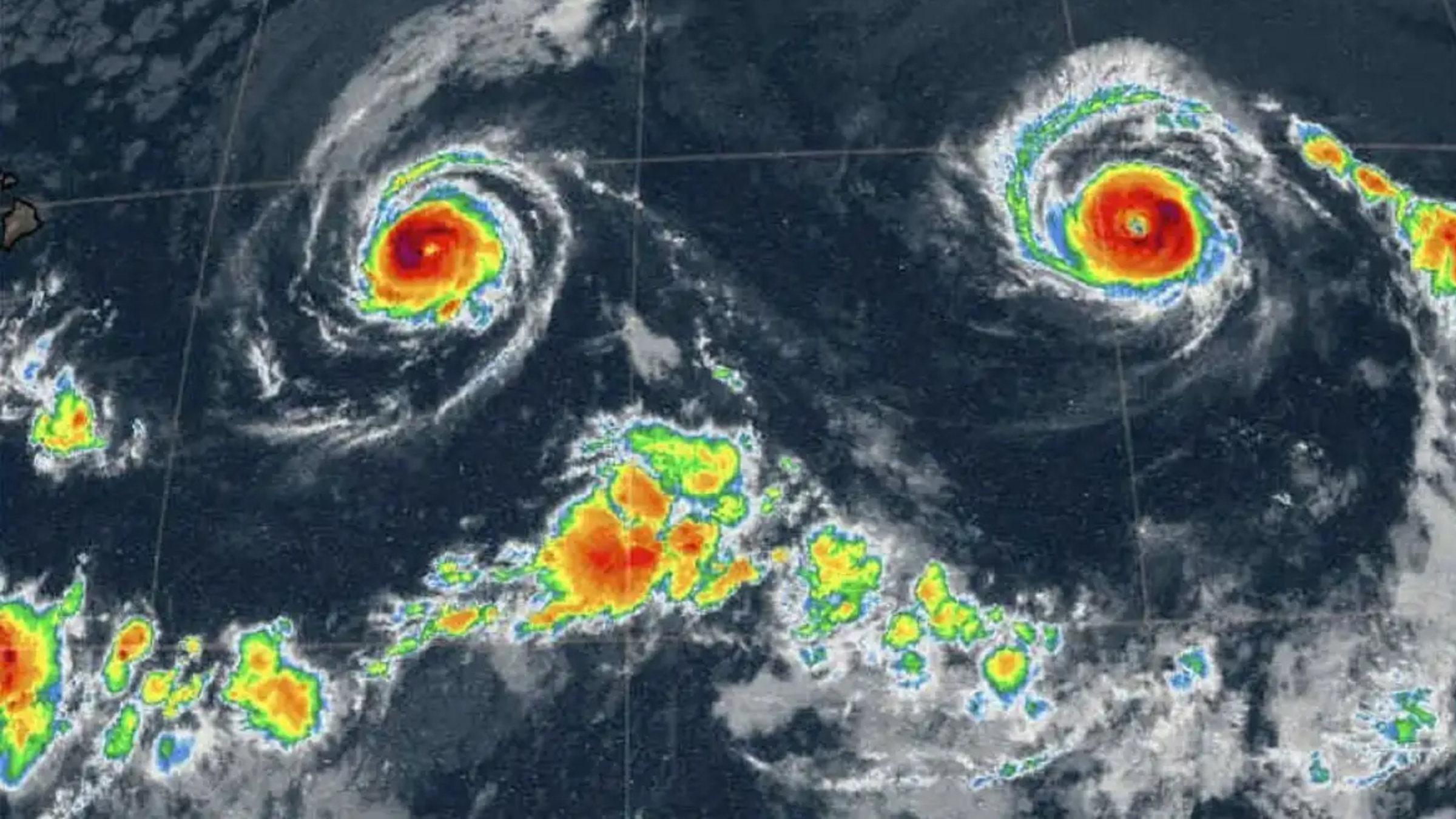
Twin cyclones stare out into space
A 2016 satellite photo shows Hurricane Madeline and Hurricane Lester heading straight toward Hawaii. When viewed from above, the twin cyclones and the surrounding clouds look eerily like a giant smiley face.


