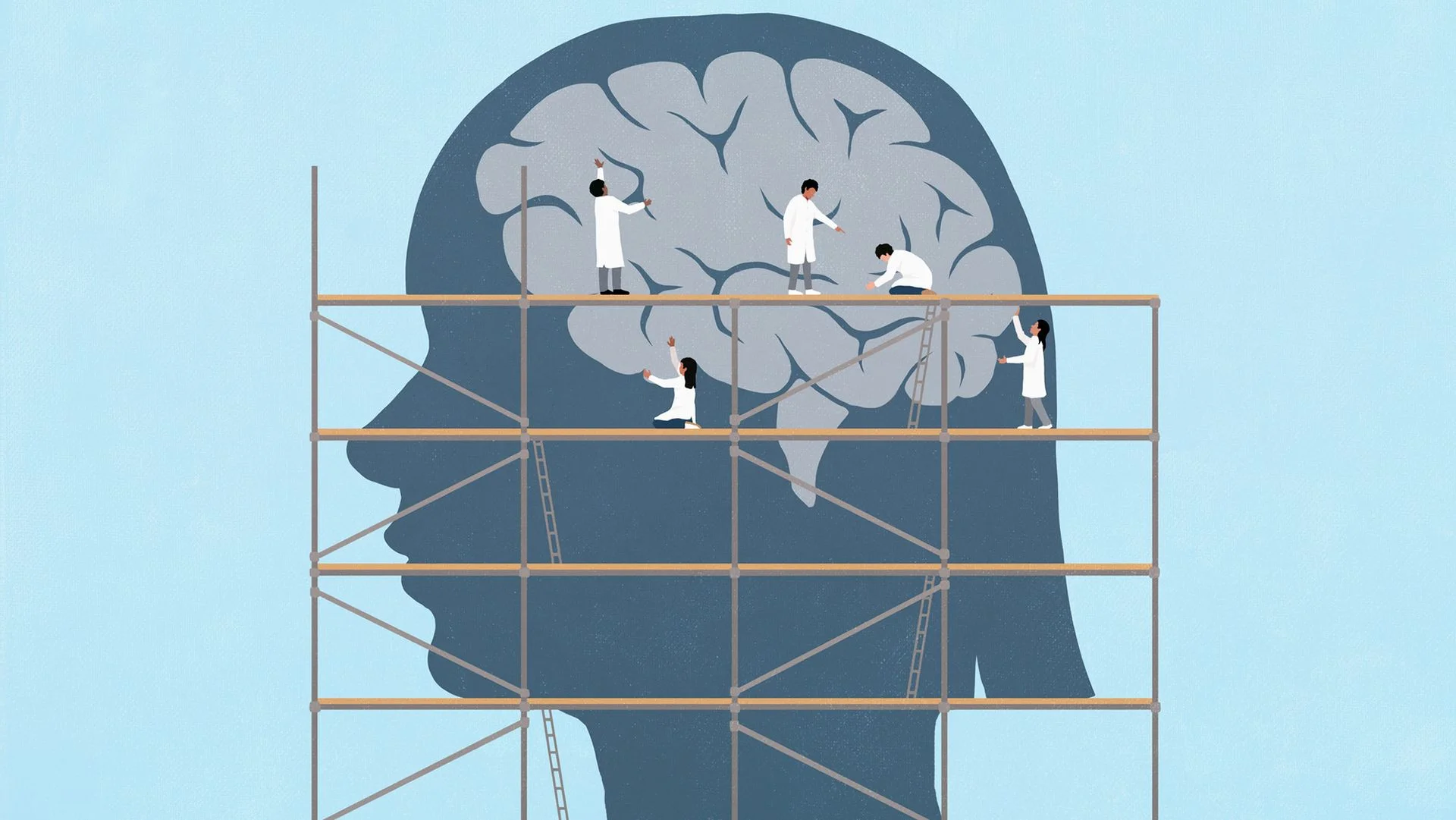
The planned DSM-6 could change how psychiatry describes mental disorders by adding biological context to diagnoses that have long relied on symptoms and clinical history. The shift, discussed by psychiatrist Dr. Anand Kumar, points to genetics, immune system activity and other pathways as factors clinicians may consider—even though most conditions still have no definitive blood test or scan.
The Diagnostic and Statistical Manual of Mental Disorders has guided diagnoses of conditions including major depression, anorexia and post-traumatic stress disorder. Its categories are currently defined through clinical criteria: practitioners assess symptoms, history, questionnaires and observed behavior. Kumar, who leads the Department of Psychiatry at the University of Illinois Chicago and served two years on the DSM Strategy Committee, says the next edition may begin incorporating biology into that framework.
Biology can inform a diagnosis without supplying a test
That distinction matters. Kumar says there are no clear-cut biomarkers that can diagnose depression, PTSD or schizophrenia with a blood test or brain scan. The committee is considering biological factors more broadly: pathways and mechanisms linked to disorders, even when research has not produced a lab test that clinicians can use.
Immune activity is one example. Research suggests immunology—the body's response to infection and other stresses—may play a role in about 30% of major depression cases. But there is no single clinical test for identifying immune-mediated depression. For now, this kind of evidence may help describe how a disorder develops without determining who receives a particular diagnosis.
Alzheimer's disease offers a useful comparison, though Kumar stresses that its diagnostic tools are not yet available across psychiatry. Blood tests for tau and amyloid proteins have been approved by the FDA as biomarkers for Alzheimer's. In a patient whose symptoms and mental-status exam indicate intellectual decline, a positive biomarker result can support a definitive diagnosis. A decade or more ago, detecting these proteins could require a brain scan or a lumbar puncture to collect spinal fluid. Blood testing has made that process less invasive.
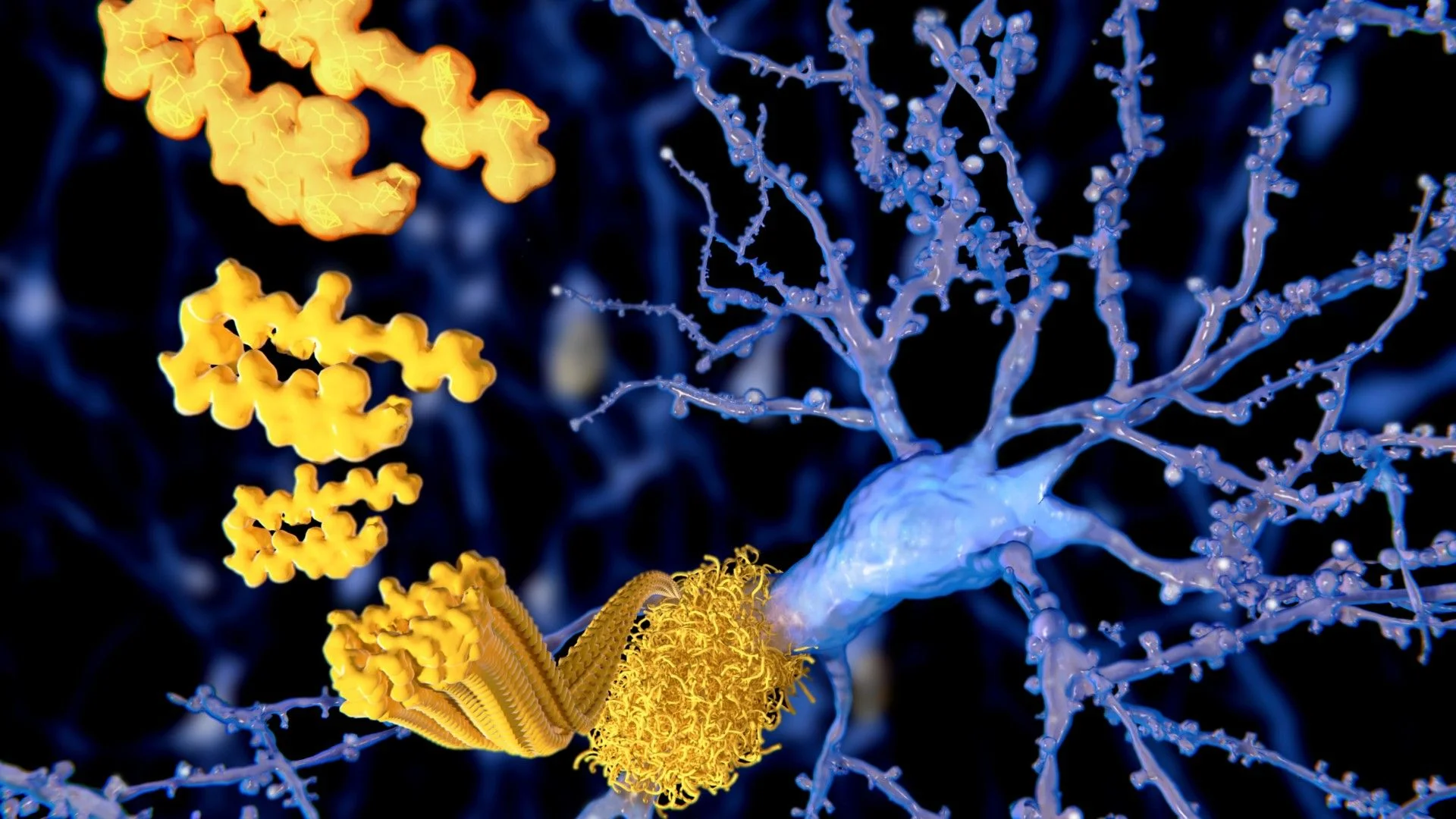
Psychiatry does not yet have that level of diagnostic precision for most disorders. Still, evidence connecting biological processes with mental health is growing, and Kumar argues that the absence of a single test is no reason to disregard it.
Genetic risk is spread across many genes
Genetics is another area under consideration. The public often thinks of a mutation as a single change that causes a disease. In complex conditions, including heart disease and diabetes, risk can instead reflect many genes, each contributing a small effect. Mental disorders make the picture more complicated still: hundreds of genes may each slightly increase the likelihood of depression, schizophrenia or anxiety disorders.
Genome-wide association studies can identify patterns across large numbers of people, but their findings do not amount to a simple genetic test. No single gene, or small group of genes, can currently establish that a person has one of these disorders. Recent research has nevertheless strengthened links between genetic profiles and particular conditions, and those profiles are better understood than they were 20 years ago.
Kumar says the DSM could use this evidence to give clinicians a fuller account of risk. Family history already signals that a disorder may run in a family; genetic research can help explain that pattern. Diagnosis would remain clinical, but the manual could make clearer that mental disorders, like other medical conditions, can arise from interacting genetic and environmental influences.
Shared risks may change what clinicians look for
One possible clinical use is helping practitioners keep related conditions in view. Depression and anxiety often occur together, a pattern known as comorbidity. Kumar points to evidence that roughly 45% of people diagnosed with a major mood disorder also have an anxiety disorder. A similar proportion of people diagnosed with an anxiety disorder—including generalized anxiety disorder, PTSD or a phobia—also have a mood disorder.

These overlaps aren't necessarily coincidental, Kumar says; some disorders share genetic risks. If diagnostic guidance makes those relationships clearer, a clinician treating a patient for depression may be more alert to anxiety now or later. Someone being treated for anxiety may also need discussion of substance use risk. The point would be to shape assessment and conversations with patients and families, rather than treat two diagnoses as if they were the same condition.
This approach resembles how clinicians assess other complex illnesses. A heart disease risk profile can take account of genes, physiology such as BMI, diet and environmental factors. Kumar sees a comparable, broader description as missing from mental health care today. Biological context could help explain why disorders cluster, while leaving room for the many factors that shape an individual patient's experience.
A first step with limits
Biology is the most distinctive potential change for Kumar. Cultural factors are already recognized in psychiatry and may be described more fully in the new manual. Measures of attention and working memory, meanwhile, can be relevant across diagnoses rather than specific to one disorder. Biological pathways could add a different kind of information to the picture.
There will be gaps, and agreement on what belongs in diagnostic criteria will take work. Kumar expects the changes to be incremental and says the result won't satisfy everyone. The practical challenge is to represent promising findings without implying that complex conditions can already be sorted by a single test.
If DSM-6 handles that balance well, its contribution may be a change in how clinicians think about the causes and relationships of mental disorders. Genetics and immune research could help guide broader assessment, even before they yield routine diagnostic tests. For now, the central takeaway is modest but consequential: psychiatric diagnosis may remain clinical while becoming more explicit about the biology that can shape risk.
- Adversity shaped our evolution as a species. People raised in it may have underrecognized strengths because of it.
- Ancient 'alien-like' skulls have been found on every continent but Antarctica. Anthropologists are starting to figure out why.
- Could psilocybin treat brain injuries? Neuroscientist explains how psychedelics could fill a gap in head trauma care


