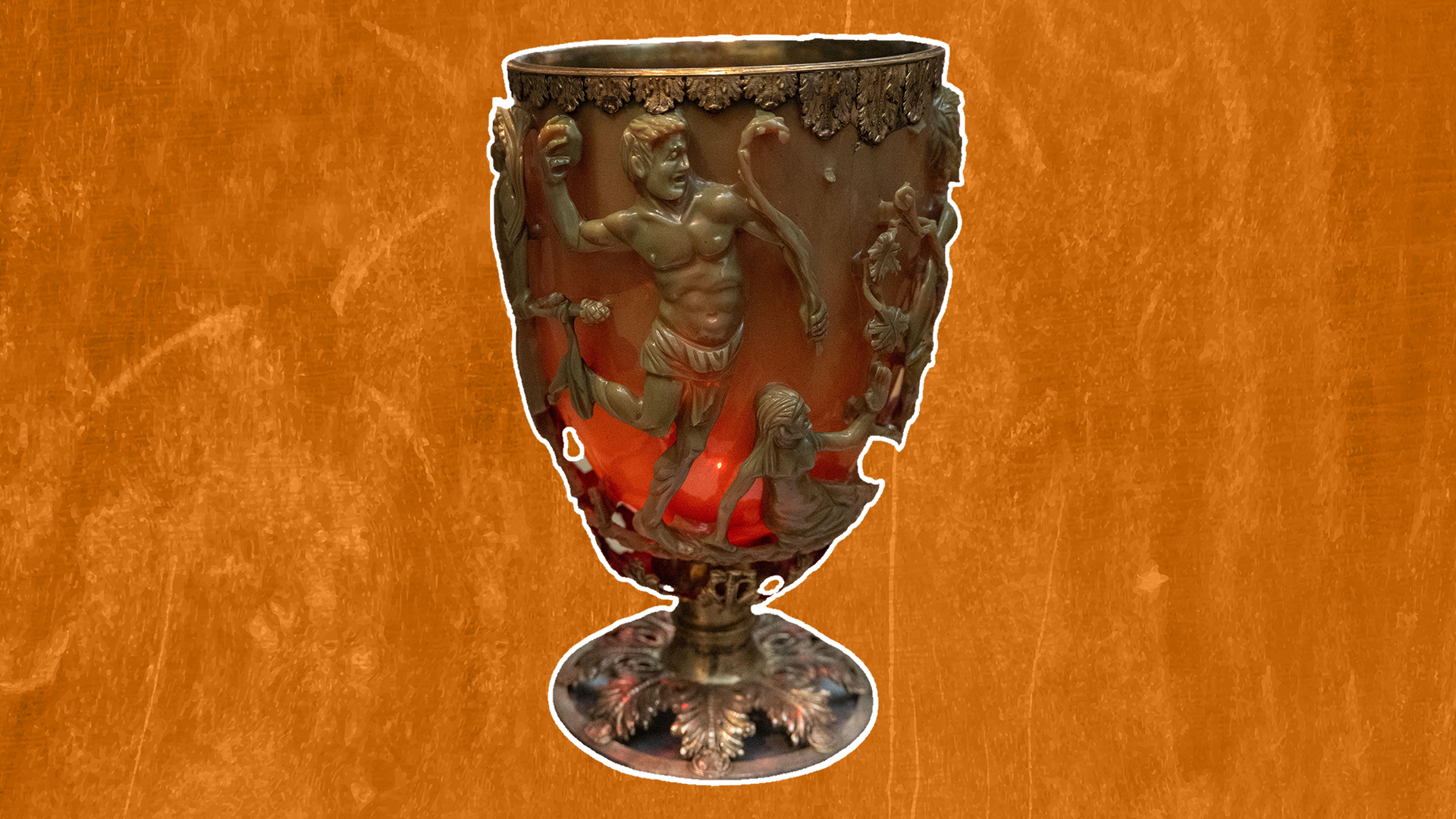
Name: Lycurgus Cup
What it is: A glass drinking cup
Where it is from: The Roman Empire
When it was made: Fourth century A.D.
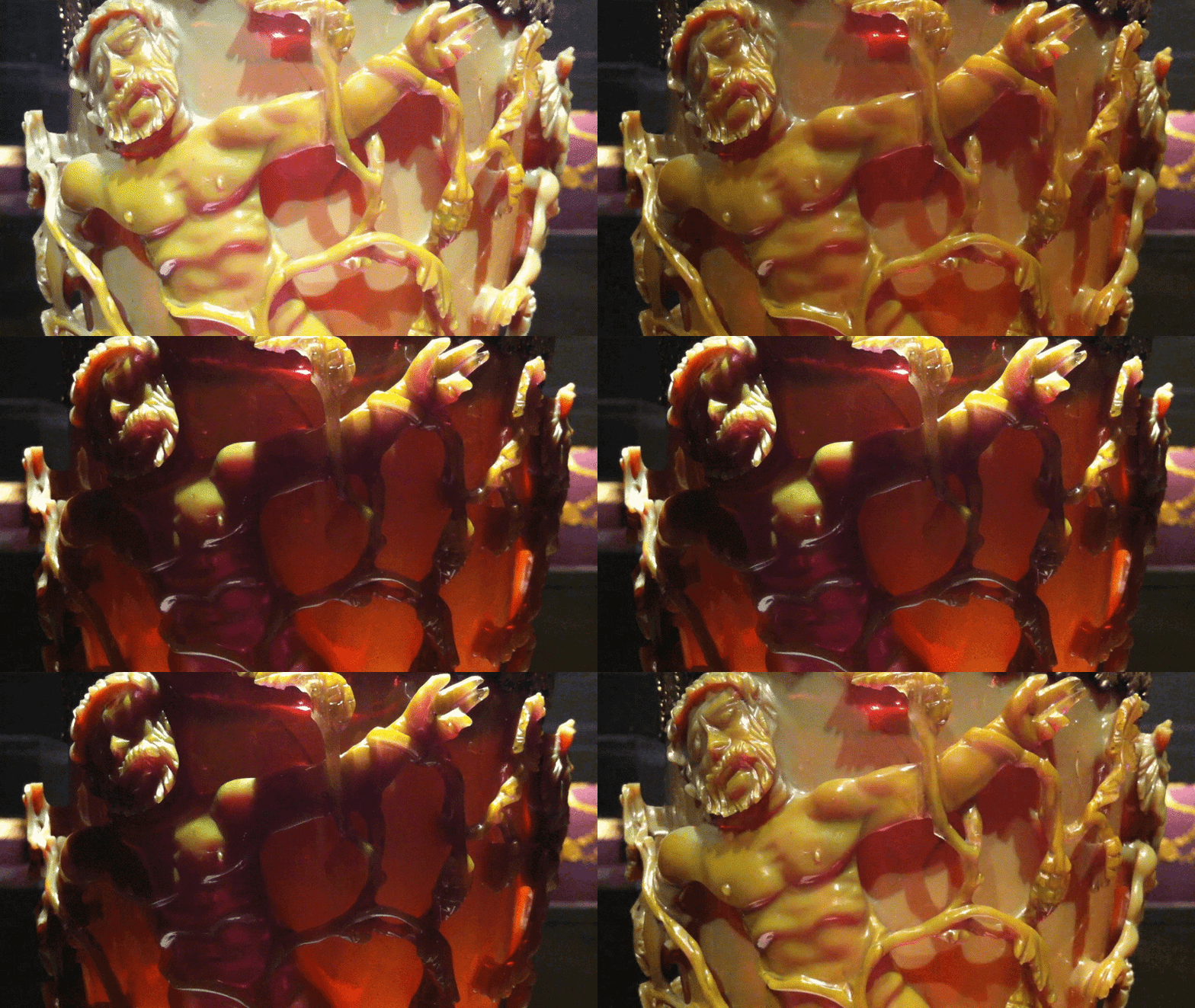
The Lycurgus Cup’s optical trick is striking; the uncertainty behind it is even more intriguing. This fourth-century Roman glass vessel turns jade green when light hits its front and ruby red when illuminated from behind. Researchers can explain the effect, but they can’t say whether its makers set out to create it or stumbled on it while working the glass.
A rare cage-cup with a mythic scene
The British Museum acquired the cup in 1958 from the Rothschild banking family, which had held it since the mid-19th century. Its name comes from the scene carved into the glass: the punishment of Lycurgus, a Thracian king who opposed the worship of Dionysus. The vessel stands about 6.3 inches (15.9 centimeters) tall and weighs roughly 1.6 pounds (700 grams).
Archaeologists D. B. Harden and Jocelyn Toynbee described it in a 1959 study as an exceptionally preserved example of a Roman “cage-cup.” Only a few such vessels survive. Artisans shaped their openwork designs by cutting and grinding thick glass, leaving narrow bridges that held the decoration in place and gave the cup its cage-like appearance. Harden and Toynbee dated this example to the fourth century and considered Italy a likely place of manufacture. They also suggested that its bronze rim and stem were added in the 19th century.
The imagery may have suited a drinking vessel. In the myth, Lycurgus drives Dionysus into the sea with an ax. Ambrosia, one of the god’s priestesses, transforms into a vine and traps the king; Dionysus’ followers then surround and torment him. The cup’s green-to-red shift may also evoke grapes ripening on the vine, though that interpretation remains a possibility rather than a confirmed intention.
Metal particles explain the color shift
Roman records refer to color-changing, or dichroic, cups. A second-century letter possibly written by Emperor Hadrian to his brother-in-law mentions a gift of two for use at banquets. Yet surviving fragments are scarce, leaving researchers with limited material for understanding how the vessels were made.
A 1963 study identified the likely source of the Lycurgus Cup’s effect: microscopic particles of gold and silver dispersed through the glass. Smaller than grains of sand, these particles interact with light. Viewed with illumination from the front, the glass looks milky green; lit from behind, it appears nearly transparent red.
Modern attempts to reproduce the effect show how unusual the material is. Corning Glassworks made dichroic glass in the 1960s that shifted from green to amethyst. In 2020, researchers incorporated gold and silver nanoparticles into 3D printing to recreate the color-changing properties. More recently, a University of Sheffield team reverse-engineered the cup’s glass recipe and commissioned an artist to make a Lycurgus-inspired piece from the replica material.
Accident or deliberate technique?
Those experiments clarify how the cup changes color, but they don’t settle why its glass contains the metal particles. Roman artisans may have added them deliberately. Gold was available in ancient workshops, and traces could also have entered the molten glass unintentionally, producing an effect that even skilled glassmakers found unusual.
With so few dichroic vessels preserved, the cup offers a rare glimpse of Roman glassmaking—and a reminder that a material’s most remarkable property may not reveal whether its makers planned it.
For more archaeological discoveries, browse the Astonishing Artifacts archives.
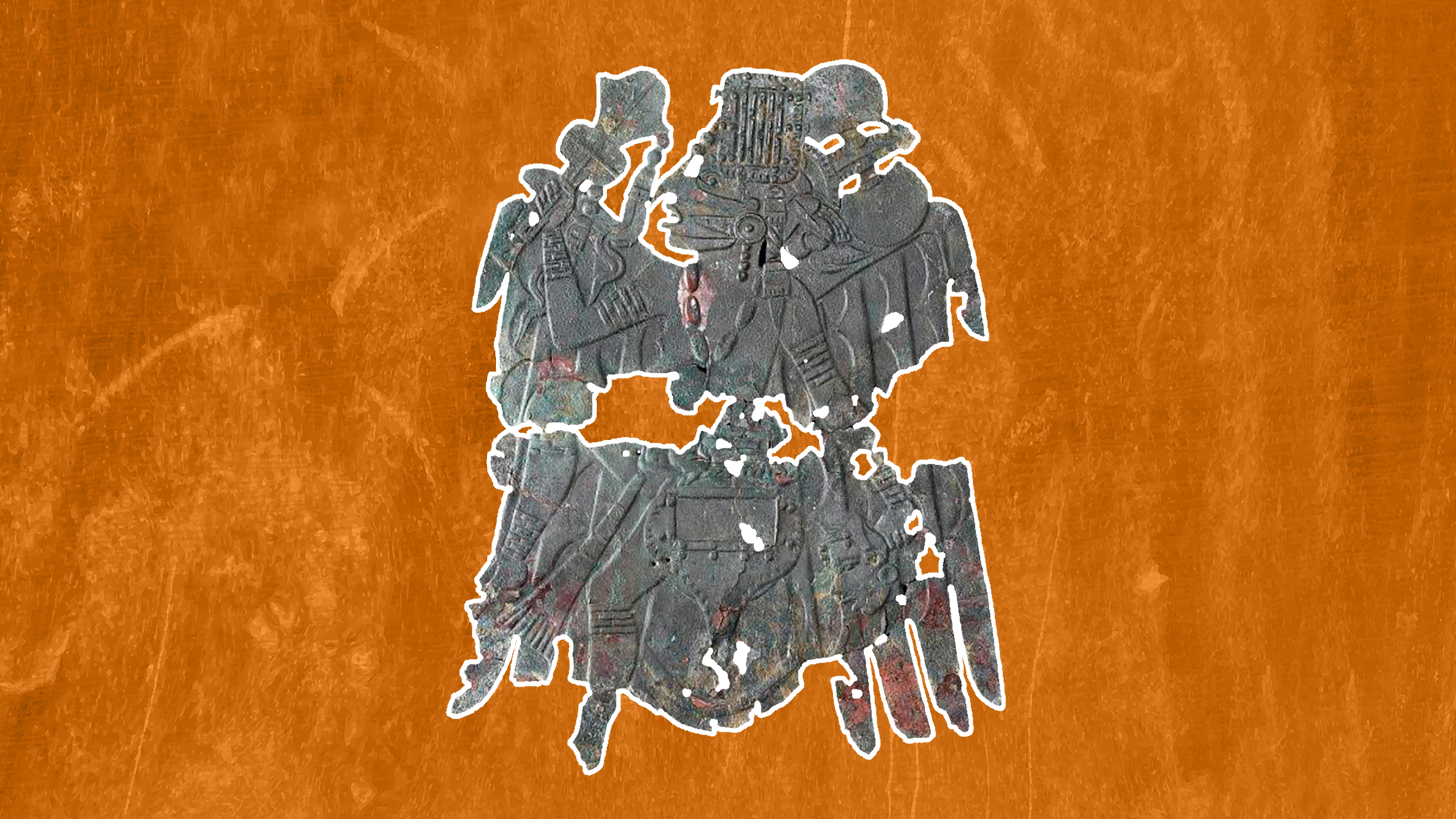
Birdman Copper Plate
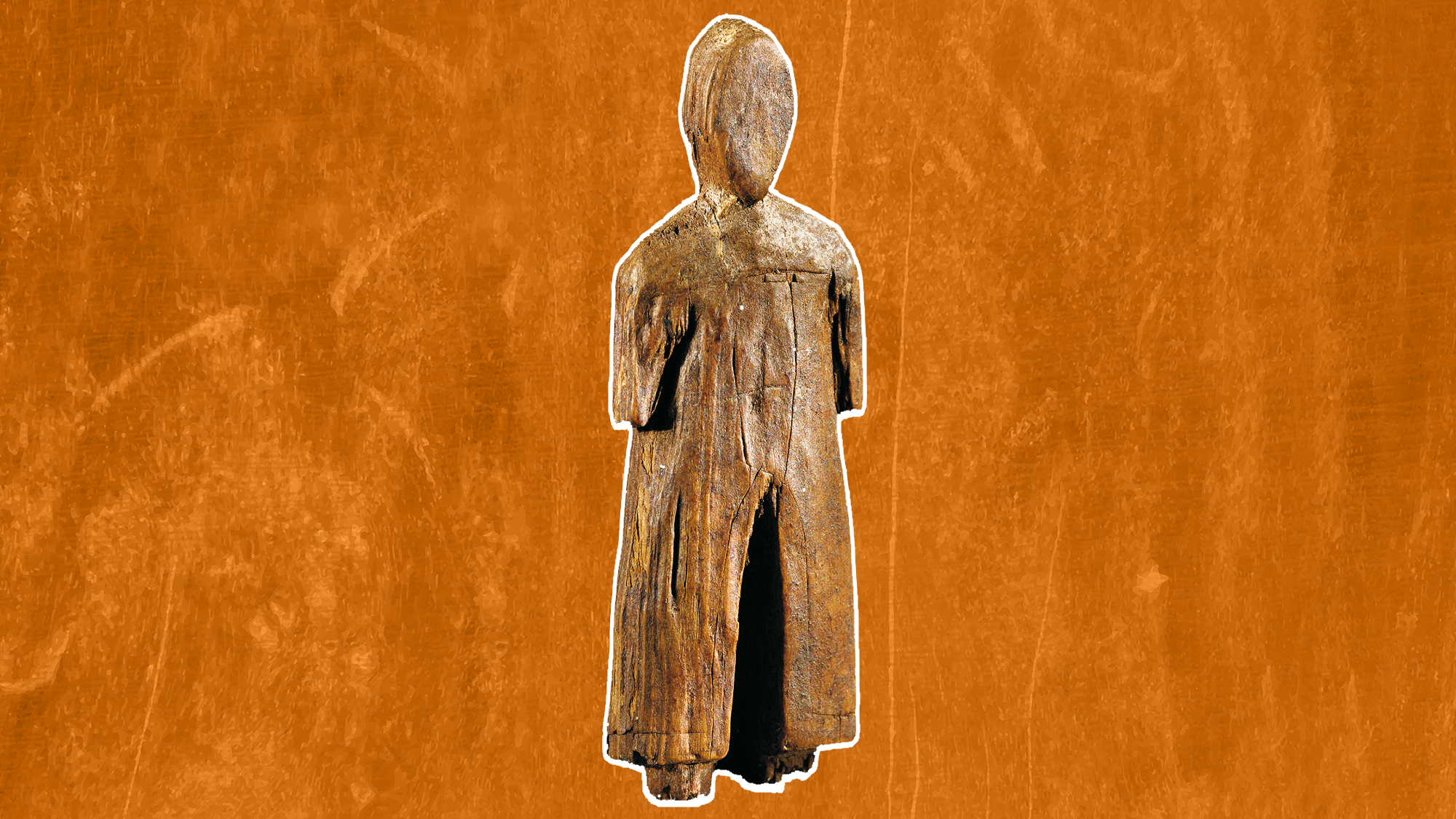
Inuit Carving of a Norseman
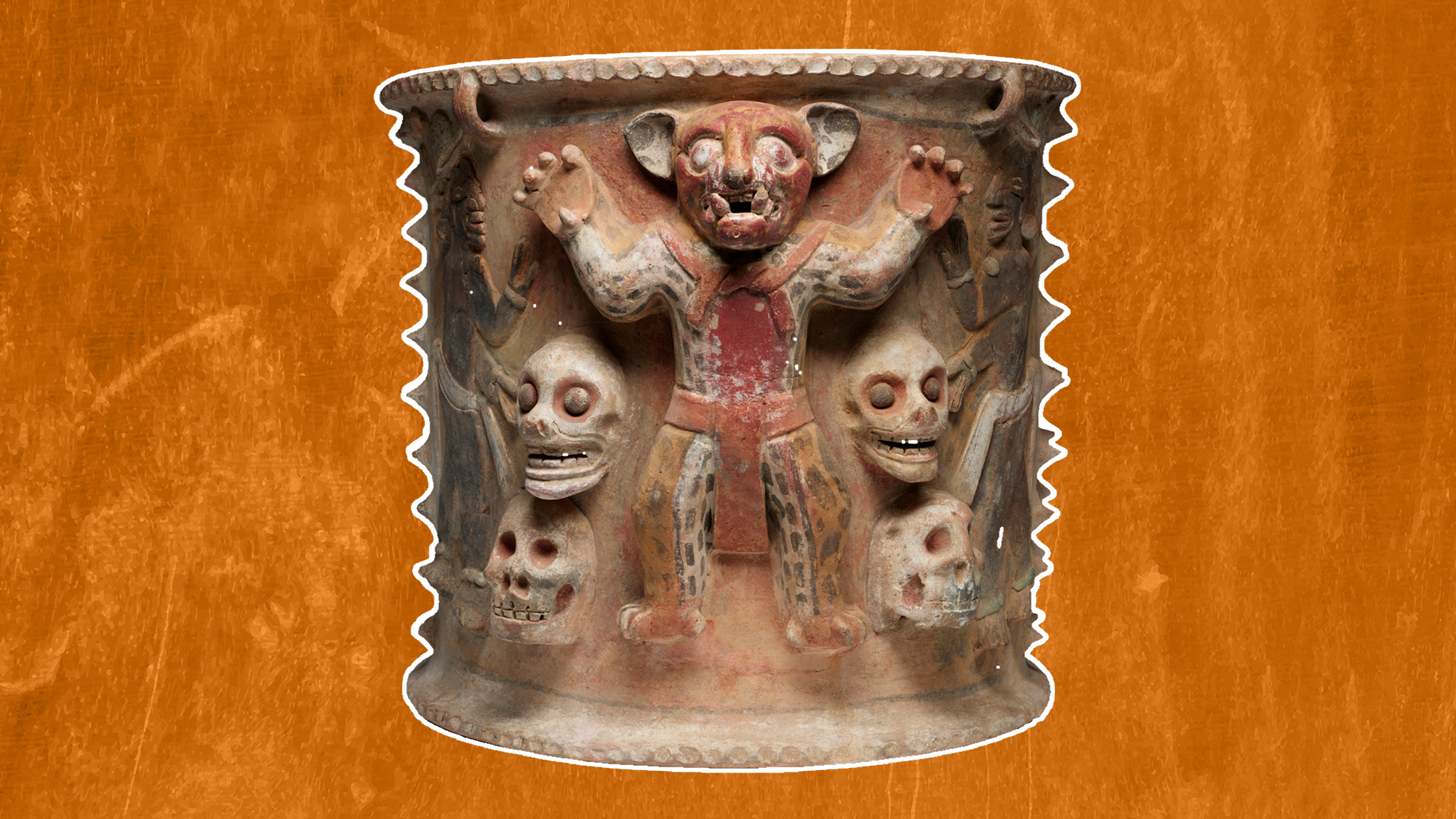
Maya Death Urn
Can you identify last week's Astonishing Artifact?


