A surge in moth sightings offers a rare sign of hope
Thousands of bogong moths gathering in Victoria’s Alpine region is more than a striking seasonal spectacle. The species has been in decline for decades, and its recovery could also help the critically endangered mountain pygmy possum, which depends on the moths for food. The sighting offers a vivid reminder that changes in one species can matter well beyond that species itself. Kale Munro saw the scale of the migration firsthand on Mount Wills, a 1,750-metre peak in Victoria’s High Country. Around dusk, a few moths gathered near him. As the light faded, the groups grew to hundreds, then thousands. “I started seeing handfuls and thinking, wow, what a cool thing to witness,” Munro said. By nightfall, he was surrounded. The next morning, he found granite crevices at the summit carpeted with moths settling in for summer. The shift from scattered sightings to a mass gathering made the migration’s scale tangible, even to someone encountering it for the first time.
Kale Munro filmed the bogong moth swarm while exploring the Victorian Alps near Omeo. (ABC News: Philippe Perez)
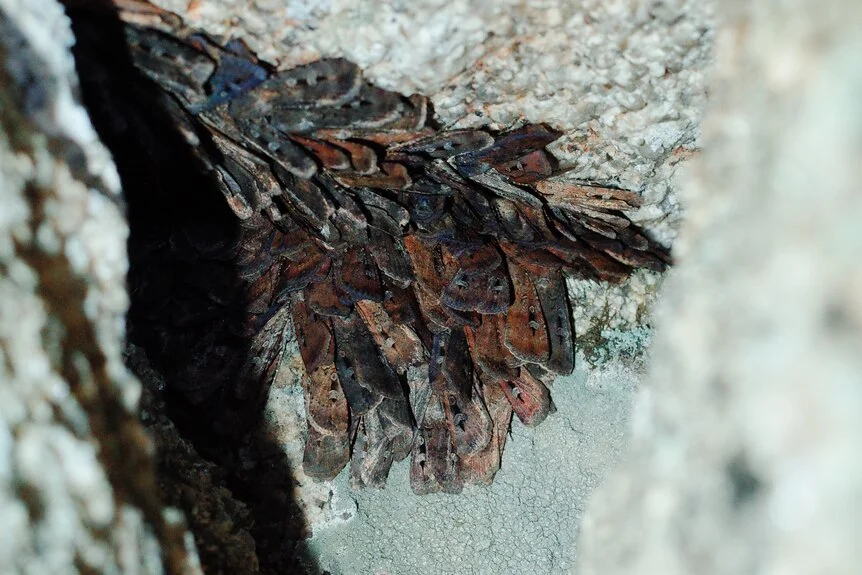
Bogong moths gather in rock crevices as they settle in for summer. (Supplied: Kale Munro)

Dr Marissa Parrott says bogong moths remain endangered despite the recent rise in numbers. (Supplied: Zoos Victoria)
The rebound is encouraging, but the causes remain unclear
Zoos Victoria’s Moth Tracker project, launched in 2019, has recorded more than 14,000 sightings this year. The previous high was around 2,000, Parrott said. Recent wet seasons may have helped moth numbers build, after severe droughts in 2017 and 2019 damaged lowland breeding and feeding grounds and left larvae without enough plant nutrients. The count is a substantial change in reported sightings, though it’s a measure of observations rather than a direct census of the entire population. That’s a hopeful shift, but it doesn’t settle the species’ prospects. Bogong moths remain endangered, with warming alpine habitat and renewed drought among the threats. Researchers also don’t yet know what draws the moths to particular locations, how they select caves, or why they gather in swirling groups known as maelstroms. Light, heat or access to water could be involved, Parrott said; moths have been observed drinking during these gatherings. The unanswered questions matter because understanding where moths congregate could help researchers interpret changing counts and identify sites for further study. A striking season, then, is evidence of a change in sightings, not proof that the underlying pressures have gone away. This is more significant than it looks, but the distinction matters: a visible abundance can coexist with an endangered status and continued uncertainty about what caused the increase.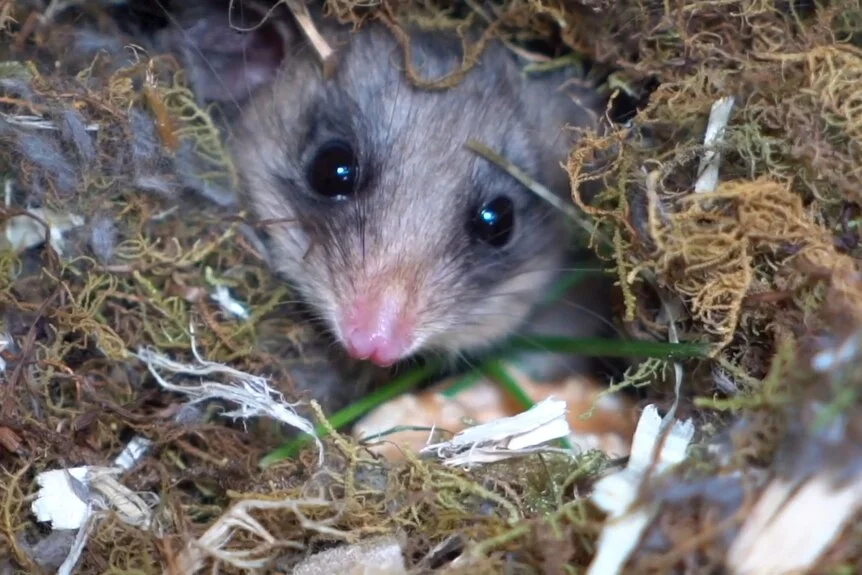
Researchers hope the plentiful moths will feed mountain pygmy possums in the Victorian Alps. (Supplied: Zoos Victoria)
Public sightings are filling gaps in the research
Munro’s video from Mount Wills reached Connor Marsland, a Western Sydney University PhD student who has studied bogong moth migration since 2024. He uses public reports from iNaturalist and Zoos Victoria’s Moth Tracker to identify moth caves and investigate aestivation—the moths’ summer dormancy. Reports can point researchers towards places where moths gather, while also recording activity that might be missed by teams working in the field.
Connor Marsland says the volume of bogong moth reports this year has excited researchers. (ABC News: Monish Rand)


