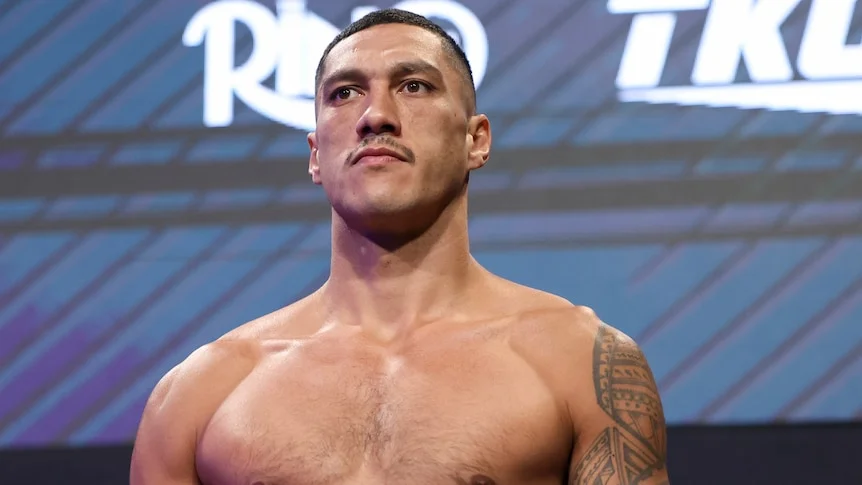
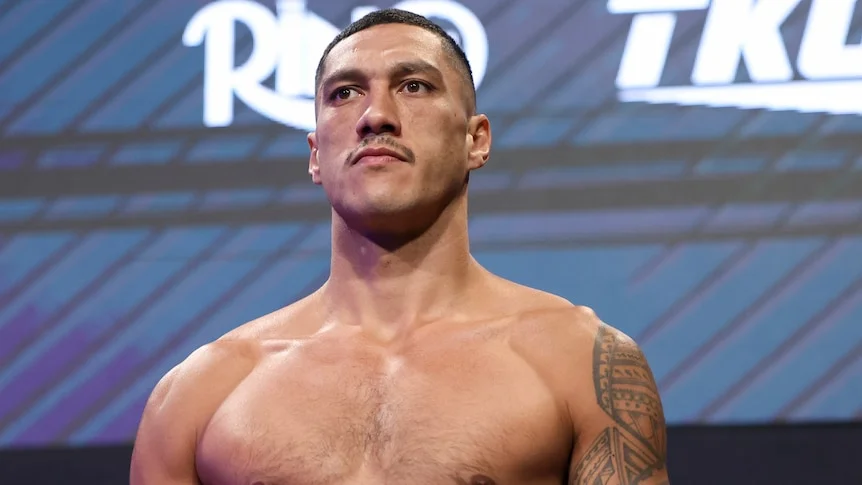
Jai Opetaia is taking the biggest fight, and maybe the biggest risk, of his career in Cardiff. (AP: Ian Maule)
A heavyweight test with real stakes
Jai Opetaia’s move to heavyweight puts his unbeaten record against one of boxing’s most feared punchers. The Australian cruiserweight champion will meet former world champion Deontay Wilder on December 11 in Cardiff, on the undercard of Tyson Fury’s bout with Anthony Joshua. For Opetaia, the attraction is clear: a high-profile opponent and a rare chance to test himself beyond the division where he has built his standing. The danger is just as clear. A larger ring, heavier punches and the prospect of one decisive shot make this more than a routine change of opponent.
Opetaia, 31, has won all 31 of his professional fights and is regarded as one of the sport’s leading pound-for-pound boxers. The Gold Coast southpaw has never fought above the 200-pound cruiserweight limit. Wilder, 41, brings a very different kind of test: he held the WBC heavyweight title from 2015 to 2020 and remains known for his exceptional punching power. The records tell only part of the story; the physical difference between the divisions is central to the matchup, and there’s no easy way to measure how Opetaia will respond until the fighters are in the ring.
A high-risk step up
Opetaia’s promoter, Dana White, called the matchup dangerous given the Australian’s standing at cruiserweight. “But he’s a fighter; he’ll fight anybody, even at heavyweight with a guy who hits as hard as Wilder does,” White said. The praise also carries a practical warning. Opetaia’s willingness to take the bout may build his reputation, but the decision asks him to accept a physical challenge that skill alone can’t erase.
Wilder is the most prominent opponent Opetaia has faced, though his recent form adds another dimension to the fight. He has lost four of his past seven contests. In April, he edged British contender Derek Chisora on points in London, taking his record to 45 wins, four losses and one draw. That recent run makes Wilder’s current level harder to judge than his former championship status might suggest, while the Chisora result shows he remains capable of getting through a demanding contest.
That record leaves room to question how much of Wilder’s former dominance remains. It doesn’t remove the danger: Opetaia will be moving into a heavier division against a fighter whose power can change a bout with one punch. The numbers here are underwhelming for Wilder, but they don’t make him a safe opponent. In boxing, a fighter can lose rounds and still finish the night with a single clean connection. This is more significant than it looks.
Opetaia’s cruiserweight plans
The heavyweight appearance looks likely to be a brief detour. Opetaia’s main target remains a fight with unbeaten American David Benavidez, another leading force at cruiserweight. After stopping Noel Mikaelian in the ninth round in Nevada in September, Opetaia called out Benavidez at ringside: “Respectfully, let’s get it on.” That callout points to the division where Opetaia’s future ambitions are clearest. A bout with Wilder may widen his profile, but it doesn’t settle the question of who stands between him and the cruiserweight matchup he wants.
“That’s the fight Jai really wants, so we’ve got to figure that one out,” White said. He added that Opetaia wants to stay active and is willing to fight at heavyweight or elsewhere. Staying active can keep a fighter sharp and visible, but each move between divisions also raises questions about preparation and priorities. If you’re following Opetaia’s career, the Wilder result will matter partly for what it says about his heavyweight ceiling and partly for whether it helps or complicates the route back to Benavidez.
What the fight could mean
For now, the Wilder bout offers a test of how Opetaia’s skill and speed translate against a naturally heavier opponent. The fight will be streamed live on Netflix on Friday, December 11, local time, as part of a Cardiff card topped by Fury-Joshua. The scale of the event gives Opetaia a major stage; the matchup gives him a risk that could reshape his plans at cruiserweight. The platform and undercard setting put his name before a broad audience, though visibility is only useful if the performance supports the attention.
Here’s the thing: the result won’t answer every question about Opetaia’s long-term place in boxing. A strong showing could demonstrate that his movement and timing carry up in weight; a difficult night could expose the costs of facing a heavyweight puncher before he has established himself in the division. And yet, the bout’s appeal rests precisely on that uncertainty. One night against Wilder may sharpen the case for a return to cruiserweight—or force Opetaia and his team to reassess how quickly they want to pursue it. A risk, plainly.


