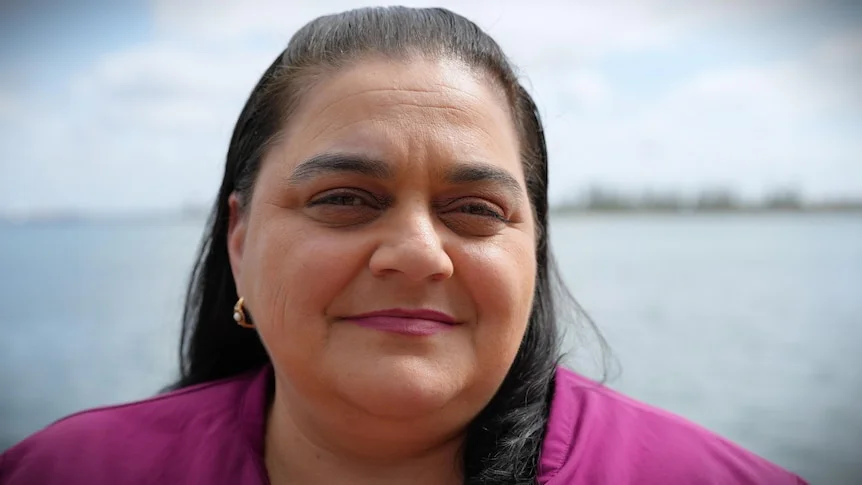
A stable adult changed the course of Rose Taylor’s life
At 43, Rose Taylor is trying to give other children the kind of steady support that changed her future. Her experience makes the shrinking pool of foster carers more than a set of national figures: it shows what those figures can mean in the life of one child. The difference, in her account, came from adults who kept showing up when she’d come to expect people to leave.
Taylor says she sometimes wonders whether she’d still be alive if a teacher hadn’t become her foster carer. As a teenager, she moved through five foster placements, two refuges and a semi-independent living program. She was homeless before she found a stable home, and that history gives her work helping recruit foster carers a personal stake.
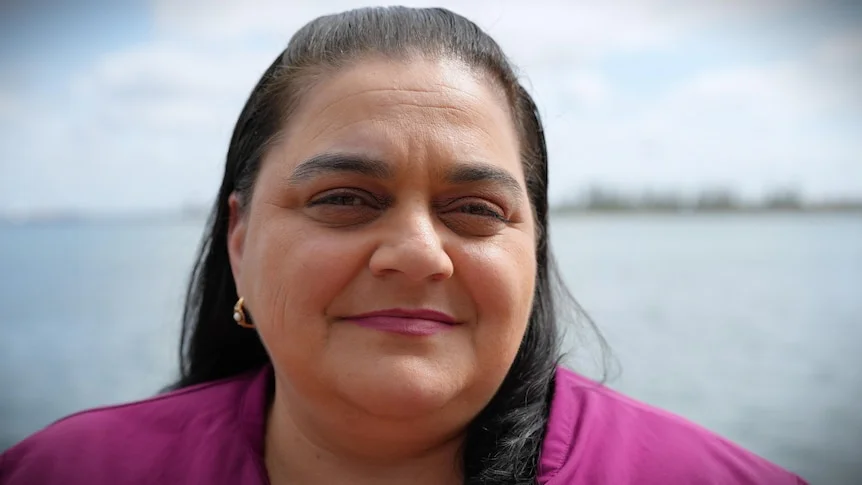
A frightened teenager, out of options
Taylor was 12 when foster care case managers removed her from school and told her she wasn’t safe at home. She says she was terrified, a response that’s easy to understand even without knowing the details of what had happened before. Being moved into care may address an immediate safety concern, but it can also leave a child facing a sudden break from familiar people and places.
By almost 16, after placement after placement broke down, Taylor felt unwanted and decided she was better off on her own. “If I couldn’t have my family, I wanted nobody,” she said. She tried to appear hardened, but remembers sleeping rough in Parramatta and Liverpool as the most frightening period of her life.
That gap between how a young person acts and what they’re experiencing matters. Anger can be read as defiance, especially when a child has moved repeatedly and trust has become difficult. Taylor’s account suggests that the behaviour others saw didn’t tell the whole story; she was scared and needed someone to ask what was wrong.

The teacher who kept asking
School was a refuge of sorts. Taylor kept attending even while homeless, finding somewhere to sleep and hanging her uniform over a park bench overnight. Keeping that routine offered a connection to school at a time when her housing and care arrangements had become unstable.
A teacher noticed that Taylor’s anger was masking a need for help. When Taylor stormed out of class, the teacher would find her and ask what was happening and whether she was okay. Taylor says nobody else had asked those questions. The teacher later enlisted a colleague, and the two cared for her together.
The questions sound simple. Their effect wasn’t. For a teenager who felt unwanted, being noticed and asked directly about her wellbeing could begin to challenge the belief that she had to manage alone (and this is the part most people overlook). The teacher’s persistence also turned concern into practical support: the two colleagues took responsibility for caring for her.
Their support didn’t make everything better overnight. But Taylor says they met her with care and patience while she worked things out. After more than a year in a stable home, she began to imagine a future, finished school and took on the prospect of completing the HSC.
Not a quick fix.
That progress matters because stability isn’t the same as an instant resolution. Taylor’s story describes time, patience and a dependable home as part of what helped her think beyond the immediate crisis. It doesn’t promise that the same path will work for every child, but it does show why a lasting relationship can matter alongside the formal placement itself.
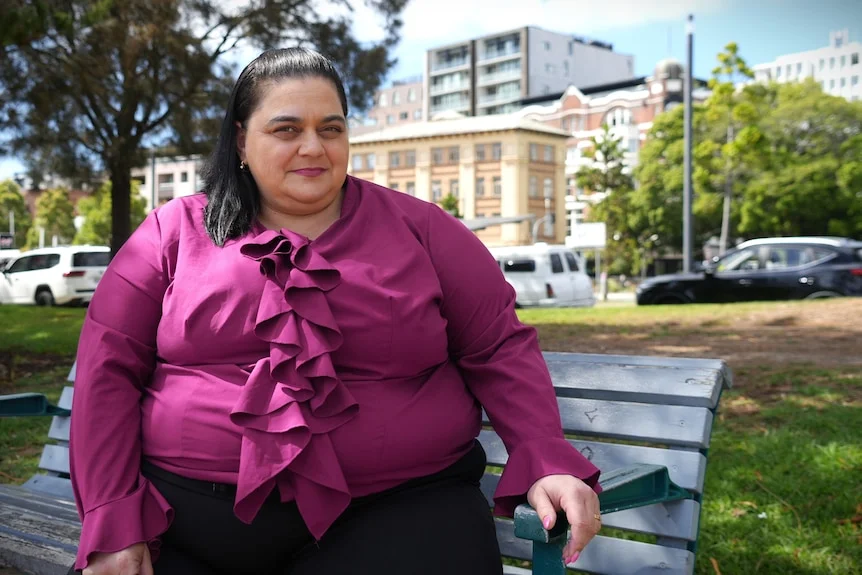

Fewer foster households, many children needing care
The figures point to a widening gap. Australian Institute of Health and Welfare data shows about 9,000 foster care households in Australia on June 30, 2021. By June 2025, the count had fallen to about 5,900. Life Without Barriers says around 45,000 children across the country need care.
Those figures describe the scale of the challenge, but they don’t explain every child’s circumstances or show how many households are needed in each community. A national count can also conceal the practical demands of fostering: a household has to be willing and able to care for a child, and the match needs to work for both. The reported decline is stark; the figures alone can’t identify all the reasons behind it.
Deanne Carroll, the organisation’s New South Wales youth and family services director, says cost-of-living pressures have helped make fostering unaffordable for some people. She also points to broader social changes since COVID, though the data cited here doesn’t establish how much each factor has contributed. That distinction matters: the pressures she identifies offer possible explanations, while the figures show the change in household numbers.
Taylor has spent the past decade as an operations manager at Life Without Barriers in Newcastle, helping find people suited to foster care. She says the shortage is why she’s speaking publicly about her own childhood. Her experience gives her a direct way to explain what a stable home meant to her, while her work places that experience alongside the task of recruiting carers.
What a shortage means for children and carers
This is more significant than it looks: the number of households isn’t an abstract measure when children need somewhere safe to live. A shortage can narrow the options available to people arranging care, while repeated moves can make it harder for a child to feel settled. Taylor’s story can’t establish how often that happens, but it shows why the quality and continuity of a placement deserve attention alongside the national count.
If you’re considering fostering, Taylor’s story makes a straightforward case for the difference a reliable adult can make. It also points to the demands behind that role: care takes patience, and progress may come gradually rather than in a clear turning point. For prospective carers, that’s a more useful picture than a simple appeal to good intentions.
Taylor says children in care will become the next generation of adults and leaders, and that more people can play a part in supporting them. That’s an argument for treating foster care as a lasting responsibility, not just an urgent response to a shortage. And yet, her account leaves a practical question for the organisations seeking carers: how can they help people understand both the commitment and the value of staying present?
Piper Duffy · ABC Newcastle · Family

