

Bendigo Health has referred two deaths to the Victorian coroner. The reason is a review of its intensive care unit, which found that procedures for determining brain death weren't always followed. That's a sobering finding for any hospital, and it's worth looking at closely, because the hospital's own leadership has not tried to play it down.
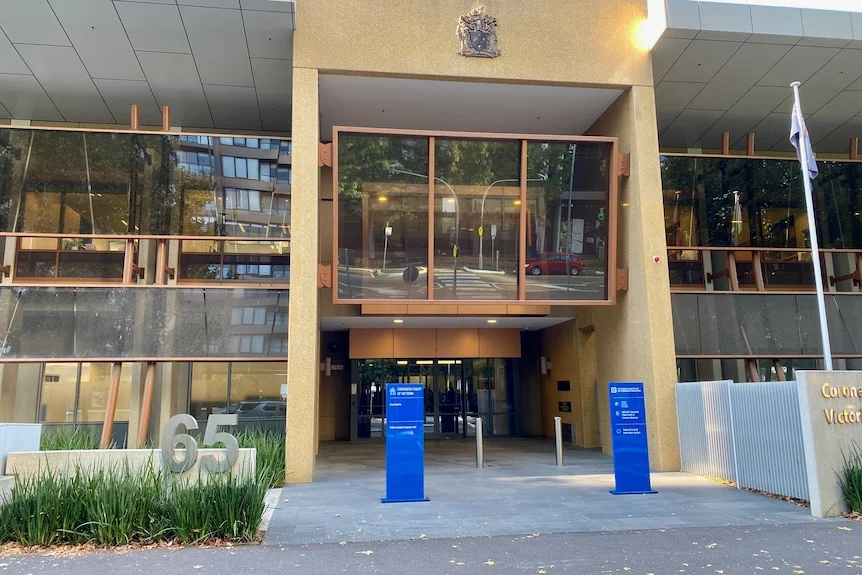
Independent intensive care specialists examined cases in which 11 patients were determined brain dead between June 2021 and June 2025. They found that the Australian and New Zealand Intensive Care Society guidelines hadn't been followed. Some of the problems were administrative. Four cases, though, raised serious concerns, and two of those are now with the Coroner's Court of Victoria.
Of the 22 cases the investigators identified, a "small number" involved organ donation. The review doesn't give a precise count, and that's a gap worth noticing. If you're tracking how donation pathways hold up under scrutiny, you'll want that number, and it isn't here.
The hospital paused organ donation at Bendigo while it rewrote policies and procedures, added training and supervision, and changed its approval processes.
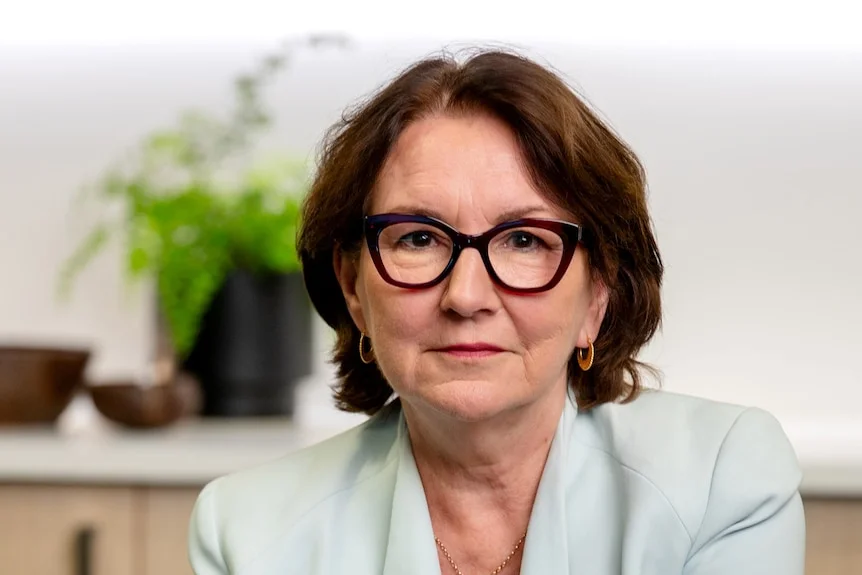
Chief Executive Officer Eileen Hannagan said the investigators didn't believe patient outcomes were affected. She was quick to add, though, that serious concerns had been raised. "We've acknowledged with the families that what we did didn't meet the guidelines," she said.
A family that felt hurried
The first warning sign came in mid-2025. Ms Hannagan was told that a family member felt rushed during the death of a loved one. Around the same time, several staff raised concerns during a routine review of a patient's death.
The hospital says it moved quickly. Ms Hannagan said it "acted immediately", bringing in two senior interstate intensive care specialists who reviewed 11 cases. Their recommendation was a four-year review of every death at the hospital involving the determination and certification of brain death.
Bendigo Health also notified Safer Care Victoria and commissioned a broader review from two more independent intensive care specialists. That team went through four years of patient files for everyone who had undergone brain death testing. Their finding: 11 cases where the "process didn't follow the Australian New Zealand guidelines", and where "procedures for the determination of brain death were not always followed."
Organ donation and the timing problem
Ms Hannagan described the 11 cases as a mix. Some involved minor administrative errors. Others raised "major concerns around the environment where that testing is appropriate, including timelines to decision making." Those two categories are very different, and the difference matters for how much weight the findings should carry.
"There are very defined processes for brain death," she said. "They're not laws, they're recommended guidelines … and Bendigo Health's position on that is the guidelines are there for a reason so families can have confidence that decision making is based on best practice."

The guidelines set timelines for certain steps, partly to make sure the diagnosis is accurate and partly "to allow families time." Those timelines are the part that got missed.
The guidelines are extensive, and they cover much more than timing. One point stands out. They make it "quite clear that the discussion with the family around futility of care should never happen at the same time as organ donation unless the family asks that question." Ms Hannagan's answer to that was blunt: "They should be really separated, separate conversations."
She acknowledged that the timelines weren't followed. "In talking to [a family] they felt hurried," she said. The family, she added, was clear that the outcome didn't change. "They had the discussions and they knew organ donation was wanted. The thought other families benefited has helped them deal with the process and they appreciated our honesty and transparency."
"But they did feel hurried, pressured … which is unacceptable."
There's also a separate set of tests that must be performed and signed off independently. Ms Hannagan was emphatic on this point. "It's very clear it has to be an independent process … you can't supervise each other doing it or watch another person do it and then both sign it off," she said.
That independence didn't always happen. In at least one case, the independent process was skipped. In another, a family was told their loved one "could have been brain dead" before imaging had been done, even though other testing was already complete. Ms Hannagan said that statement "shouldn't have been said on the basis of a test not being fully complete." Her verdict on the handling as a whole: "It wasn't to the standard any of our four reviewers felt it should be."
Staff counselled and regulators notified
Bendigo Health won't discuss individual staff. Ms Hannagan did say that "where appropriate, certain staff were counselled and where it wasn't appropriate it was reported."
The Australian Health Practitioner Regulation Agency, the Medical Board of Australia and Safer Care Victoria have all been notified.
There's a tension in how the hospital frames this. The investigators didn't believe patient outcomes would have been affected, and imaging confirmed that brain activity had ceased in each case. Yet Ms Hannagan conceded the approach did "affect how family felt about the procedure and the process." Clinically sound and humanly wrong can both be true here, and the hospital seems to accept that.
"There are families at the centre of this," she said. "We have spoken with them directly and they have been through an incredibly difficult time and have asked that their privacy is respected."
The coroner is expected to speak with affected family members this week. Ms Hannagan said the hospital is waiting to hear what the coroner's next steps will be.
What changed, and what the state says
Bendigo Health has updated its internal policies and procedures and added safeguards, including senior peer support and more training. Ms Hannagan framed the pause in organ donation as the first step: "Immediate action was to pause organ donation while we checked our processes."
The new checks, she argued, won't slow brain death determination or donation. "They will make sure every single step of the way is progressively audited by the next one down the chain," she said. Whether a layered audit holds up in practice will be the real test, and that's a question for the next review, not this one.
She also acknowledged the strain on the people involved. The investigation, she said, "been very difficult for our staff, who care deeply about their patients and about this community." She thanked staff who raised concerns: "Speaking up when something doesn't seem right is an important part of keeping patients safe."
The Victorian government called the claims disturbing. "Our thoughts are with everyone affected by them and they will be supported as they deal with the news," its statement read. It added that Bendigo Health had reported to AHPRA and referred the cases to the Coroner "where they'll be seriously examined." It also stressed that "organ donation saves lives," and that strong safeguards support donation across Victoria. "If there's more to do, we won't hesitate to act," the statement said.
Anyone with questions can call the dedicated Bendigo Health hotline on 03 5454 8040.


