
Why this story is escalating
Thomas Markle, the estranged father of the Duchess of Sussex, is accused of cutting off his electronic monitoring device just days after being arrested on child sexual abuse material charges. It's a sharp escalation in a case that has already pulled the Markle family back into the headlines. What started as a family rift is now a federal criminal matter, and the conditions a judge set for his release are at the center of the dispute. That's the shift that matters most here. (and this is the part most people overlook) Court-ordered monitoring is meant to let a defendant wait for proceedings outside jail, so an alleged tampering moves the question from what happened to whether the court can trust the arrangement at all.
US prosecutor Bill Essayli says the 82-year-old is now in custody, awaiting a hearing in federal court in Tampa, Florida. Essayli says Markle removed his ankle bracelet in the early hours of Tuesday, local time, and was arrested shortly afterward. These are prosecutors' claims, not findings, and nothing has been tested before a judge yet. Still, the speed of the second arrest tells you how seriously authorities are treating the alleged tampering.
How the timeline unfolded
The sequence moved fast. Markle was arrested on Friday, local time, after US authorities charged him with possessing child sexual abuse material. Prosecutors allege he had pictures of himself with prepubescent girls. Hours later, a judge released him on the condition that he wear an electronic monitor, which typically means an ankle tether. That condition is the one he's now accused of defeating.
Here's the thing: pretrial release with monitoring is a common arrangement for defendants a court considers lower risk, but the reasoning behind this decision isn't spelled out in what's been reported. A tether is only as useful as the system watching it. If the alert reaches the right people quickly, the device does its job. If it doesn't, the defendant is effectively on his own, and that's a gap the court will have to explain.
Investigators also say they seized about 78 items from storage in the Los Angeles area, including slides, film negatives and books containing suspected abuse images. Those items are the core of the case, and they're what I'd watch as the Tampa hearing approaches. Physical evidence like this tends to carry more weight than testimony in these matters, because it can be examined independently of anyone's account. That said, what's reported so far is the prosecution's description of the items, and the defense hasn't yet had its say in court.
How the case reached investigators
The trail began in the Philippines. According to a report from The Sun, the duchess's half-brother found a collection of child sexual abuse images while clearing out their father's home there. That discovery led investigators to two US storage units in California, which Markle had rented since 2008. The path from a house abroad to a storage unit in California is the kind of chain investigators need to build a case, and it's also the part that's easiest to get wrong in reporting. The sources here give us the route, not a complete account of who did what and when.
Markle had been living in the Philippines this year when he suffered a stroke and had his left leg amputated. That medical crisis forced him to return to the US. It's a grim sequence, and it's also why the monitoring question carries practical weight. A man with serious health needs living under a court order brings its own complications for supervision, for medical care and for whoever is responsible for keeping track of him. None of that resolves the criminal allegations, and nothing in the reporting suggests it's meant to.

Meghan's response
Meghan, who married Prince Harry at Windsor Castle in 2018, has said she was "deeply distressed" by the allegations about the images found at her father's former home. She also revealed that a letter containing "troubling allegations" about him had been sent to police in London in 2019. That's a detail with its own weight. It suggests the concerns weren't new to her, at least by her account, and that changes how the current allegations read. If you're following the case for what it says about the family, this is the sentence to hold onto.
She described what the letter contained and what followed in her own words. Her account of the letter is brief, and she doesn't say what police did in response. That's a gap worth watching, and it's one the reporting doesn't fill.
She framed her decision to keep her father away from her children as a matter of protection. "I hope it can now be understood that, despite certain media publications' distortion over the years, any distance from my father and my choice to not allow him to have contact with our children was for one reason: to protect them."
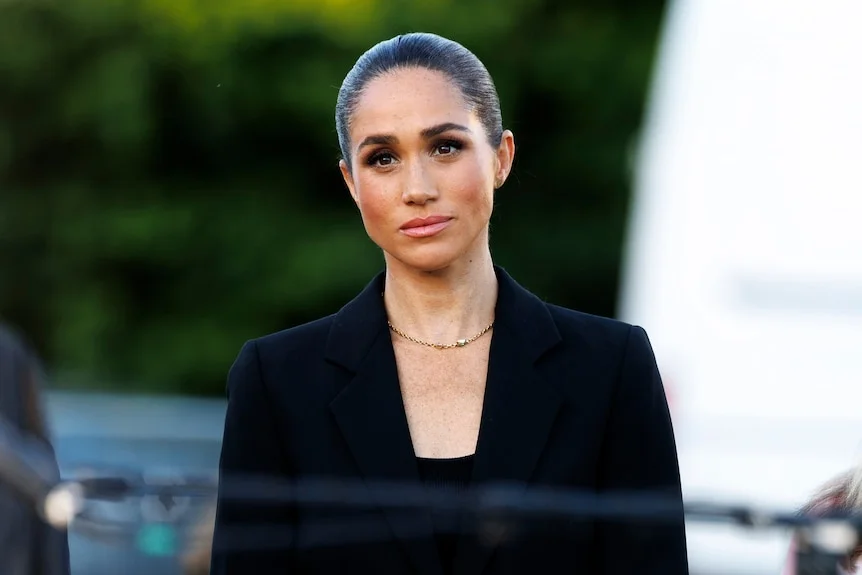
That's a pointed statement, and it reframes years of estrangement as a decision with a stated cause. Whether it shapes how the case is received will depend on what the Tampa court hears next. Public statements from family members tend to land differently once the evidence is in front of a judge, and I'd expect this one to be read through that lens.
What happens next, and why it matters beyond this case
The immediate question is the Tampa hearing. Courts generally weigh whether a defendant has violated release conditions when deciding what happens next, and an alleged tampering is a direct test of that. I'm not predicting an outcome, because the reporting doesn't support a forecast.
The case also tests something bigger: how well monitoring works as a substitute for detention when the defendant is elderly and medically fragile. Systems like this typically assume a device flags tampering quickly and that someone acts on the alert. That assumption only holds if the alert system works as designed, and nothing in the reporting says how fast this one reached authorities. If you're working in pretrial supervision or in the technology that supports it, this is the failure mode to map out before the next vendor pitch.
I'd argue this is more significant than it looks. The family dispute is the hook, but the underlying questions apply well beyond one defendant. What a monitor can actually guarantee, how quickly custody can be restored and what a court should do when a condition is allegedly broken are not new problems. They're just getting a high-profile test. Uncomfortable, but useful.
Most of the case is still unresolved. The allegations about the images, the 78 seized items and the discovery in the Philippines all have to be tested in court. Everything above is what prosecutors and reporting have said so far, and it deserves the same scrutiny you'd give any claim before a judge has ruled on it. Watch the Tampa court, not the family commentary.
AP


