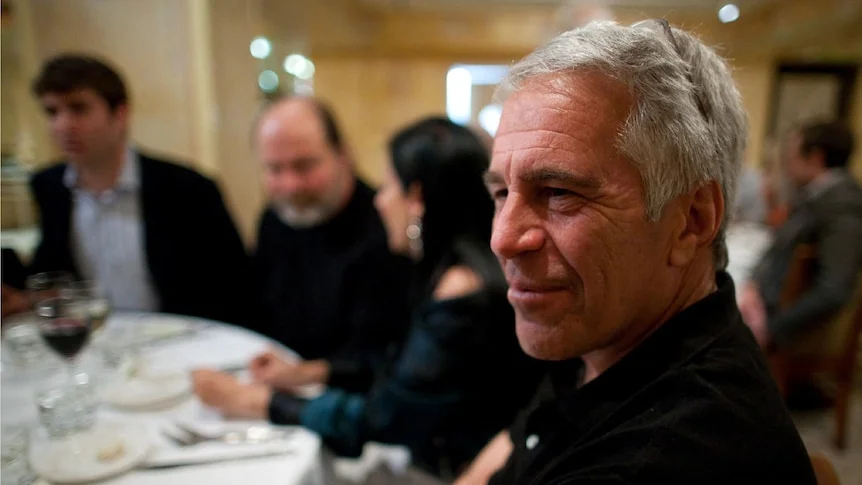
A Republican-led congressional committee has urged the Justice Department to reopen its scrutiny of Jeffrey Epstein's associates. The report is damning, and it doesn't limit its blame to the financier himself. It points at prosecutors, banks and the powerful people who kept him company.
The Epstein saga has dogged US President Donald Trump for years. The two were friends for a long stretch, and Trump has denied any knowledge of Epstein's crimes. Accusations that he helped cover up much of the original investigation triggered the first major rift with his support base since he returned to the White House. That rift is why this report will get read as more than a routine oversight document.
Who the committee wants questioned next
The House Oversight Committee wants the Justice Department to interview or reinterview key witnesses and to pursue allegations against two prominent men who spent time with the disgraced financier. Former Miami Beach mayor Philip Levine and French celebrity hairstylist Frederic Fekkai both deny allegations of sexual assault made by Epstein's long-time assistant Sarah Kellen. The committee referred those claims to federal prosecutors in June.
The panel also wants more questions for another long-time assistant, Lesley Groff, about what she may have known. Groff says she never suspected Epstein of sexually abusing women and girls. The Republican investigators didn't find that testimony credible.
The recommendations came out of a 15-month congressional investigation. It drew on testimony from figures in Epstein's financial and social circles, along with a close look at government and banking records. That's a lot of paper, and it's the reason the committee feels confident enough to name names.
Where the system broke down
The committee's central argument is that Epstein's crimes after 2005 could have been prevented. Federal investigators and prosecutors, it says, could have pursued the original allegations against him far more aggressively.
Instead, prosecutors in Florida struck a controversial deal in 2007. Epstein avoided federal charges and pleaded guilty to lesser state offences. He received an 18-month jail sentence but served only 13 months, and the report says he enjoyed extensive work-release privileges during that time. According to the committee, he kept abusing women while he was supposed to be serving that sentence.
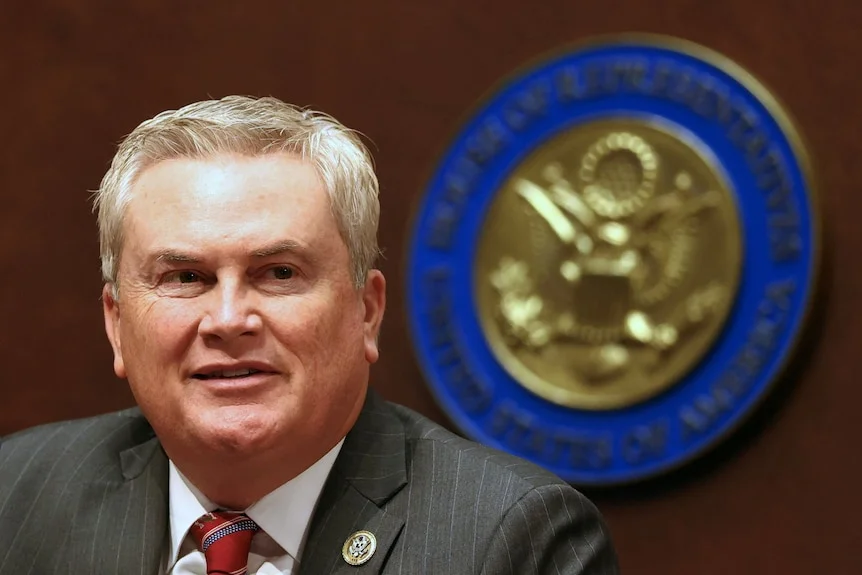
"Epstein operated with impunity, shielded and enabled by powerful connections and a justice system that repeatedly failed his victims," committee chairman James Comer said. It's a sharp line, and it frames the report as a story about institutions as much as individuals.
The money trail and the survivors
The banks come in for their own criticism. The investigation accuses financial institutions of overlooking suspicious transactions and warning signs of human trafficking, and it singles out American Express. Lawmakers have asked the Treasury Department to examine whether banks were properly reporting suspicious activity tied to trafficking and money laundering. That request matters because it moves the question from one man's behaviour to a whole reporting system that, on this account, didn't flag what it should have.
The report also turns on the Justice Department itself. It criticises the department for exposing survivors' private information during its releases of Epstein files. For people who were abused, that's a second harm, and the committee treats it as one.
A split over what the findings mean
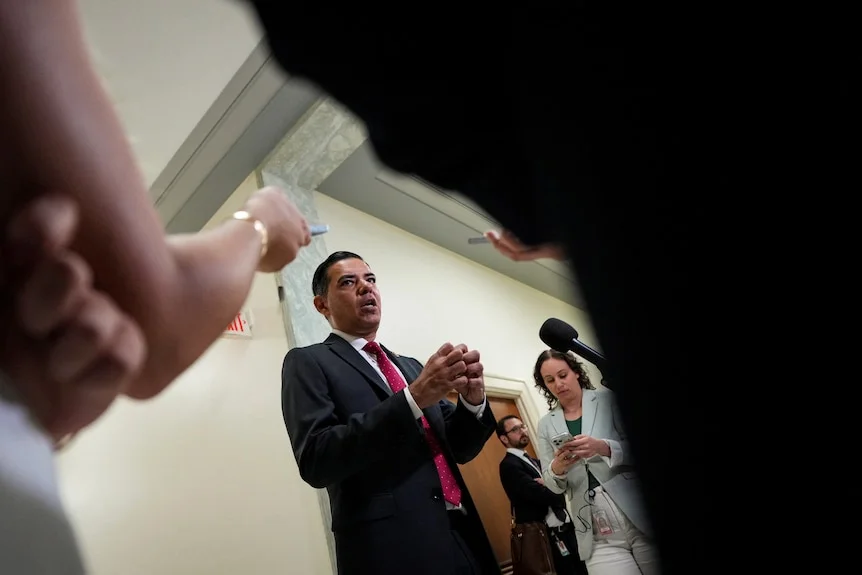
The Republican investigators say they found no evidence implicating Trump in Epstein's crimes. They also accuse Democrats of politicising the inquiry. The committee's top Democrat, Robert Garcia, sees it differently. He dismisses the findings as the product of an incomplete investigation that held no public hearings. He also accuses the Justice Department of illegally withholding "over 2.5 million pages of documents."
Here's the thing: both sides are describing the same record and reaching opposite conclusions about what it shows. Democrats took control of Congress after last week's midterms, and they've promised to keep digging into Epstein's network once they take their new powers in January. That's when the fight over those 2.5 million pages gets real, and when the Justice Department will have to answer for what it has and hasn't released.
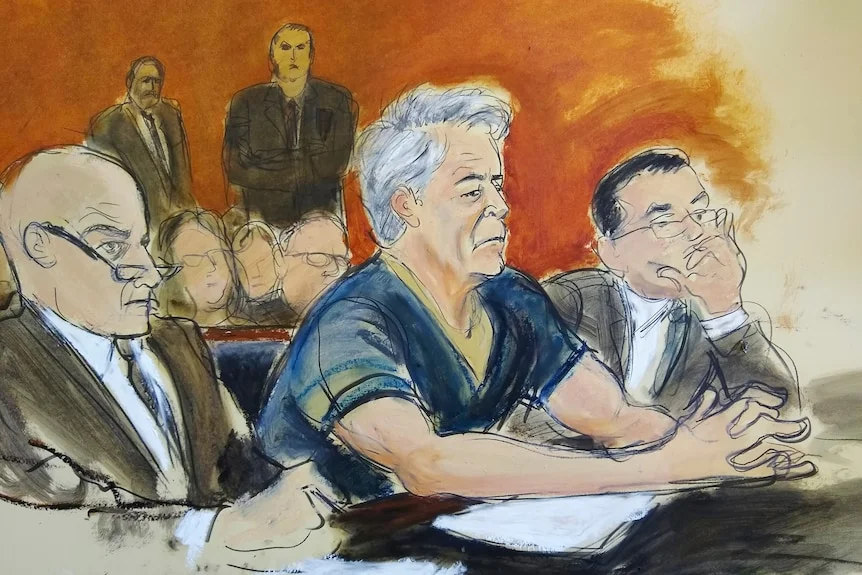
Epstein died in a New York jail in 2019 while awaiting trial on federal sex trafficking charges. His accomplice Ghislaine Maxwell is serving a 20-year prison sentence. Neither of them can answer questions now, which is why the people still around them are back under the microscope.


