
A phone camera at the beach
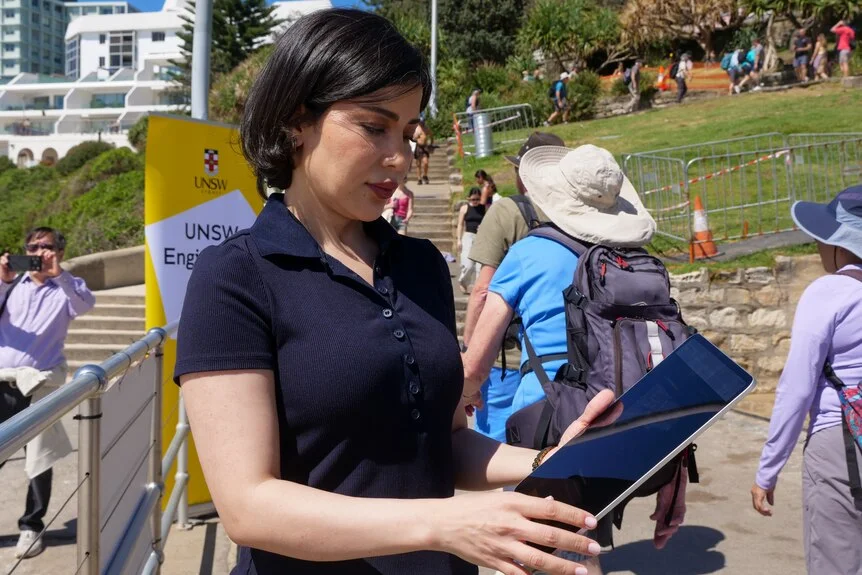
Rip currents cause more beach drownings in Australia than any other coastal hazard, and that's a sobering starting point for any new safety tool. Surf lifesavers in New South Wales are about to test whether a phone camera can help close the gap. This summer, some NSW beaches will trial RipEye, a rip-detecting AI tool built by researchers at the University of New South Wales. The idea is simple. RipEye was trained on thousands of beach photos annotated by an expert team, and it flags where a rip is likely to be. A beachgoer photographs the surf, and the app marks the suspicious spots. The researchers say it identifies a rip correctly about 80 per cent of the time.
Why rips, and why now
The numbers explain the urgency. Of the 66 beach drowning deaths recorded between July 2025 and July 2026, almost half were partly due to rip currents, according to Surf Life Saving Australia's most recent National Drowning Report. That "partly" matters. Drownings rarely have a single cause, and a hazard that contributes to nearly half the deaths is a hazard that shows up in the middle of many different stories. Rips are hard to read even for people who spend time in the water, and that's the problem RipEye is aimed at.
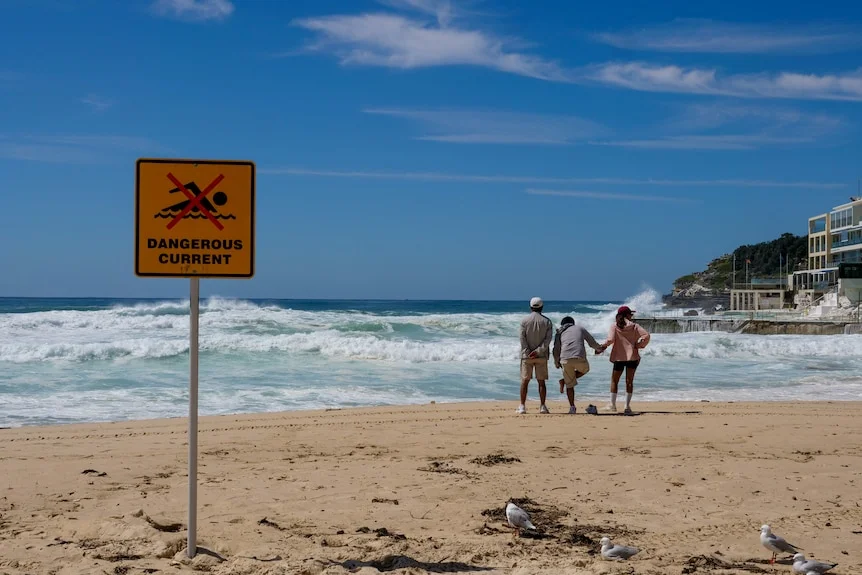
SLSA's own research shows the gap. Dr Jaz Lawes, the organisation's national research manager, said about one in two Australians feel confident they can spot a rip. Only one in seven can do it successfully. That's a confidence problem as much as a knowledge problem. People who feel sure of themselves tend to go in, and the ones who misjudge a rip usually don't realise they've misjudged it until they're already being pulled away from shore. Lawes, an expert in coastal science, put it bluntly: rips are notoriously difficult to identify, and they're hard to teach.
How the tool works
Mandana Ghanavati, the senior researcher and AI expert on the project, framed it as an awareness tool first. "We are hopeful that this technology can help people to spot the rip and raise their own awareness about how to spot the rip and hopefully make a safer decision for swimming," she said. Here's the thing: the goal isn't a verdict from an app. It's a habit of looking at the water before stepping into it. If the app gets people to slow down and compare what they see on screen with what's actually in front of them, it has done its job, even if it's occasionally wrong.
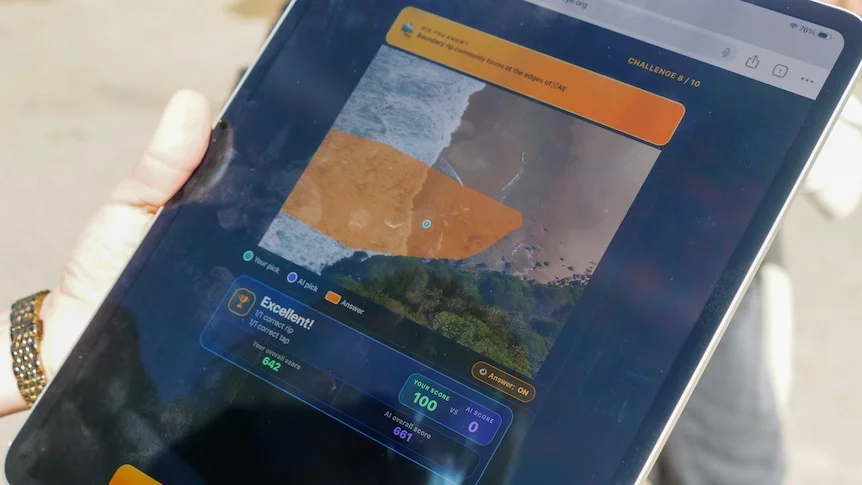
The app also includes a game mode. Users study sample beach photos and mark where they think rips are, and their answers are compared with the AI's answers for the same images. It turns a quick guess into a lesson. That's the design choice I find most interesting, because it treats the app as a teacher rather than a lookout. Ghanavati said RipEye works in 11 languages and was designed with higher-risk groups in mind, including young men, culturally and linguistically diverse communities, and international visitors. (And this is the part most people overlook: those are the groups that often have the least local knowledge of how a particular beach behaves.)
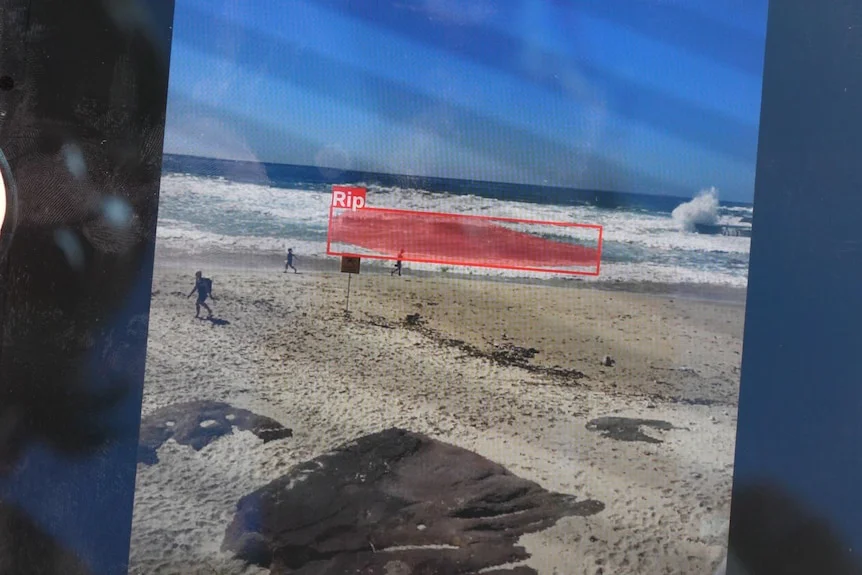
Eighty per cent sounds strong until you think about what the other 20 per cent means on a crowded beach. A missed rip is the failure mode that matters most, and the researchers' figure doesn't tell us how often that happens compared with false alarms. I'd want to see those numbers broken down before treating the tool as a dependable signal. Until then, it's best read as a prompt to look harder, not a green light.
What comes next
SLSA hasn't settled on which surf clubs will take part. Lawes said the organisation wants to understand how the tool fits into patrol work, and it sees value in training lifesavers as well as teaching the public. The trial could also reach regional inland communities through Surf Life Saving NSW's Beach to Bush program. That's a telling detail, since inland residents often visit the coast without much exposure to surf conditions.
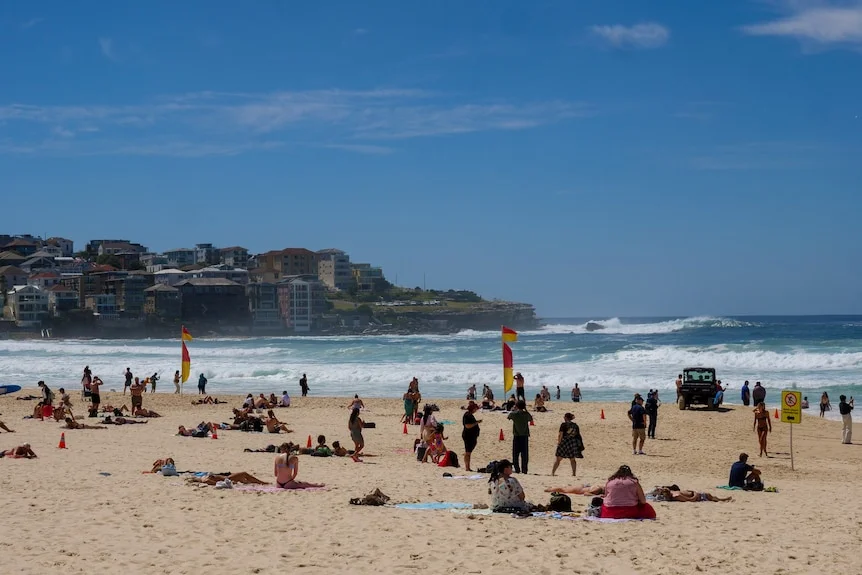
The trial follows SLSA's recent test of AI camera technology at rock fishing spots at Little Bay and Kiama on the state's South Coast, which was designed to help prevent accidents. Rock fishing and surf swimming carry different risks, but both involve people making quick judgements about moving water. Together, the two projects show the sector is willing to test software alongside traditional patrols. That's a shift worth noticing, even if the results so far are still early.
What this means for the sector
The bigger question isn't whether RipEye works in a lab-style test. It's whether a tool like this changes behaviour on a busy Saturday when people are tired, distracted, and keen to get in the water. Similar safety systems in other settings have often struggled with that gap between accuracy on paper and impact in the field. The most useful outcome here might not be the AI's score at all. It might be whether people who use the game mode start looking at the surf differently afterwards.
If you're working in lifesaving, coastal management, or beach safety, the lesson is practical. A tool like this is only as good as the training and patrol practices around it, and lifeguards will want to know exactly where it fails. What this means for you is a simple checklist: ask how often it misses a rip, ask how the results are shared with patrols, and ask whether the public is being taught to think for themselves. Here's my take: the trial is worth watching, but the real measure of success will be fewer people caught in rips, not more people with an app on their phone.


